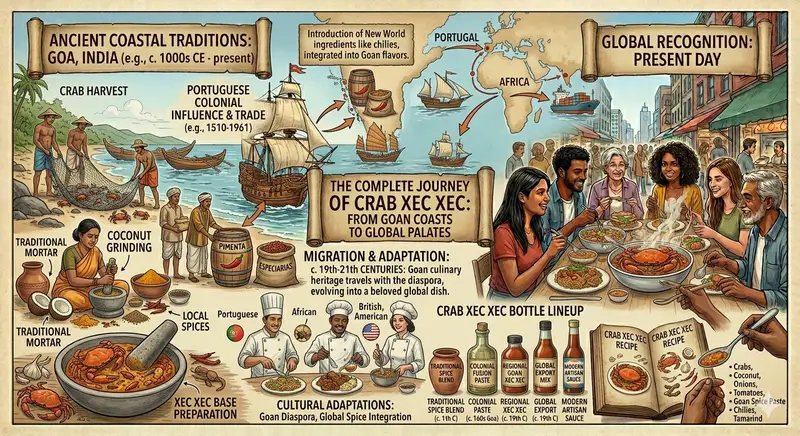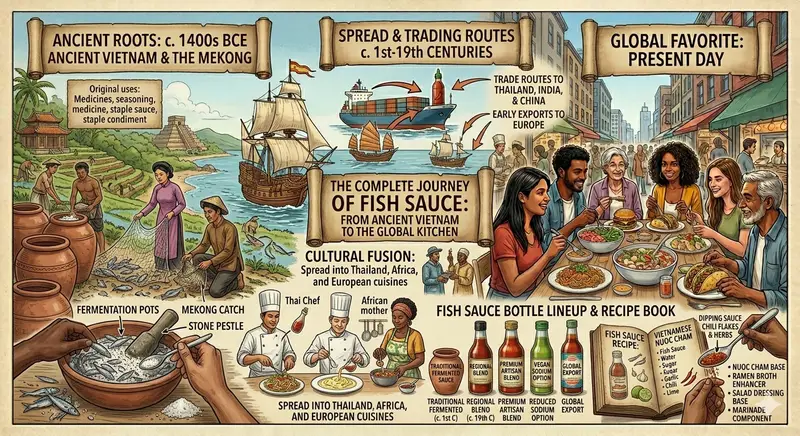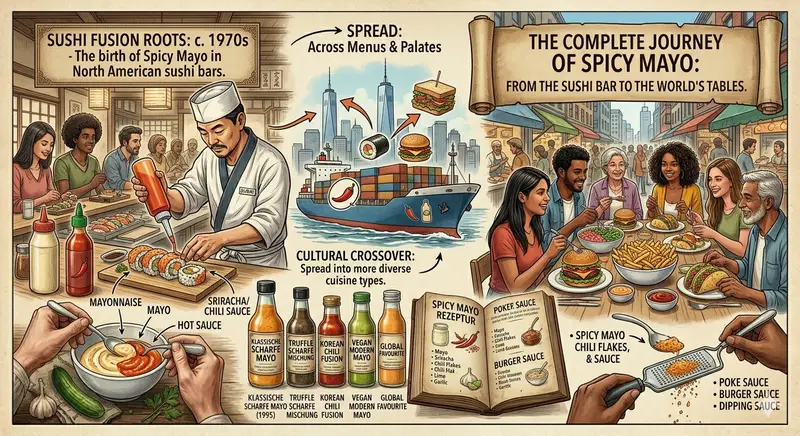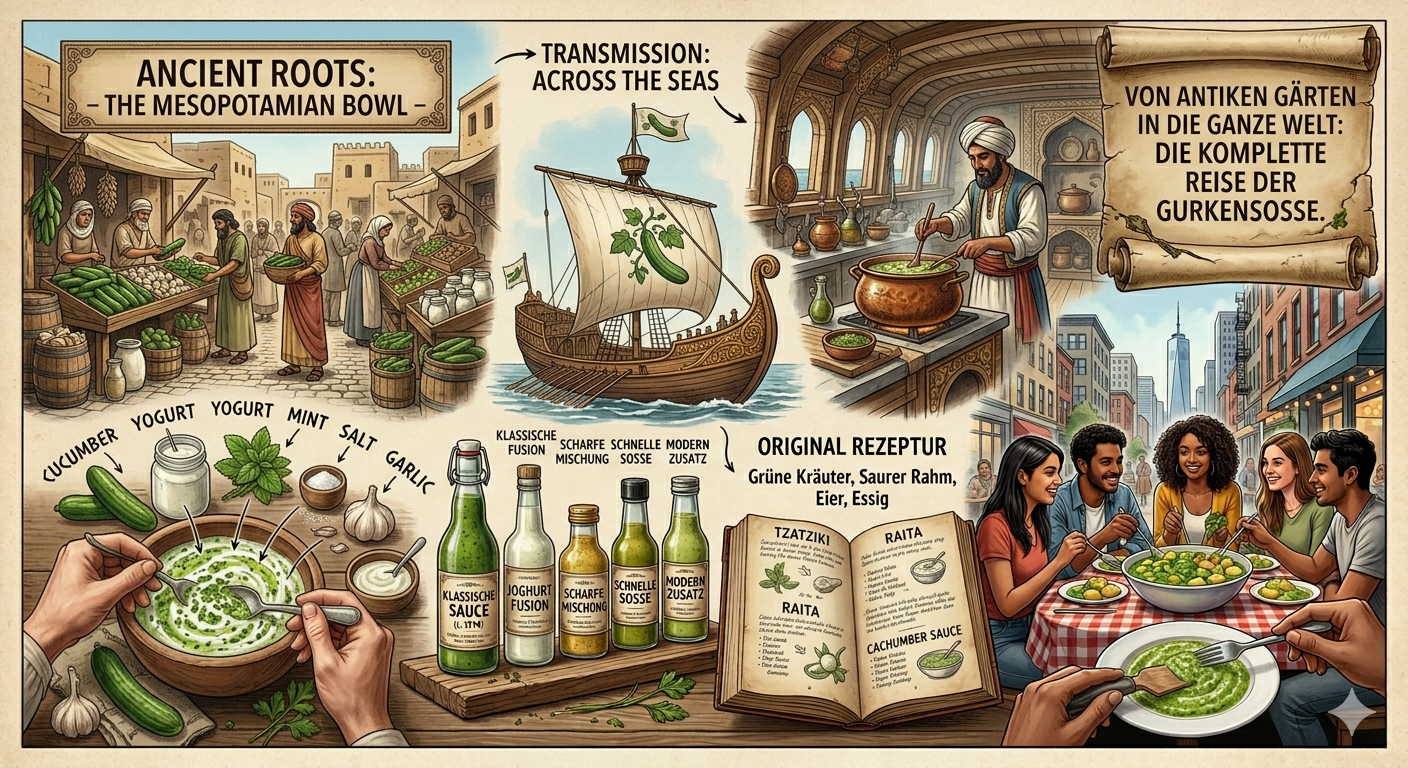
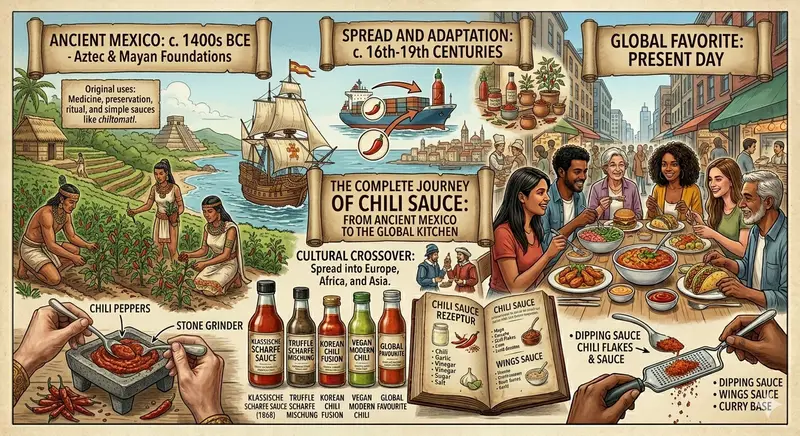
Chili sauce comes from Mexico originally where chili peppers first grew wild thousands of years ago. People there domesticated them around 6000 BC turning them into a key part of daily meals. Today its commonly eaten across the world from Asia to the Americas and Europe often in fast food or home cooking. In Mexico it started as a simple mash of chilies with water or tomatoes but spread through trade and migration becoming a staple in many kitchens.
Origin of Chili Sauce
The story begins in ancient Mexico with indigenous groups like the Aztecs. They ground chilies into pastes using stones adding salt or herbs for flavor. These early sauces spiced up corn based foods and meats. Archeologists found chili remains in ruins dating back to 7500 BC showing how central they were. By the time Spaniards arrived in the 1500s chilies were everywhere in markets. The word chili comes from Nahuatl the Aztec language meaning hot pepper. From Mexico sauces traveled north to what is now the US southwest where Native Americans adapted them.
Southward they influenced Central American cuisines. Early versions were fresh not cooked focusing on raw heat and brightness. Over centuries as people moved recipes changed but the core stayed chilies as the star. You can imagine the sharp scent filling ancient homes during grinding sessions that earthy spice hitting the air.
Traditional Ingredients and Methods
Classically chili sauce uses fresh red or green chilies garlic onions vinegar and salt. In Mexico traditional methods involve pounding in a molcajete a stone mortar for that gritty texture. Some add tomatoes for body or fruits like mango for sweetness. Cooking happens over open fires simmering to blend flavors. Fermentation is common too letting the mix sit for days to develop tang. No fancy tools just hands and fire. This keeps the sauce vibrant with a bite that lingers.
People passed down techniques through families each adding a twist like more garlic for punch. The result is a condiment thats versatile drizzled on tacos or mixed into stews. Sensory wise its all about that initial heat followed by subtle sweetness the aroma pungent and inviting. Methods stayed simple because ingredients were local and abundant no need for extras.
Regional Variations
In Mexico salsas vary by area like mole poblano from Puebla with complex spices or salsa verde from Veracruz using green tomatillos. Heading to Thailand chili sauce turns into nam prik with fish sauce and lime super umami. In the US its often sweeter like the kind on hot dogs from the Midwest blending tomatoes and bell peppers. Chinese versions add soy and ginger for that savory depth. African peri peri sauce from Portugal via Mozambique uses birds eye chilies with lemon zesty and fiery.
Each spot tweaks based on whats around so Indian chili sauce might include cumin or tamarind for tang. These differences show how the base idea adapts the heat level shifting from mild to blow your head off. Textures range from chunky to smooth depending on blending. Flavors evolve with local herbs making each unique yet familiar.
Variations in Asia
Asia took chili sauce and ran with it. Sriracha from Thailand mixes chilies garlic sugar and vinegar fermented for that garlicky kick. Its smooth and pours easy great on pho or eggs. In Indonesia sambal is chunkier with shrimp paste adding funk often eaten with rice. Korean gochujang ferments longer with rice and soybeans thick and sweet hot. These draw from Mexican roots but blend with local ferments. The process involves sun drying chilies sometimes for concentrated flavor.
Variations in the Americas
Back in the Americas beyond Mexico the US south has Tabasco sauce from Louisiana aged in barrels for three years vinegary and sharp. In Peru aji sauce uses yellow chilies with huacatay herb minty and fresh. Caribbean jerk sauces add allspice and scotch bonnets smoky from grilling. These keep the spicy essence but layer in island fruits or smokes. Preparation might include roasting over coals for char.
Cultural Significance
Chili sauce ties into festivals and daily life deeply. In Mexico its key during Day of the Dead offerings flavoring tamales for ancestors. Families gather to make big batches sharing stories the kitchen filled with laughter and spice smells. In Thailand its at every meal symbolizing hospitality a bottle on the table means welcome. Chinese New Year sees it in dumplings for luck the red color auspicious. In the US its at barbecues bringing people together over ribs slathered in sauce. Customs vary like in India where chutneys with chilies mark weddings adding zest to feasts.
It represents resilience too chilies thrive in tough conditions much like cultures that embrace them. Sensory details pop during events the sizzle of sauce hitting hot food that vinegary steam rising. It bonds communities through shared heat a bit of fire in every bite.
Role in Festivals
Festivals highlight chili sauce vividly. Mexicos chili festivals in Puebla feature contests for hottest sauces crowds cheering as judges sweat. Thailands vegetarian festivals use mild versions in street food avoiding meat but keeping spice. These events celebrate harvest with dances and music the air thick with roasting chilies.
Everyday Customs
Daily its in home rituals. Mexican abuelas teach grandkids to grind chilies passing knowledge. In Korea families ferment batches in fall for winter use a cozy tradition. It adds comfort to meals like a warm hug with kick.
How It Spread and Modern Use
Chilies spread via Columbus in 1493 reaching Europe then Asia through Portuguese traders. By the 1600s they were in India spicing curries. Trade routes carried seeds sailors planting them in ports. Migration boosted it too like Mexicans bringing recipes to the US in the 1800s. Modern use exploded with bottling in the 1900s Tabasco starting in 1868. Now its in fast food like McDonalds hot sauce packets globalized. Health trends push it for capsaicin benefits boosting metabolism. Chefs experiment fusing like Korean Mexican tacos with gochujang salsa.
Home cooks use apps for recipes but stick to basics. The evolution from wild plant to pantry staple shows adaptability. Today factories produce millions of bottles yet artisanal versions thrive at markets. You see it in cocktails too adding zip to bloody marys. The scent in modern kitchens mixes nostalgia with innovation.
Spread Through Trade
Trade was key. Spaniards took chilies to Philippines then Asia. Ottomans spread them to Hungary for paprika a milder form. Each stop adapted sauces to local tastes blending with existing spices. Ships logs mention chilies as valuable cargo preventing scurvy too.
Migration Influences
Migrants carried seeds in pockets. Chinese workers in California 1800s grew chilies for familiar flavors. African slaves in the Caribbean mixed them with native plants creating fiery condiments. This human movement wove chilies into new cultures seamlessly.
Modern Adaptations
Today adaptations include low sugar versions for health or vegan ferments. Tech helps with apps tracking spice levels. Fusion foods like sushi with sriracha show creativity. Restaurants feature house made sauces drawing crowds for unique heats.
Evolution of Recipes Over Time
Recipes changed with tools and tastes. Ancient ones were raw mashes but cooking came with pottery. Vinegar addition in colonial times preserved them longer. Industrial era brought canning making export easy. In the 20th century blenders smoothed textures fast. Global wars spread it soldiers craving home flavors. Post war immigration boomed varieties in cities. Now organic trends favor heirloom chilies for authentic taste. Sustainability pushes local growing reducing imports. Recipes online mix old and new like adding chocolate for mole inspired twists. The core remains heat balanced with acid and sweet. Evolution keeps it fresh each generation tweaking for preference.
Early Changes
Early on fire roasting added smoke before grinding. With metal tools pounding got easier. Spices from afar like cumin joined in after trade.
20th Century Shifts
The 1900s saw commercial brands standardizing recipes. Home ec classes taught preserving leading to more experimenting.
Current Trends
Now trends lean healthy with less salt or probiotic ferments. Social media shares videos of making sparking interest in DIY.
Health and Nutritional Aspects
Chilies pack vitamins C and A boosting immunity. Capsaicin eases pain and aids weight loss by revving metabolism. Sauces add flavor without many calories if low sugar. Traditional eaters knew this using them medicinally for colds. Modern studies back it showing anti inflammatory perks. But moderation matters too much heat irritates stomachs. In cultures its seen as invigorating starting days with a spicy bite. The tang from vinegar aids digestion. Overall its a healthful add on when balanced.
Nutritional Benefits
Vitamin rich chilies support eyes and skin. Antioxidants fight aging. A spoonful daily might keep sniffles away folk wisdom says.
Potential Drawbacks
Overdoing spice causes heartburn so start slow. Some skip seeds to tame it.
Famous Chili Sauces Around the World
Brands like Sriracha from Huy Fong became icons in the 1980s Vietnamese roots in California. Tabasco ferments for years unique tang. Lao Gan Ma from China adds crunch with beans. These represent peaks in popularity. Each has stories like Sriracha rooster logo from the founders zodiac. They inspire copies but originals hold loyalty. In markets you find shelves full varieties endless.
Iconic Brands
Tabasco started small now global. Sriracha exploded in the 2000s on everything from pizza to ice cream.
Homemade vs Commercial
Homemade tastes fresher no additives. Commercial offers convenience consistent heat.
Influence on Global Cuisine
Chili sauce shaped dishes worldwide. Italian arrabbiata gets kick from it. Indian vindaloo amps with extra. Fusion like Tex Mex burritos rely on it. It bridges cuisines adding universal spice. Chefs use it subtly or bold depending on plate. The spread enriched palates making bland foods exciting.
In European Food
Europe adopted slowly but now in peri peri chicken or harissa pastes.
In Fusion Dishes
Fusion sees it in sushi rolls or burgers global twist.
Thats pretty much it I guess. It always turns out a bit different each time depending on the chilies you pick.
FAQ’s
How do I make simple homemade chili sauce with fresh chilies?
Take fresh red chilies garlic onion vinegar salt sugar and a little oil. Cut them all up cook them together then blend until smooth. It takes about one hour and the taste is much better than the ones you buy from shop.
What chilies work best for homemade chili sauce?
Red chilies like cayenne or Thai bird eye give good heat and nice taste. Fresno or jalapeno make it not so hot. Just get the fresh ones you see at the market.
How spicy can homemade chili sauce get?
It depends on the chilies you choose and if you keep the seeds. Seeds from very hot chilies make it really strong. Take seeds out to make it normal hot.
How long does homemade chili sauce last in the fridge?
It stays good for three to four weeks in a clean closed jar. If you add more vinegar some people keep it up to two months.
Can I make chili sauce without cooking it?
Yes you can make it raw. Blend fresh chilies garlic salt and lime juice or vinegar. The color stays bright but keep it in fridge and use it fast.
Why does my homemade chili sauce taste too vinegary?
You put too much vinegar at the start. Taste it while you make and next time add more sugar or a little water to fix the taste.
Is it safe to can homemade chili sauce for long storage?
Water bath canning is okay if you follow a safe recipe with lots of vinegar. If you are not sure just keep it in fridge to be safe.
How do I thicken homemade chili sauce?
Cook it longer so it gets less watery or mix a tiny bit of cornstarch at the end. Some people add roasted peppers to make it thick in natural way.
What food goes well with homemade chili sauce?
Grilled chicken wings eggs tacos noodles rice fries burgers and pizza too. It makes any plain food taste much better.
Can I freeze homemade chili sauce?
Yes put it in ice cube trays or small boxes. When you need it take out and let it thaw in fridge. Taste and feel stay good even after freezing.
Follow our social media Accounts for updates:

Hi, I’m Emma, a passionate home chef and the heart behind MasterTastes.com. With over 5 years of hands on experience in the kitchen. I specialize in creating simple flavorful and foolproof recipes that bring restaurant quality taste to everyday home cooking.
From quick weeknight meals and traditional Pakistani & Indian classics to modern fusion dishes and indulgent desserts my recipes are tested budget friendly and designed for real life kitchens especially for beginners and busy home cooks.
My goal is simple: to help you cook with confidence impress your family and guests and turn every meal into a delicious memory.