Spicy Mayo
01
Spicy Mayo
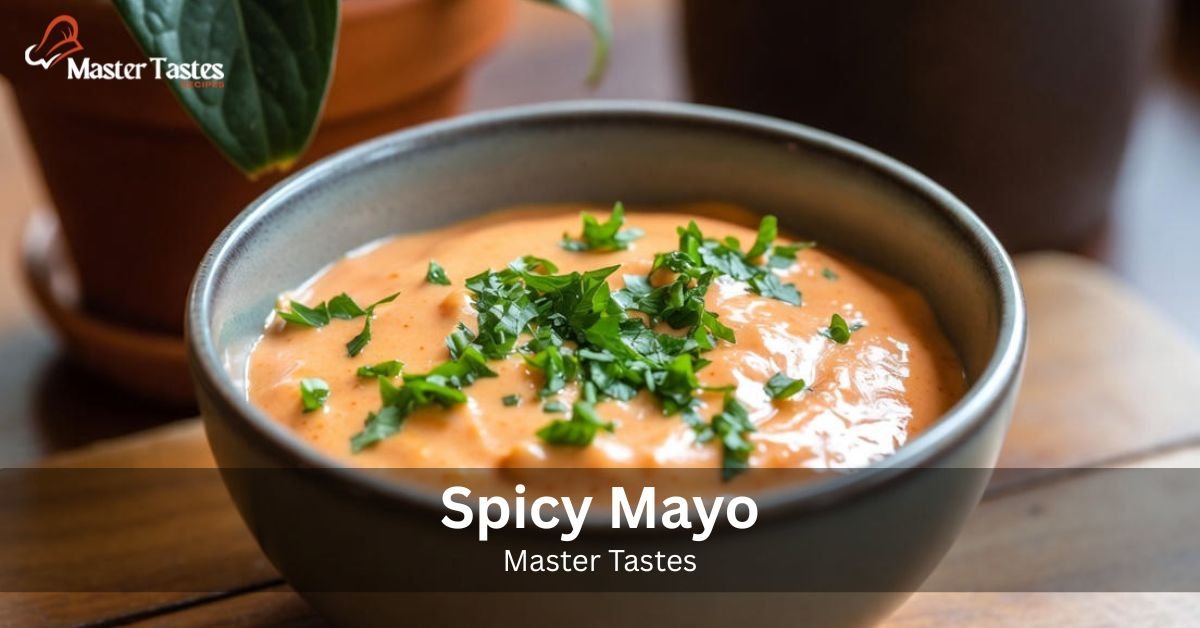
Spicy Mayo brings a nice creamy heat to lots of foods. You make it by blending regular mayonnaise with a spicy element like sriracha or hot sauce. This simple mix works well on sushi rolls burgers or as a dip for veggies and fries. The creaminess cuts through the spice creating a balanced taste that many folks enjoy. At home you can tweak the recipe to match your preferred level of kick maybe milder for kids or hotter for those who like it bold.
It only needs a handful of items and comes together fast. I sometimes throw in a dash of lime juice to brighten things up a bit. That tang pairs great with the richness. People use it in sandwiches salads or even on grilled meats. It’s one of those sauces that once you have it around you find new ways to add it everywhere. Pretty straightforward and always hits the spot you know.
Ingredients
| Ingredient | 0.5 kg | 1 kg | 2 kg |
|---|---|---|---|
| Mayonnaise | 440 grams | 880 grams | 1760 grams |
| Sriracha sauce | 50 grams | 100 grams | 200 grams |
| Lime juice | 10 grams | 20 grams | 40 grams |
| Garlic powder | 1 teaspoon | 2 teaspoons | 4 teaspoons |
| Salt | Pinch | 0.5 teaspoon | 1 teaspoon |

How to Make
- Start with a clean bowl big enough for mixing.
- Scoop in the mayonnaise first.
- Add the sriracha sauce next.
- Squeeze in the lime juice.
- Sprinkle the garlic powder over top.
- Add a pinch of salt.
- Use a whisk or spoon to stir everything together.
- Mix until smooth and even in color.
- Taste it.
- Adjust spice or salt if needed.
- Transfer to a jar or container.
- Chill in the fridge for thirty minutes before using.
Tips
- Full fat mayonnaise gives a richer texture so stick with that if you can.
- If it’s too thick, just add a bit more lime juice to loosen it up.
- Store leftovers in an airtight container in the fridge it lasts about a week.
- For serving try drizzling over poke bowls or mixing into coleslaw for extra flavor.
- Prep ahead if youre having friends over it tastes better after the flavors meld a bit.
- Some people skip the garlic powder but I think it adds a subtle depth you know.
- Experiment with other hot sauces like chipotle for a smoky twist.
History of Spicy Mayo
Spicy mayo started in the United States back in the nineteen eighties. Chefs in places like Los Angeles and Seattle came up with it as part of American style sushi. Today folks eat it commonly in the US and spots around the world from casual diners to home kitchens where fusion food shows up often.
Origin of Spicy Mayo
Back in the eighties sushi was catching on in America but raw fish turned some people off. Chefs got creative to make it more appealing. In Los Angeles a few Japanese immigrants tinkered with tuna scraps. They mixed them with mayonnaise to smooth out the texture and added chili sauce for heat. This hid any strong fishy notes and gave a creamy kick. One story points to a chef in Little Tokyo who first tried it to use up leftovers. The sauce alone spicy mayo became a hit on its own. You could smell the garlic and spice blending with the cool mayo.
It felt like a bridge between familiar condiments and new flavors. Over time this mix spread from sushi bars to other dishes. Folks loved how it transformed simple bites into something exciting. I guess thats how many great ideas start just solving a small problem in the kitchen.
Early Experiments with Tuna and Sauce
Around that time in Seattle another tale emerges from Maneki restaurant. Jean Nakayama the owner saw her team experimenting. They chopped tuna bits fine then folded in mayo and hot sauce. This wasnt traditional Japanese fare but a twist for local tastes. The goal was to mask stringy parts and add appeal. Customers raved about the warm spice against the cold roll. Youd bite in and get that creamy heat spreading across your tongue.
It changed how people viewed sushi making it less intimidating. Some say this version used chili oil at first before sriracha took over. Either way it was born from necessity in busy kitchens. Chefs shared tips across cities helping the idea grow. Now looking back it seems simple but back then it was innovative. Thats the beauty of food evolution you know mixing what you have on hand.
Role of Sriracha in the Mix
Sriracha brought the real fire to spicy mayo. This red sauce from Thailand hit US shelves in the eighties thanks to Vietnamese American maker David Tran. Its garlicky tangy heat paired perfectly with mayo creamy base. Chefs grabbed it because it was cheap and bold. In sushi spots they stirred it in creating that orange hue folks recognize today. The vinegar in sriracha cut through the richness adding a zing you could taste right away. Without it spicy mayo might have stayed mild or used other peppers. But srirachas rise made it the go to.
You open a bottle and that sharp aroma fills the air promising flavor. Over years it became synonymous with the sauce. Some kitchens still use homemade chili pastes but sriracha simplified things. It turned a fusion experiment into something anyone could replicate at home. Pretty neat how one ingredient shifts a whole dish.
Other Hot Sauces Tried Early On
Before sriracha dominated some used Tabasco or even wasabi mixed with mayo. Those gave a sharper bite less garlicky. In coastal areas fresh chilies got blended in for a brighter heat. But they didnt store as well. Chili oil from Asian markets added a slick texture too. Each option changed the final taste a bit.
Traditional Ingredients and Methods
At its core spicy mayo uses mayonnaise as the base thick and smooth from eggs and oil. Then comes the spice often sriracha for that balanced heat. Lime or lemon juice adds acidity to lift it all. Garlic powder brings subtle savoriness without chunks. Methods stay simple whisk in a bowl until combined. No cooking needed just blending at room temp. Traditionally for sushi its made fresh daily in small batches. You feel the spoon dragging through the thick mix hearing a soft whip.
The color turns pale orange signaling its ready. Chefs taste as they go adjusting for the days batch. This hands on approach keeps it consistent. In home versions folks use what they have maybe mayo from the jar and hot sauce from the pantry. It smells fresh and inviting with a hint of vinegar. Over time this basic technique hasnt changed much. It works because its easy and quick.
Regional Variations in the US
Out West in California spicy mayo often includes sesame oil for nutty depth. They use it heavy in rolls like spicy crab. Up in the Northwest folks might add smoked paprika for a woodsy twist. East Coast versions lean hotter with extra cayenne suiting bolder palates. In the South they mix in Creole mustard for tang. Each area tweaks based on local flavors. You bite into a New York roll and get that intense spice while a LA one feels smoother.
Textures vary too some whip it airy others keep it dense. These differences come from available ingredients and customer prefs. I find the West Coast style creamier maybe from fresher produce. But all keep the core mayo and heat. It shows how food adapts to places. Now with travel these variations blend creating new hybrids. Thats fun part of eating out you know discovering local takes.
Variations Outside Sushi
Beyond rolls spicy mayo shows up in burgers down South with jalapenos added. Midwest dips use it for fries sometimes with ranch mixed in. These expand the basic recipe.
Cultural Significance in Fusion Cuisine
Spicy mayo holds a spot in the fusion food scene blending East and West. It represents how immigrants adapted traditions for new homes. In Japanese American communities it became a symbol of innovation. Families share it at gatherings mixing with familiar dishes. During festivals like cherry blossom events sushi with this sauce appears. It ties to occasions where cultures meet like potlucks or street fairs. The creamy spice evokes comfort with a thrill.
You hear laughs as people try it first time eyes widening at the flavor. It signifies acceptance of diverse tastes. In media it pops up in shows about modern eating. For many its a gateway to trying sushi softening the raw aspect. Culturally it bridges gaps making foreign food feel homey. Some see it as a mark of Americas melting pot. I think it highlights creativity in tough times like when chefs first arrived.
How Spicy Mayo Spread Globally
From US sushi bars it hopped to Canada in the nineties via chains. Europe caught on in the early two thousands with London spots adding it to menus. Asia saw reverse migration Japan adopted it in trendy cafes. Social media sped this up with videos showing easy recipes. Trade shows and chefs traveling shared the idea. Youd find bottles in markets abroad labeled as such. The internet let home cooks experiment spreading variations.
Now in Australia they use it on seafood platters. The global appeal comes from its versatility. Smell it in a busy market stall overseas and it feels familiar. Chains like conveyor belt sushi places made it standard. From there it entered fast food think spicy chicken sandwiches. It evolved with trends like health kicks using lighter mayo. Pretty wild how a simple sauce goes worldwide.
Influence on Modern Sushi Trends
Today spicy mayo fuels new rolls like spicy salmon or veggie versions. It inspired sauces with mango for sweet heat. In fine dining chefs elevate it with truffle oil. Health trends swap mayo for yogurt bases. Apps and delivery boosted its popularity during lockdowns. You order online and get that familiar taste at home. Blogs and TikToks teach twists keeping it fresh. The texture creamy yet spicy draws repeats. Some spots offer build your own with this sauce central.
It pushed boundaries blending with Mexican or Indian spices. I notice more vegan options using plant mayo. This keeps the dish alive adapting to diets. Thats evolution for you always changing a bit each time.
Impact on Home Cooking
At home people now make big batches for parties. Recipes online add herbs or honey. It turned condiment drawers more adventurous.
Evolution Over the Decades
In the nineties it stayed mostly in sushi then two thousands saw it on menus everywhere. By twenty tens fast casual spots used it in bowls. Now its in grocery aisles pre made. Flavors shifted from basic chili to complex like gochujang mixes. Packaging went from kitchen bowls to squeeze bottles. You squeeze it out hearing that pop of air. Quality improved with organic options. Chefs documented stories preserving the history.
It reflects broader food shifts toward bold tastes. Some worry it overshadows traditional sushi but others embrace the mix. I see it as growth not loss. Decades show how one idea sparks many. It always turns out a bit different each time depending on whos making it. Thats pretty much it I guess for how it changed.
FAQ’s
If I don’t have sriracha what can I use for spicy mayo?
Any hot sauce works like Tabasco or the chunky chili garlic stuff. Gochujang is thick and gives a nice twist. Those canned chipotles add smoke. Start with a tiny bit and taste because every one is different.
Is spicy mayo and yum yum sauce the same?
No they are nothing alike. Spicy mayo is plain mayo with hot sauce for kick. Yum yum is sweet and mild with ketchup paprika sugar in it. Its the pink sauce from those steakhouse grills for dipping shrimp.
How long does my homemade spicy mayo stay fresh in the fridge?
About one or two weeks if you keep it in a sealed jar. Scoop with a clean spoon always. When it smells bad or looks funny just bin it.
Can I use Greek yogurt to make spicy mayo instead of mayo?
Sure it comes out good and not as heavy. Put in all yogurt or half mayo half yogurt. Gives a nice sharp taste and cuts calories but keeps it thick. Yogurt makes spice softer so add more if needed.
Why does the spicy mayo in restaurants taste so much better?
They usually grab Kewpie mayo from Japan. Its thicker and has that little sweet touch from using only yolks. Some throw in sesame oil or a bit of sugar. Normal mayo is alright but Kewpie makes it stand out.
What can I add to give spicy mayo more taste?
Little sesame oil for nutty flavor or fresh garlic chopped small for bite. Bit of honey for soft sweet. Toasted seeds on top for crunch. Soy sauce splash makes it richer you know.
Can I make spicy mayo without eggs for vegan?
Yeah just get egg free mayo from the shop avocado oil ones or whatever. Hot sauce stays the same. Turns out thick and spicy still.
Is it okay to put spicy mayo in the freezer?
No it messes up. Gets all split and watery after. I make just enough and leave it in the fridge.
My spicy mayo came out too hot how do I fix it?
Add more regular mayo to cool it. Extra lime squeeze helps too. Stir and check taste again.
What else can I eat with spicy mayo not just sushi?
Great on burgers tacos or with fries. On poke bowls grilled chicken. In coleslaw for zing or sandwiches. Even plain roasted veg gets nice with some.
Follow our social media Accounts for updates: