

Mango Sauce
01
Prawns Pakoda
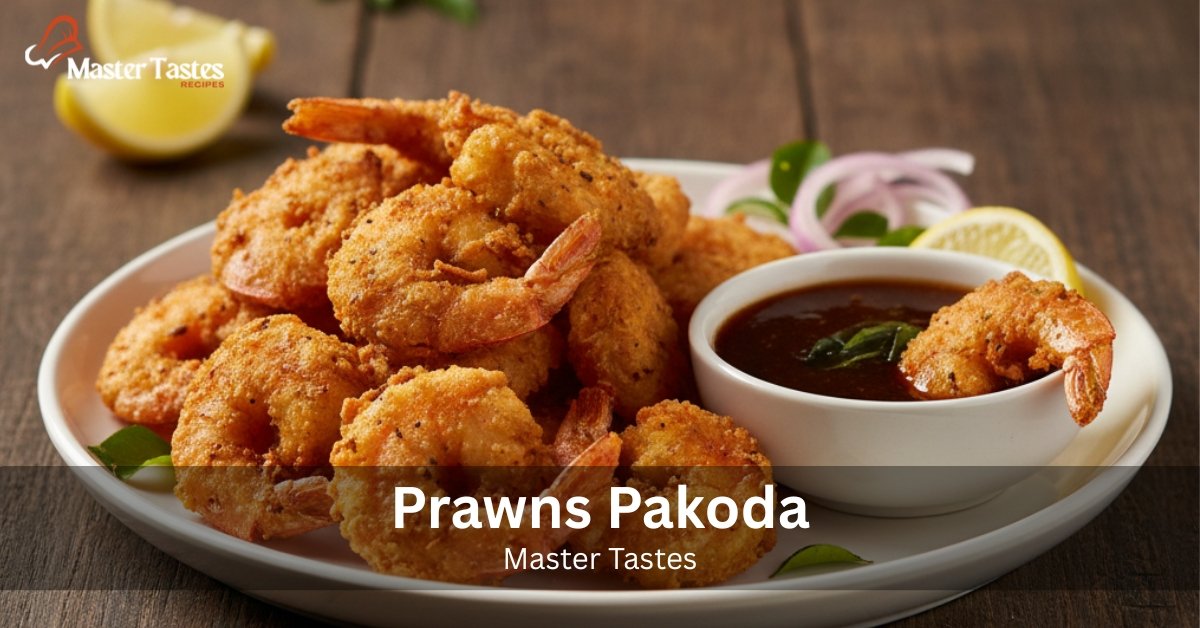
Prawns pakoda is a quick fried snack where fresh prawns go into a spicy batter and come out golden and super crisp. Everyone loves it as a starter or with hot chai on rainy evenings when the rain keeps pouring. The batter is just gram flour with everyday spices that give a nice punch and that perfect crunch. You spot it at roadside stalls all the time or you can easily whip it up at home when friends drop by. This recipe gives amounts for half kilo one kilo or two kilos so you choose whatever works for the day.
First thing is to wash the prawns properly and get rid of any dirt. I always mix the dry stuff before pouring water so the batter turns out just thick enough. Drop them in really hot oil and they cook evenly without turning soggy. It tastes great with green chutney or even plain. Kids go crazy for the soft juicy prawn inside and the crunchy coat outside. I sometimes squeeze a bit of lemon on top right after frying for that extra zing. Once everything is ready it hardly takes any time to finish.
Ingredient
| Ingredient | For 0.5 kg prawns | For 1 kg prawns | For 2 kg prawns |
|---|---|---|---|
| Prawns (cleaned and deveined) | 0.5 kg | 1 kg | 2 kg |
| Gram flour (besan) | 1 cup | 2 cups | 4 cups |
| Rice flour | 0.5 cup | 1 cup | 2 cups |
| Red chili powder | 1 teaspoon | 2 teaspoons | 4 teaspoons |
| Turmeric powder | 0.5 teaspoon | 1 teaspoon | 2 teaspoons |
| Coriander powder | 1 teaspoon | 2 teaspoons | 4 teaspoons |
| Garam masala | 0.5 teaspoon | 1 teaspoon | 2 teaspoons |
| Salt | To taste (about 1 teaspoon) | To taste (about 2 teaspoons) | To taste (about 4 teaspoons) |
| Ginger garlic paste | 1 tablespoon | 2 tablespoons | 4 tablespoons |
| Lemon juice | 1 tablespoon | 2 tablespoons | 4 tablespoons |
| Chopped onion (optional) | 0.5 cup | 1 cup | 2 cups |
| Curry leaves (chopped) | A handful | Two handfuls | Four handfuls |
| Water | As needed to make batter | As needed to make batter | As needed to make batter |
| Oil for deep frying | Enough to submerge | Enough to submerge | Enough to submerge |

How to Make
- Clean the prawns by removing shells and deveining them under running water.
- Pat dry the prawns with a cloth to remove extra moisture.
- Mix gram flour rice flour red chili powder turmeric coriander powder garam masala and salt in a bowl.
- Add ginger garlic paste lemon juice chopped onion and curry leaves to the dry mix.
- Slowly pour in water while stirring to form a thick batter that coats the back of a spoon.
- Dip each prawn into the batter making sure it covers all sides evenly.
- Heat oil in a deep pan until it smokes a little.
- Drop battered prawns into the hot oil in small batches to avoid crowding.
- Fry on medium heat turning occasionally until golden brown and crisp.
- Take them out with a slotted spoon and let the extra oil drip on kitchen paper.
- Serve hot with your favorite dip.
Tips
- Marinate the prawns in lemon juice and a pinch of salt for ten minutes before battering it helps with flavor and tenderness.
- If the batter feels too thick add water a tablespoon at a time you don’t want it runny or the coating falls off.
- Use fresh oil for frying old oil can make the pakoda taste off.
- For extra crunch some folks mix in a bit of semolina but I usually skip that step.
- Serve right away while hot the crispiness fades if it sits too long.
- Pair with green chutney or ketchup for kids who might find it spicy.
- You can prep the batter ahead and store in the fridge for a couple hours.
- Test one prawn first to check oil temperature too low and it soaks up oil too high and it burns outside.
History of Prawns Pakoda
This dish comes originally from India where coastal communities first made versions of it centuries ago. Today people eat it commonly across India Pakistan Bangladesh and even in South Asian spots around the world like the UK or US. It ties back to everyday meals and snacks in places with easy access to seafood.
Origin of Prawns Pakoda
Pakoda as a fried snack started in ancient India around the time of early Vedic texts maybe two thousand years back. Folks used simple flours to coat veggies or fish and fry them in oil. For prawns it likely began in southern coastal areas like Kerala or Tamil Nadu where the sea provides fresh catch daily. Fishermen would bring home prawns and women in the house mixed them with local spices to make quick bites. The word pakoda comes from Sanskrit pakvavata meaning cooked in heat.
Early recipes show up in old cookbooks from the Mughal era but seafood versions stayed more regional. You can imagine the sizzle of hot oil and the smell of spices filling small kitchens by the beach. It was a way to use up small prawns that weren’t big enough for curries. Over time it became a street food staple in ports like Mumbai. I think that’s how it got popular shared among traders and locals alike.
Traditional Ingredients and Methods
Classic prawns pakoda relies on gram flour for the base which gives that nutty taste and light texture. Rice flour adds crunch without making it heavy. Spices like chili turmeric and coriander come from Indian pantries grown in the region for ages. Ginger and garlic paste brings sharpness while curry leaves offer a fresh aroma that hits you right away. Methods involve hand mixing the batter to keep it lumpy for better coating.
Frying happens in iron kadais over wood fires traditionally which imparts a smoky flavor hard to get with gas stoves now. Prawns get cleaned fresh often caught that morning. No measurements back then just by feel a handful of this a pinch of that. The oil usually mustard or coconut for coastal twists adds to the regional taste. You fry until the outside crackles and inside stays juicy. Serving on banana leaves keeps it simple and earthy. Some add onions for sweetness but purists stick to basics.
Regional Variations
In Kerala prawns pakoda often includes coconut shreds in the batter for a tropical sweetness and uses coconut oil for frying which makes it richer. Up in Maharashtra around Mumbai they might toss in more chili and serve with pav bread like a snack sandwich. Tamil Nadu versions lean on fennel seeds for a licorice hint and sometimes wrap in betel leaves before frying. Goan style influenced by Portuguese adds vinegar to the marinade for tang and uses bigger prawns.
Northern India adapts it with less spice and more yogurt in the batter to make it milder. Bengali takes might use mustard paste for pungency and pair with rice. Each place tweaks based on what grows nearby like curry leaves in the south or ajwain in the west. You notice the texture changes too crispier in dry areas softer where humidity is high. I’ve tried a few and each has its own charm depending on the mood.
Cultural Significance
Prawns pakoda shows up at festivals like Diwali or Onam where families gather and share fried snacks. In coastal villages it marks the end of a fishing day a quick treat before dinner. Weddings in South India include it in appetizer spreads symbolizing abundance from the sea. During monsoon seasons it pairs with chai as rain pours outside the warmth and spice comfort people inside. Temples sometimes offer similar fried items as prasad but with veggies instead.
It ties to hospitality too guests get served hot pakoda first thing. Stories passed down say it started as a way to honor sea gods by using the catch wisely. Kids learn to make it young helping moms in the kitchen. The crunch and burst of flavor bring people together over casual chats. You feel the community vibe when sharing a plate at local eateries.
Evolution in Festivals
Over years festivals adapted prawns pakoda to fit modern tastes like lighter oils for health. In big events now they make huge batches in community kitchens.
Role in Daily Customs
Everyday it’s a go to for evening snacks especially in homes near beaches where fresh prawns are cheap.
How It Spread and Modern Use
Trade routes helped prawns pakoda move beyond India when merchants carried spices and recipes to Southeast Asia in the medieval period. British colonial times saw it in Anglo Indian kitchens mixed with their fritters. Migration in the twentieth century brought it to the UK where South Asian communities opened shops selling it as prawn pakora. Now in the US you find it in Indian restaurants or food trucks adapted with less oil for lighter versions.
Modern twists include baking instead of frying or using air fryers to cut calories. Gluten free options swap gram flour with alternatives. Chefs experiment with fusion like adding cheese or herbs from other cuisines. Social media spreads recipes fast with videos showing quick makes. It stays popular at parties or as bar snacks. Health trends push for organic spices and sustainable prawns. You see it evolve but the core stays the same that satisfying bite.
Spread Through Migration
Waves of people moving for work took the recipe to places like Canada or Australia in the last fifty years. They adjusted for local prawns which might be bigger or sweeter.
Modern Adaptations
Today apps and blogs share variations like vegan versions without prawns using veggies. Some add beer to batter for fizz but traditionalists frown on that.
Global Popularity Today
In cities worldwide food festivals highlight it drawing crowds curious about Indian flavors. Restaurants tweak spice levels for locals.
Influence on Other Dishes
Prawns pakoda inspired similar snacks in neighboring countries like Sri Lanka where they make isso vadai with dried prawns. In Pakistan it’s close to prawn bhajia served during Ramadan iftars. The batter technique shows in Japanese tempura some say from Portuguese traders who learned from Indians. Thai versions use lemongrass for a twist.
Even in the Middle East falafel borrows the frying idea though with chickpeas. You taste the connection in the crunch and spice balance. Home cooks mix it with other ideas like stuffing in wraps. It shaped street food culture globally pushing vendors to innovate. I recall seeing a fusion taco with pakoda filling once fun surprise.
Connections to Tempura
Historians link early Indian frying to Portuguese who took it to Japan in the sixteenth century. The light batter evolved there but roots trace back.
Impact on Street Food
Vendors in bustling markets owe a lot to pakoda ease quick to make and sell hot draws crowds with the aroma.
Preservation of Traditions
Efforts keep old ways alive like workshops in villages teaching young ones the hand feel for batter. Cookbooks document regional recipes to pass down. Festivals celebrate with contests for best pakoda. Families guard secret spice mixes handed through generations. Tourism boosts it too visitors seek authentic coastal eats. Schools sometimes include simple cooking in curriculum. The smell of frying brings back memories for many. It’s about more than food it holds stories of resilience in fishing communities. Now with climate changes affecting seas people adapt but hold onto the dish. You sense the pride when elders share tips.
Community Workshops
Groups organize sessions where experts show traditional methods using local tools. Helps bond neighbors over shared heritage.
Role in Tourism
Travelers hunt for spots famous for prawns pakoda like beaches in Goa where stalls line up at sunset.
Family Recipes
Many homes have notebooks with faded writing listing tweaks over decades. Kids copy them to continue the line.
Challenges and Future
Overfishing worries some so sustainable sourcing matters now. Rising oil prices make frying costlier pushing for alternatives. Health awareness cuts deep fried appeal but moderation keeps it going. Younger generations experiment with apps for new spins. Climate shifts seas warming affect prawn quality. Yet the dish endures adaptable as ever. Future might see lab grown prawns or plant based subs. But the joy of biting into hot pakoda stays timeless. I guess it will keep evolving like always.
Sustainability Issues
Catch limits help but demand grows. Farms provide options though taste differs a bit.
Health Trends
Air frying cuts oil while keeping crunch popular in urban homes now.
Next Generation Twists
Kids online share videos with adds like cheese or herbs blending cultures. This history shows how a simple snack grew from seaside roots to global tables. Each bite carries layers of time and place. It always turns out a bit different each time depending on the hands making it. That’s pretty much it I guess.
FAQ’s
How do I stop prawns pakoda from getting soggy after frying?
Oil must be very hot and don’t put too many pieces together. Take them out and keep on a steel rack not on tissue so steam goes away. Eat in five ten minutes only.
Can I make prawns pakoda without besan?
Yes you can use only rice flour plus little cornflour or maida but taste will be different. Besan gives that proper smell and crunch.
Which oil is best for crispy pakoda?
Sunflower peanut or normal cooking oil works great. Many people near the sea still use coconut oil because it gives a light sweet smell.
How long can I keep the batter in fridge?
Make batter and fry within two three hours only. After that prawns leave water and batter becomes runny.
Why is the coating falling off in oil?
Prawns were still wet or batter was too thin. Dry prawns properly with a cloth and batter should stick to your finger.
Can I bake instead of fry?
Yes heat oven to 220 degrees brush little oil on each pakoda and bake on rack twelve fifteen minutes turn once. It becomes crisp but fried one tastes different.
Small prawns or big prawns better for pakoda?
Medium size is best. Very small ones burn quickly big ones stay raw inside.
How spicy is normal pakoda?
Street ones are medium spicy about two teaspoon red chili powder for one kilo prawns. Make it less for kids or add green chili if you want more heat.
Can I make ahead for party?
Clean and marinate prawns early keep dry masala ready. Add water only twenty minutes before guests come and fry fresh so it stays hot and crispy.
Which chutney tastes best with it?
Mint coriander chutney is everyone’s favourite. Sweet tamarind chutney or simple garlic ketchup also tastes really good.
Why my pakoda smells fishy?
Prawns were not fresh or you forgot to wash properly. Fresh prawns smell like sea not strong bad smell. Always wash with salt and lemon before using.
Follow our social media Accounts for updates:



One thought on “Prawns Pakoda”