

Mango Sauce
01
Pepper Chicken Gravy
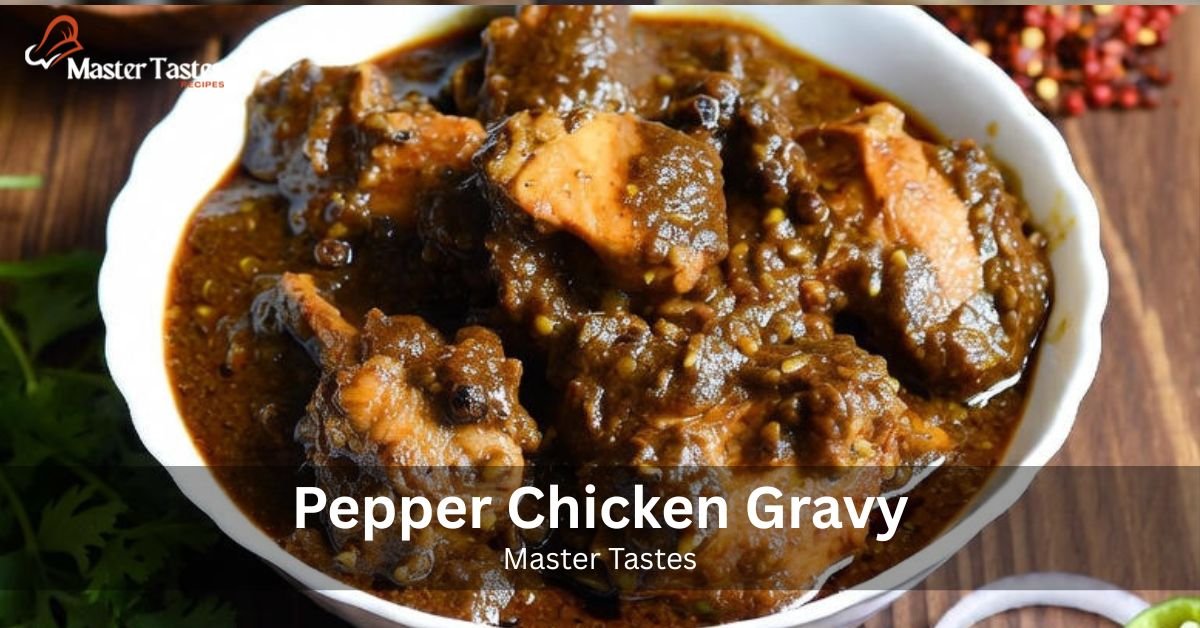
Pepper chicken gravy is a really easy dish that gets all its punch from black pepper and a few basic spices. You just simmer chicken pieces in a thick spicy sauce at home. It works great for normal weeknight dinner or when you feel like eating something proper with rice or chapati. Fresh ground pepper gives that strong warm kick together with onions tomatoes and garlic. Most people want the gravy thick enough to stick on the chicken instead of being thin. This way stays super simple so anybody can make it. Pick nice fresh chicken and use less pepper if you dont want it too hot. It takes only about forty five minutes and easily serves four to six people. The smell while cooking is amazing and everyone comes to the kitchen asking when its ready. I sometimes add a little extra water if the sauce gets too thick fast. That is pretty much it for this tasty comforting dish.
Ingredients
| Ingredient | 0.5 kg | 1 kg | 2 kg |
|---|---|---|---|
| Chicken pieces | 0.5 kg | 1 kg | 2 kg |
| Black pepper powder (freshly ground) | 1 tablespoon | 2 tablespoons | 4 tablespoons |
| Onions (finely chopped) | 1 large | 2 large | 4 large |
| Tomatoes (chopped) | 1 medium | 2 medium | 4 medium |
| Ginger (grated) | 1 inch piece | 2 inch piece | 4 inch piece |
| Garlic cloves (minced) | 4 to 5 | 8 to 10 | 16 to 20 |
| Green chilies (slit) | 1 | 2 | 4 |
| Turmeric powder | 1/4 teaspoon | 1/2 teaspoon | 1 teaspoon |
| Coriander powder | 1 teaspoon | 2 teaspoons | 4 teaspoons |
| Cumin seeds | 1/2 teaspoon | 1 teaspoon | 2 teaspoons |
| Curry leaves | 10 to 12 | 20 to 24 | 40 to 48 |
| Salt | To taste (about 1 teaspoon) | To taste (about 2 teaspoons) | To taste (about 4 teaspoons) |
| Oil (for cooking) | 2 tablespoons | 4 tablespoons | 8 tablespoons |
| Water | 1/2 cup | 1 cup | 2 cups |
| Fresh coriander leaves (chopped for garnish) | A handful | Two handfuls | Four handfuls |

Homemade Honey Roast Chicken | Soft Tender and Golden
How to Make
- Clean the chicken pieces under running water and pat them dry with a towel.
- Mix the chicken with half the black pepper turmeric salt and a bit of oil in a bowl.
- Let it sit for 15 minutes to soak up the flavors.
- Heat oil in a pan over medium flame.
- Add cumin seeds and wait until they crackle.
- Toss in curry leaves and let them sizzle for a few seconds.
- Put in chopped onions and stir until they turn golden brown.
- Add grated ginger minced garlic and slit green chilies next.
- Cook that mix for two minutes until the raw smell goes away.
- Add chopped tomatoes and stir well.
- Cover the pan and let tomatoes soften for five minutes.
- Sprinkle coriander powder and the rest of the black pepper.
- Mix everything together for a minute.
- Add the marinated chicken pieces to the pan.
- Stir to coat the chicken with the masala.
- Pour in water and bring it to a boil.
- Lower the heat and simmer for 20 to 25 minutes until chicken is tender.
- Check if the gravy is thick enough adjust with more water if needed.
- Switch off the flame and sprinkle lots of freshly chopped coriander on top.
- Serve hot with rice or flatbread.
Tips
- If your chicken is frozen thaw it completely before starting so it cooks evenly.
- Grind black pepper fresh each time for a stronger taste some people use pre-ground but it loses punch.
- Add a squeeze of lemon at the end if you want a tangy twist it brightens the flavors.
- For thicker gravy mash some onions and tomatoes while cooking that helps naturally.
- You can make this ahead and reheat the next day it tastes even better after sitting.
- Pair it with plain rice or chapati and maybe a side salad to balance the spice.
- If spice is too much for kids cut back on chilies and pepper a bit.
- Use bone-in chicken for more flavor boneless works but it’s drier sometimes.
- Stir occasionally during simmering to avoid sticking at the bottom.
- That’s pretty much it I guess experiment a little next time.
Lamb Biryani | Soft Juicy Homemade Recipe
History of Pepper Chicken Gravy
Pepper chicken gravy comes from South India mainly Tamil Nadu where it’s a staple in many homes. Today it’s commonly eaten across India and in places with Indian communities like Singapore Malaysia and the UK. The dish draws from ancient Tamil cooking traditions blended with local spices. Black pepper native to the region plays a big role giving it that name and heat. Over time it spread through trade routes and family recipes passed down. You know how food travels with people. In Tamil Nadu it’s often made for everyday meals or small gatherings. The gravy style makes it versatile soaking into rice nicely. Sensory wise think of the sharp pepper smell mixing with sizzling onions that earthy warmth fills the air. Textures vary from tender chicken to thick sauce clinging on. It evolved from simple village fares to restaurant versions but the core stays true. Now families tweak it based on what’s available.
Origin of Pepper Chicken Gravy
This dish started in the Tamil Nadu countryside centuries ago maybe during the Chola dynasty around the 9th century. Back then black pepper grew wild in the Western Ghats and locals used it a lot in food for its warmth and health benefits. They believed it helped with digestion and colds. Early versions were basic just chicken pepper and a few herbs cooked over wood fires in clay pots. Traders from Kerala brought more pepper influencing the spice level. You can imagine villagers gathering after a day in fields sharing this hot gravy with millets. It wasn’t fancy but filling. As kingdoms expanded recipes moved to cities like Madurai where temple cooks added twists. The name “milagu kozhi kuzhambu” in Tamil hints at its roots milagu means pepper. Over years it became a comfort food for many. I think that’s why it feels so homey when you eat it the history seeps in.
Traditional Ingredients and Methods
At its heart, pepper chicken gravy is all about fresh cracked black pepper, nothing from a bottle. Bone-in chicken pieces give the deepest flavor. The base is simple: lots of onions, ripe tomatoes, ginger, garlic, and a handful of curry leaves. A pinch of turmeric for golden color, some coriander powder for warmth, and cumin seeds for that nutty pop. That’s pretty much the whole spice rack. You start by rubbing chicken with pepper, turmeric, and salt, then let it sit a bit. Onions go into hot oil until golden, then ginger-garlic paste sizzles in. Tomatoes cook down into a thick mash, spices bloom for a minute, and in goes the chicken. Everything simmers slowly on low heat until the meat is fall-apart tender and the gravy clings to it. Back in the day it cooked in clay pots over wood fires, picking up a light smokiness. Spices were always hand-ground in a stone mortar, you can still smell that sharp pepper burst when you do it yourself. In coastal homes a splash of coconut milk sometimes makes it silkier. After cooking it rests for ten minutes so every bite tastes even better. Simple ingredients, slow cooking, big flavor. That’s the old school way, and it still works perfectly.
Regional Variations
In Tamil Nadu the Chettinad version amps up pepper and adds star anise for a unique twist it’s drier than gravy styles. Kerala adaptations include coconut oil and more green chilies making it coconutty and sharp. Andhra Pradesh folks spike it with extra red chilies for heat turning the gravy reddish. Up north in Punjab they might add yogurt for creaminess blending with their tandoori influences. Coastal Tamil areas use fresh seafood sometimes but chicken stays common. In cities like Chennai street vendors make quick versions with less oil for takeout. Singapore Indian spots add soy sauce for a fusion touch. You see how each place tweaks based on local produce. Textures differ too some like chunky onions others puree smooth. Spice levels vary from mild in homes to fiery in eateries. I usually prefer the Tamil style but trying variations is fun. It shows food adapting to new homes.
Coastal Twists
Along Tamil coasts fishermen families swap chicken for fish but keep pepper gravy base. They add tamarind for sourness and cook in banana leaves for aroma. This version steams more than simmers.
Northern Adaptations
When Tamils moved north during British times they mixed pepper gravy with Punjabi masalas like garam powder. It became less peppery more aromatic with added cream sometimes.
Cultural Significance
Pepper chicken gravy ties into Tamil festivals like Pongal where it’s made to celebrate harvest. Families cook it in big pots sharing with neighbors symbolizing community. During weddings in rural areas it’s a side dish for non-veg feasts bringing warmth to celebrations. In temples offerings include similar spiced foods pepper seen as purifying. Everyday it’s comfort after long days maybe for sick people since pepper aids health. Stories passed down say ancient kings ate it before battles for strength. You feel that robust energy in each bite. Sensory details include the crackle of curry leaves and steam rising with pepper scent. Textures of soft chicken in thick gravy comfort the palate. It represents resilience too simple ingredients making something hearty. In diaspora homes it evokes nostalgia cooking it on weekends. Some skip fancy dishes for this classic. That’s how it weaves into life occasions big and small.
Festival Roles
At Diwali some Tamil homes make pepper chicken as a savory contrast to sweets. It’s not the main but adds spice to the spread. People gather around sharing plates chatting late.
Health Beliefs
Folks think pepper fights colds so gravy appears in winter meals. Mixed with honey sometimes for kids. This ties to Ayurvedic ideas where spices balance body.
How It Spread and Modern Use
Pepper chicken gravy left Tamil Nadu on old trade ships. The Portuguese took it to Goa in the 1500s and added vinegar. British army cooks made milder versions with potatoes in railway canteens, and that style reached Malaysia where lemongrass sneaked in. After independence, Tamils moving to Mumbai and Delhi opened small eateries and the dish went nationwide. In the 1900s workers carried the recipe to Singapore; there it picked up faster stir-fry tricks from Chinese kitchens. Today Indians in the US, UK, or Australia make it with frozen curry leaves from the Indian store. At home people now use air fryers for less oil, blenders for silky gravy, or swap chicken for tofu. Restaurants top it with cheese for kids or grill the pieces first for smoky flavor. Recipe reels show 15-minute versions that skip marinating. Portions got smaller for tiny families, but the sharp pepper kick stays the same. It went from village wood-fire pots to global food feeds, and every cook adds their own little twist. That’s why we’re still eating it everywhere.
Evolution Through Centuries
From medieval times when pepper was currency the dish gained value. Kings traded for it enriching recipes. By 1800s printed cookbooks in Tamil documented variations. Industrial grinding made pepper accessible. Post-1947 with better transport fresh chicken reached more homes. 1980s saw TV chefs demo it boosting popularity. Now sustainability pushes for local chicken. You sense the timeline in layers of flavor. Textures softened over time with better breeds. It went from rare treat to weekly meal. Some people skip bones now for ease. That’s when innovation keeps it alive.
Medieval Trade Impact
Pepper trade with Arabs brought new grinding techniques. This made finer powder intensifying heat in gravy.
19th Century Documentation
Early books by women authors listed measurements standardizing the recipe for urban cooks.
20th Century Mass Appeal
With fridges marination time extended deepening tastes. Factories supplied spices year-round.
Health and Nutritional Aspects
Traditionally pepper aided digestion in hot climates. Chicken provides protein onions add fiber. Modern views see it as balanced if oil is controlled. Some add veggies like carrots for nutrition. You feel energized after eating not heavy. Textures help too chewy chicken with smooth gravy. In diets it’s low-carb option. Families teach kids about spice benefits early.
Nutritional Breakdown
Protein from chicken builds muscle pepper has antioxidants. A serving gives vitamins from tomatoes and garlic.
Modern Health Twists
Vegans use mushrooms instead keeping pepper core. This fits plant-based trends without losing essence.
Influence on Other Dishes
Pepper chicken inspired curries in Sri Lanka with added cinnamon. In Thailand similar pepper sauces coat meats. Back home it led to pepper mutton variations. Fusion spots make pepper chicken pasta. You taste the roots in these offshoots. It shows versatility.
Sri Lankan Connections
Close ties meant shared recipes. Their version uses more coconut milk for creaminess.
Fusion Experiments
Chefs mix with Italian herbs for pasta sauce. This blends worlds nicely.
Preservation of Traditions
Elderly folks insist on hand-ground pepper to keep authenticity. Cooking classes teach kids the steps. Festivals revive old methods. You hear stories while stirring. It preserves culture bite by bite.
Family Teaching
Grandmas show marination tricks passed down. This hands on way ensures continuity.
Community Events
Village fairs cook big batches sharing recipes orally.
The Future of Pepper Chicken Gravy
Looking ahead, pepper chicken gravy will probably keep evolving with the times. More people are into healthy eating so you might see it served with quinoa or brown rice on the side instead of plain white rice. Some folks already swap regular oil for cold-pressed versions and use organic free-range chicken. Apps and recipe videos will suggest quick tweaks based on what you have in the fridge maybe a dash of smoked paprika or some spinach thrown in at the end. Lab-grown chicken might show up in a few years making the dish more ethical and planet-friendly while still tasting the same. Food trucks and cloud kitchens will keep it alive on the streets with late-night plates and lunch combos. Spices will likely stay organic and single-origin because everyone wants that fresh pepper kick. Through all these changes the heart of the sharp black pepper heat and tender chicken in thick gravy will stay exactly the same. It will just find new ways to fit into busy modern lives. I guess that’s how good food survives it changes a little but never loses its soul.
Bihari Chicken | Best Homemade Kebab Recipe
FAQ’s
How to make pepper chicken gravy less spicy for kids?
Use only half the pepper and leave out green chilies. Add one big spoon curd or cream just before switching off the stove. Kids love it this way.
Can I cook pepper chicken gravy in a pressure cooker?
Yes put everything in give one whistle on high then keep on low flame for five minutes. Open and boil a bit without lid to make it thick.
Why does my pepper chicken gravy turn out watery?
Most times too much water goes in or you keep the lid closed till the end. Just remove lid and cook on low flame ten minutes extra it becomes perfect.
Which black pepper is best for this gravy?
Buy whole Tellicherry or Malabar pepper and crush at home right before cooking. The smell and taste are totally different from packet ones.
Can I add coconut milk to pepper chicken gravy?
Yes many houses near the coast do that. Pour half cup thick coconut milk five minutes before finishing it turns silky and tasty.
How long can I store pepper chicken gravy in the fridge?
Three four days easily in a tight box. Actually second day it tastes much better.
Is pepper chicken gravy good for weight loss?
Take less oil and skinless chicken pieces. Pepper helps burn fat a bit and you stay full longer.
What can I use instead of tomatoes if I run out?
Two spoons thick curd or one spoon tamarind paste works fine. Tang changes a little but still comes out good.
How to stop the gravy from sticking to the pan?
Use thick bottom kadai keep flame medium low and give a stir every two three minutes when it starts getting thick.
Can I make dry pepper chicken from this gravy recipe?
Yes cook till water almost dries then raise flame and keep tossing for two minutes. You get proper restaurant style dry pepper chicken.
Follow our social media Accounts for updates:




2 thoughts on “Pepper Chicken Gravy”