Kathal Biryani
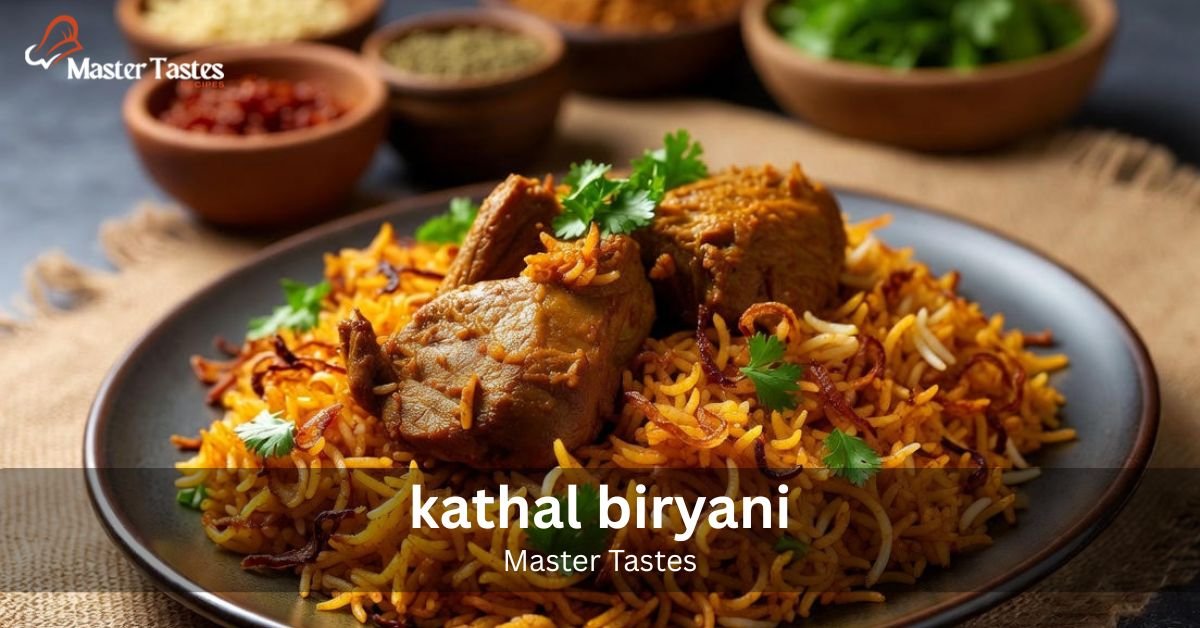
Kathal Biryani is a tasty vegetarian take on the classic biryani dish. It uses young jackfruit pieces that soak up spices well and give a texture close to meat. This makes it a good choice for people who want flavor without animal products. You start with raw jackfruit chopped into bits then marinated in yogurt and a mix of ground spices. Rice gets partially cooked separately with whole spices like cardamom and cloves for aroma. Layers of the jackfruit mix and rice go into a pot sealed for slow cooking which lets everything blend together.
The end result has fragrant rice grains separate yet infused with earthy jackfruit taste plus hints of mint and fried onions. Folks often serve it with raita or salad on the side. If you have fresh jackfruit around this recipe turns it into something special for family meals or gatherings. Sometimes I add a bit more ghee for richness but that’s up to you. It takes about an hour or so from start to finish depending on how fast you chop things.
Ingredients
| Ingredients | For 0.5 kg jackfruit | For 1 kg jackfruit | For 2 kg jackfruit |
|---|---|---|---|
| Raw young jackfruit (chopped) | 0.5 kg | 1 kg | 2 kg |
| Basmati rice | 300 grams (1.5 cups) | 600 grams (3 cups) | 1.2 kg (6 cups) |
| Yogurt (plain) | 150 grams | 300 grams | 600 grams |
| Onions (sliced thin) | 2 medium | 4 medium | 8 medium |
| Tomatoes (chopped) | 2 medium | 4 medium | 8 medium |
| Ginger garlic paste | 1 tablespoon | 2 tablespoons | 4 tablespoons |
| Green chilies (slit) | 2 | 4 | 8 |
| Fresh mint leaves (chopped) | 1/4 cup | 1/2 cup | 1 cup |
| Fresh coriander leaves (chopped) | 1/4 cup | 1/2 cup | 1 cup |
| Ghee or oil | 3 tablespoons | 6 tablespoons | 12 tablespoons |
| Biryani masala powder | 1 tablespoon | 2 tablespoons | 4 tablespoons |
| Red chili powder | 1 teaspoon | 2 teaspoons | 4 teaspoons |
| Turmeric powder | 1/2 teaspoon | 1 teaspoon | 2 teaspoons |
| Salt | To taste | To taste | To taste |
| Whole spices (bay leaf, cinnamon stick 1 inch, cloves 4, green cardamom 4, black cardamom 1, cumin seeds 1 teaspoon) | 1 set | 2 sets | 4 sets |
| Saffron strands (soaked in 2 tablespoons warm milk) | A pinch | 1/4 teaspoon | 1/2 teaspoon |
| Fried onions (for garnish) | 1/2 cup | 1 cup | 2 cups |
| Lemon juice | 1 tablespoon | 2 tablespoons | 4 tablespoons |
| Water (for cooking rice) | 2 liters | 4 liters | 8 liters |

How to Make
- Prep the jackfruit first: oil your hands and knife, peel the skin, remove seeds, and chop into bite-sized pieces. Boil them with a pinch of salt and turmeric for 10 minutes until tender but firm. Drain and set aside.
- Soak basmati rice in water for thirty minutes. Drain it after.
- Heat ghee in a large pan. Add whole spices like bay leaf cinnamon cloves cardamom and cumin. Let them sizzle for a minute.
- Add sliced onions. Fry until golden brown. Take out half for later garnish.
- Mix in ginger garlic paste. Cook for two minutes until raw smell goes away.
- Add chopped tomatoes and green chilies. Stir until tomatoes soften.
- Put in boiled jackfruit pieces. Add red chili powder biryani masala turmeric and salt. Mix well.
- Pour in yogurt. Stir to coat everything. Cook on low heat for fifteen minutes so flavors meld.
If the mixture starts sticking to the pan, add a small splash of water and stir well. - In a separate pot boil water with some whole spices and salt. Add soaked rice. Cook until seventy percent done about eight minutes. Drain.
- Layer half the rice in a heavy bottom pot. Top with jackfruit mixture. Scatter chopped fresh mint and coriander leaves over the layer, add a handful of crispy fried onions, and drizzle the saffron-soaked milk evenly on top.
- Add remaining rice on top. Drizzle lemon juice and a bit more ghee.
- Cover tightly. Cook on low heat for twenty minutes for dum. Turn off heat and let it sit for ten minutes.
- Fluff gently and serve hot.
Tips
- Pick young green jackfruit that’s not ripe yet. Ripe ones are sweet and won’t work here. You can find canned versions in stores if fresh is hard to get just rinse them well.
- Marinate the jackfruit in yogurt and spices for an hour before cooking. This helps it absorb flavors better some people skip this but I think it makes a difference.
- When layering keep the pot sealed tight with dough around the lid or foil. That traps steam and cooks everything evenly.
- Serve with cucumber raita to cool down the spices or a simple salad. It balances the richness.
- If you’re short on time use store bought biryani masala but homemade tastes fresher. Grind your own spices if you can.
- Leftovers stay fresh in the fridge for two to three days. When reheating, sprinkle a little water over the top to keep the rice soft and moist.
- Adjust chilies based on your heat level. Start low and taste as you go.
History of Kathal Biryani
Kathal biryani comes originally from India and is commonly eaten there today especially in places like Uttar Pradesh Kerala and Hyderabad where jackfruit grows plenty. People make it at home for everyday meals or special occasions. Now let’s talk about how this dish came to be.
Origin of Kathal Biryani
Biryani as a dish traces back to ancient times but the version with jackfruit is more recent tied to Indian kitchens. Jackfruit or kathal has been around in India for thousands of years starting in the rainy forests of the Western Ghats down south. Folks there used it in curries and pickles long before biryani showed up. The main biryani idea came from Persia way back when traders and rulers brought it over around the thirteenth century. Mughals in northern India loved it and made fancy versions with meat and rice. But in vegetarian households especially among Hindus who avoided meat they started swapping in veggies.
Jackfruit fit perfectly because its stringy texture feels like pulled meat when cooked. By the eighteenth century or so in places like Awadh cooks experimented with local fruits. That’s how kathal biryani likely started as a clever way to enjoy biryani flavors without breaking dietary rules. It smelled of spices and had that hearty bite making it popular fast. You know sometimes old recipes get lost but this one stuck around through family traditions.
Traditional Ingredients and Methods
In early days kathal biryani used simple stuff from the land. Raw jackfruit was the star picked fresh from trees and chopped by hand. Rice came from local fields often long grain types that stayed fluffy. Spices included cardamom cloves cinnamon and bay leaves roasted whole to release oils. Yogurt from cow milk added tang and helped tenderize the fruit. Onions got fried slow until crisp for crunch and sweetness. Methods were basic over wood fires in clay pots. First boil jackfruit to remove sap then mix with spices and yogurt. Rice boiled half way with herbs.
Layering happened in a big vessel sealed with wheat dough to steam gently. This dum technique let aromas build inside creating deep tastes. Cooks stirred with wooden spoons and tasted along the way. Sensory wise the kitchen filled with warm spice smells and sizzling sounds from ghee. Texture wise jackfruit turned soft yet chewy blending with rice grains. Folks ate it hot off the fire maybe with pickle on the side. I usually imagine those old cooks chatting while it cooked adding a pinch more salt here and there.
Regional Variations
Across India kathal biryani changes based on where you are. In Kerala down south they use more coconut milk instead of yogurt giving it a creamy tropical twist. Jackfruit there is super fresh so they might add curry leaves for that herby kick. Up in Uttar Pradesh versions lean heavier on saffron and nuts like almonds for a royal feel from Mughal influences. Hyderabad style amps up the heat with extra green chilies and layers it thick for dum cooking over coals. That one has a smoky edge you can taste. In Bengal east side they sometimes mix in potatoes with the jackfruit for bulk and use mustard oil for pungency.
Each spot tweaks spices too southern ones lighter northern bolder. Portions vary as well small family pots or big community feasts. You might find street vendors selling it wrapped in banana leaves for on the go eating. These differences come from local crops and tastes but all keep the core of spiced jackfruit and rice. It always turns out a bit different each time depending on the cook.
Cultural Significance
Kathal biryani holds a spot in Indian culture beyond just food. In many homes it’s tied to festivals like Eid or Diwali where vegetarians want something festive. Families gather to prepare it chopping jackfruit together and sharing stories. In Kerala jackfruit season means biryani parties under trees with the fruit’s sticky sap on hands. It symbolizes resourcefulness using what’s abundant to create luxury. Weddings in some regions feature it as a meat free option for guests. During monsoons when fresh produce is plenty it becomes a comfort dish warming against rain.
Customs include offering it at temples as prasad in vegetarian forms. The dish reflects India’s mix of influences from Persian roots to local adaptations. Eating it often involves hands mixing rice and jackfruit for that tactile joy. Smells of cooking fill neighborhoods drawing people in. It’s like a bridge between old traditions and modern diets. Some folks pass recipes down generations adding personal touches. That’s pretty much it for how it fits into daily life and celebrations.
Symbolism in Festivals
In festivals kathal biryani represents abundance. Jackfruit’s large size means plenty for all mirroring harvest themes. During Navratri strict vegetarians choose it over plainer foods for variety. The layering process symbolizes unity different elements coming together.
Family Customs
Families have rituals around making it. Elders teach young ones to pick right jackfruit by thumping for ripeness. Stories get told over the pot about ancestors who first tried the recipe.
How It Spread and Modern Use
Kathal biryani spread through trade and migration within India. As people moved from south to north for work they brought recipes adapting to new spices. British colonial times saw it in railway canteens as cheap filling food. Post independence with more vegetarians it gained fans in cities. Now in modern times it’s popular globally among Indian diaspora in places like the UK or US. Restaurants serve it as a trendy vegan option. Home cooks experiment with shortcuts like pressure cookers instead of dum. Social media shares videos of making it boosting its reach.
Health wise folks like it for fiber from jackfruit. In urban areas frozen jackfruit makes it easy year round. Variations include adding paneer or mushrooms for extra. It evolved from rural dish to fusion food sometimes in tacos or bowls. But core stays the same spiced layers. You know with climate changes jackfruit’s resilience helps it stay relevant. Modern use includes potlucks and parties where it’s a surprise hit for non veggies too.
Global Adaptations
Abroad immigrants tweak it with local ingredients like using olive oil instead of ghee. In America canned jackfruit is common speeding prep.
Health Trends
Today it’s seen as nutritious low calorie alternative to meat biryani. Nutritionists highlight jackfruit’s potassium and vitamins.
Evolution Over Time
Over centuries kathal biryani changed with society. Early on it was basic survival food using wild jackfruit. Mughal era added luxury with saffron and nuts making it courtly. Colonial influences brought tomatoes from the New World into the mix. Independence era saw it in school lunches for affordability. Nineteen eighties green revolution meant more rice varieties improving quality. Nineties liberalization brought imported spices enhancing flavors. Two thousands health wave positioned it as superfood dish. Now with apps recipes get shared instantly evolving faster.
Cooks add fusion like cheese tops or air fryer methods. But traditions hold in villages with wood stoves. Sensory evolution includes bolder colors from better turmeric. Textures got finer with aged rice. It adapted to busy lives with quicker versions. Some people now use organic jackfruit for purity. From humble beginnings it became versatile staple.
Nineteenth Century Shifts
In the eighteen hundreds railroads connected regions spreading regional twists. Printed cookbooks first documented variations.
Twentieth Century Modernization
Electric stoves replaced fires changing cooking times. Packaged masalas simplified steps for working folks.
Role in Vegetarian Cuisine
Kathal biryani shines in India’s vast vegetarian world. It fills the gap for hearty meals mimicking non veg textures. Jains who avoid roots sometimes adapt without onions. In ashrams it’s a common sattvic dish minus strong spices. Vegetarians at mixed tables enjoy it without compromise. It promotes plant based eating subtly. Cooks value jackfruit’s versatility in other dishes too. Culturally it challenges meat centric views showing flavor without animals. In schools it teaches kids about local produce. Festivals highlight it as inclusive option. Modern vegans embrace it for ethics. The dish encourages seasonal eating when jackfruit ripens. You might find it in diet plans for protein. Overall it boosts vegetarian pride.
Jain Adaptations
Jains remove garlic and onions using asafoetida instead. This keeps it pure yet tasty.
Vegan Twists
Dairy free versions swap yogurt with coconut versions maintaining creaminess.
Influence from Other Cuisines
Other foods shaped kathal biryani. Persian pilaf gave the rice layering base. Arabic spices like cardamom came via trade. South Asian neighbors added heat from chilies. Portuguese introduced frying techniques for onions. Chinese stir fry ideas influenced quick jackfruit cooking. European baking inspired sealed dum like ovens. Now global fusion adds quinoa instead of rice. But Indian core remains. These mixes happened over invasions and travels. Sensory wise foreign nuts like cashews added crunch. It borrowed and gave back influencing Thai jackfruit curries. Cooks blend naturally without thinking.
Middle Eastern Links
Pilaf from there directly led to biryani’s birth. Spices traveled silk roads.
European Touches
Colonial breads sometimes pair with it now but originally potatoes from them joined in.
Famous Variations and Chefs
Some standout versions exist. Hyderabadi kathal biryani is fiery and layered thick known for aroma. Lucknowi is milder with kewra water for fragrance. Celebrity chefs like Sanjeev Kapoor popularized it on TV with easy steps. In Kerala Moplah style uses ghee liberally. Home chefs on YouTube share secrets like double marination. Famous eateries in Delhi serve street style with extra chaat masala. Variations include stuffed jackfruit or baked ones. Chefs experiment for contests. It gains fame in food festivals. Each brings personal flair.
Celebrity Recipes
Kapoor’s version adds rose petals for elegance. Others use smoked essence.
Street Food Takes
Vendors fry jackfruit crispier for texture contrast in portable packs.
Economic and Social Impact
Kathal biryani affects livelihoods. Jackfruit farmers benefit from demand especially in rural Kerala. Markets sell pre chopped for convenience. Women entrepreneurs make masala mixes. Socially it unites communities at feasts. In poverty areas it’s nutritious affordable meal. Tourism promotes it in homestays. Exports of canned jackfruit spread it. Environmentally sustainable as trees need little water. Social programs teach making it for income. Impact grows with popularity.
Farming Benefits
Cultivation provides jobs in harvesting and processing.
Community Bonds
Shared cooking strengthens ties in villages.
That’s pretty much it I guess. It always turns out a bit different each time based on the spices you have on hand.
FAQ’s
Easy Gongura Chicken Biryani Recipe Step by Step
Which jackfruit should I buy for this biryani?
Get the raw green one that is still hard and not sweet. If it smells fruity skip it. Markets sell it whole or in pieces during season.
How do you stop the sticky mess when cutting jackfruit?
Rub oil on your knife and hands first. Spread newspaper on the counter. Cut fast and wash everything right after. Some shops sell cleaned chunks now.
Do I have to boil the jackfruit before adding to masala?
Yes boil for eight to ten minutes with a pinch of salt. It gets rid of the raw taste and makes pieces soft enough to take in spices.
What if I don’t have biryani masala at home?
Mix garam masala with a bit of coriander powder and cumin. Add extra cardamom if you have it. Works fine in a pinch.
Can I make this biryani in instant pot?
Sure sauté the masala then add boiled jackfruit and rice with less water. Seal and cook on rice mode or manual for six minutes. Let pressure drop on its own.
Why does my rice get mushy sometimes?
You probably cooked it too long before layering or added too much water. Parboil only till seventy percent done and drain well.
What can I use instead of ghee?
Any neutral oil or even butter. Coconut oil gives a south Indian touch if you like that.
How do I get that restaurant style smoky flavor?
Heat a piece of coal till red put it in a small bowl inside the pot. Drizzle ghee on coal cover quick for five minutes. Careful with smoke.
Is it okay to make this a day ahead?
Yes it tastes even better next day. Cool it fast store in fridge and reheat slowly with little water sprinkled on top.
Can kids eat kathal biryani?
Of course just cut down green chilies and red powder. They like the mild version with extra yogurt on side.
Follow our social media Accounts for updates: