

Mango Sauce
01
Daab Chingri
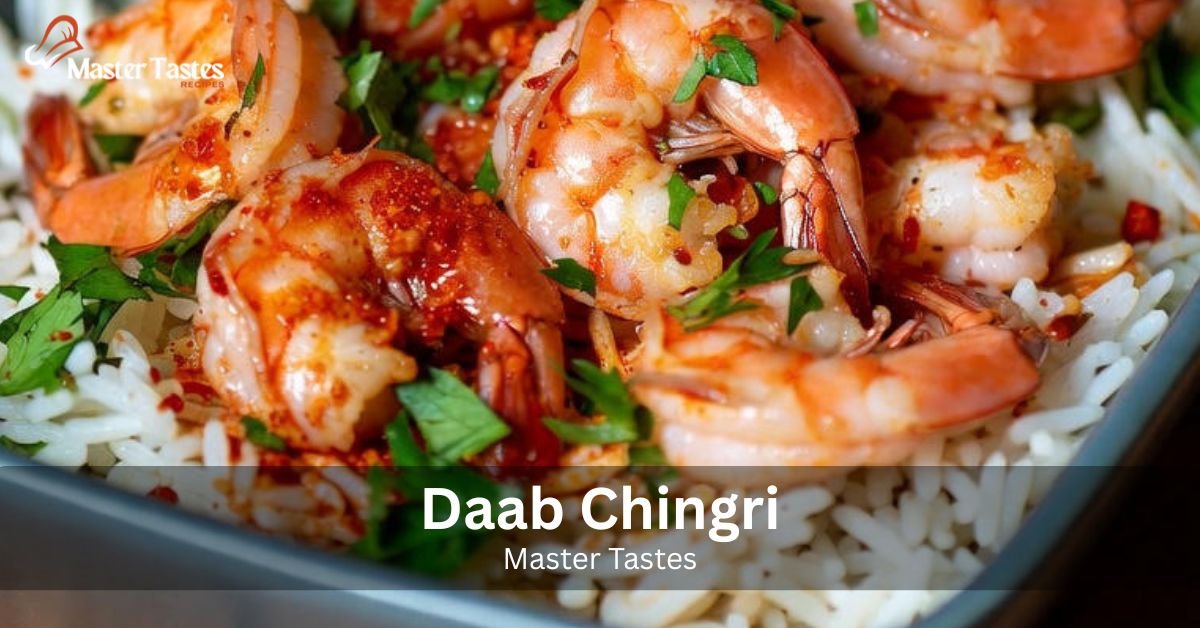
Daab Chingri is a beautiful Bengali prawn dish that gets cooked inside a green tender coconut. You clean fresh prawns and mix them with a spicy mustard paste along with some ginger garlic green chili and a little turmeric. Everything goes back into the empty coconut shell together with the soft coconut flesh and some of that sweet coconut water. Close the top with a simple flour dough cover and then slowly steam or bake it. The prawns turn super soft and soak up all the sharp mustard flavor plus the gentle sweetness of the coconut.
It tastes rich creamy and lightly hot all at the same time. People make it for Sunday lunch or when guests come over because it looks special when you cut open the coconut at the table. Prep is around thirty minutes and cooking needs about forty five minutes to an hour depending on whether you steam or bake. The smell that fills the kitchen is amazing and the prawns stay juicy with little bits of tender coconut in every bite. Most folks serve it straight from the shell with plain hot rice. Simple tasty and always feels like home.
Ingredients
| Ingredient | 0.5 kg Quantity | 1 kg Quantity | 2 kg Quantity |
|---|---|---|---|
| Fresh prawns (cleaned and deveined) | 0.5 kg | 1 kg | 2 kg |
| Tender coconuts (with water) | 2 medium | 4 medium | 8 medium |
| Black mustard seeds (for paste) | 2 tablespoons | 4 tablespoons | 8 tablespoons |
| Green chilies (slit) | 4 to 6 | 8 to 12 | 16 to 24 |
| Onion (finely chopped) | 1 large | 2 large | 4 large |
| Garlic paste | 1 tablespoon | 2 tablespoons | 4 tablespoons |
| Ginger paste | 1 tablespoon | 2 tablespoons | 4 tablespoons |
| Turmeric powder | 1 teaspoon | 2 teaspoons | 4 teaspoons |
| Salt | 1 teaspoon or to taste | 2 teaspoons or to taste | 4 teaspoons or to taste |
| Sugar | 1 teaspoon | 2 teaspoons | 4 teaspoons |
| Mustard oil | 2 tablespoons | 4 tablespoons | 8 tablespoons |
| Panch phoron (Bengali five spice) | 1 teaspoon | 2 teaspoons | 4 teaspoons |
| Fresh coconut (grated from the daab) | 4 tablespoons | 8 tablespoons | 16 tablespoons |
| Coconut water (from the daab) | 200 ml | 400 ml | 800 ml |

How to Make
- Start by cleaning the prawns. Remove shells and devein them under running water. Pat dry with a cloth.
- Open the tender coconuts carefully. Drain the water into a bowl and scoop out some soft flesh. Grate it if needed.
- Make mustard paste. Soak mustard seeds in water for ten minutes then grind with a bit of salt and green chili.
- Mix prawns with mustard paste ginger paste garlic paste turmeric salt sugar and a splash of mustard oil. Let it sit for twenty minutes.
- Heat remaining mustard oil in a pan. Put in the panch phoron and let it crackle in the hot oil for a few seconds.
- Add the chopped onions and cook them till they turn soft and get a nice golden colour.
- Add marinated prawns to the pan. Cook on medium heat for three to five minutes stirring gently.
- Pour in coconut water and grated coconut. Simmer for another two minutes.
- Stuff the mixture back into the empty coconut shells. Leave some space at the top.
- Seal the opening with dough made from flour and water.
- Place sealed coconuts in a preheated oven at 180 degrees Celsius. Bake for thirty to forty minutes.
- Or steam them in a pressure cooker without whistle for twenty minutes on low flame.
- Check if prawns are cooked through. They should be opaque and firm.
- Open the seal carefully. Serve the prawns with the sauce from inside.
Tips
- Pick tender coconuts that feel heavy with water. Shake them to hear the slosh that means they are fresh.
- If the mustard paste tastes too bitter soak the seeds longer or add a pinch of sugar while grinding.
- Marinate prawns overnight in the fridge for deeper flavor but do not overdo it or they get mushy.
- Use a sharp knife to cut the top of the coconut. Some people use a machete but a kitchen knife works fine if you are careful.
- Serve with steamed rice and maybe a side of lemon wedges to cut the richness.
- If baking watch the time closely. Ovens vary so check at thirty minutes to avoid overcooking.
- Any leftover daab chingri stays good in the fridge for one day. Reheat gently in microwave with a splash of water.
- Adjust green chilies based on how hot you like it. I usually start with fewer and taste as I go.
- For a thicker sauce add more grated coconut toward the end of simmering.
History of Daab Chingri
Daab chingri belongs to Bengal, the area that today lies partly in India and partly in Bangladesh. It started in what we call West Bengal in India and parts of Bangladesh where rivers and coasts give plenty of prawns and coconuts. This dish is most famous in Kolkata and Dhaka and people eat it at home or in restaurants during festivals or family gatherings. Everyone loves the mix of sea taste and tropical sweetness that gets passed down through generations. You know that smell of mustard and coconut steam is what pulls people in every time. Over time it turned into an everyday Bengali favourite because it perfectly captures the region’s passion for fresh seafood cooked in nature’s own pot.
Origin of Daab Chingri
This dish goes back to the eighteenth century in Bengal when the area saw British rule but kept older Mughal and local ways. Prawns were everywhere in the deltas of Ganges and Brahmaputra rivers so people used them daily. Cooking inside a coconut probably started with village cooks who had tender daabs growing nearby. They wanted to trap flavors without fancy pots. First versions were plain just prawns and basic spices steamed over wood fires.
When trade brought more spices from other parts of India mustard took center stage for its strong bite. Picture early cooks in small kitchens with smoke rising and sweet coconut scent filling the air. It began as simple food for fishing families to make something filling. Over many years the recipe got better with marination steps that made taste deeper.
Traditional Ingredients and Methods
True daab chingri only works with prawns that come straight from the river or sea and get cleaned quickly so they stay firm and springy. Mustard paste made from black seeds gives the main sharp flavor softened by coconut water. Turmeric gives the whole dish a beautiful yellow glow and a gentle earthy taste of soil while salt and sugar make sure nothing feels too sharp or too sweet. Panch phoron mix of five seeds pops in hot oil to start the aroma. Old way is to stuff the mix in daab seal with dough and cook slow.
People used clay ovens or steamed over coals for hours so juices blend nicely. The coconut shell acts just like a cooking pot and gives a soft sweet creaminess that reaches every single bite. You hear spices crackle then soft bubble inside the shell. This keeps prawns juicy and soft never dry. Some very old recipes skip frying and only marinate but most lightly cook first.
Regional Variations
In Kolkata and nearby areas of West Bengal, folks love adding a bit more mustard oil to give a bolder flavour, and many also mix in poppy seeds to make the gravy nice and thick. Down in Sunderbans wild prawns and wild honey replace sugar for forest feel. Near Assam border some add bamboo shoots or fermented fish but that moves away from original.
City restaurants now bake in ovens or even add cheese. Village homes stay simple with fewer spices and trust fresh daab. Every place changes a little based on what grows nearby hotter chilies down south or milder up north. Some like soupy gravy others want it thick. I think Kolkata style wins for perfect spice and sweet mix. All these small changes keep the dish alive.
Sunderbans Twist
In the mangrove forests of Sunderbans people use prawns caught same day often small and salty from brackish water. They sometimes skip panch phoron and add gondhoraj lemon leaves for fresh citrus smell. Daab gets sealed tight and cooked over mangrove wood fire for light smoke. This version tastes wilder with earth from the forest.
Urban Fusion in Cities
Big cities like Kolkata or Dhaka now bake in ovens for speed or add fresh cream for richness. Restaurants put colorful veggies inside for looks. It still keeps heart of the dish but fits busy life. Smell of mustard and coconut stays exactly same.
Cultural Significance
Daab chingri has special place in Bengali celebrations for Durga Puja or Pohela Boishakh new year. People make daab chingri whenever the whole family comes together, to celebrate the generous gifts of river prawns and coconut trees. Weddings often serve it because sealed daab feels like unity and happy surprise. Old stories connect it to river gods blessing fishermen. Eating it brings feeling of home learned from mothers in kitchen. Breaking open daab makes meal exciting like small show. Monsoon time when prawns are fat makes it seasonal treat. People talk recipes at market sharing best way to grind mustard. It shows Bengali love for food that feels like poetry. Every bite carries warmth from past generations. Today diaspora families cook it far away to remember roots.
Festival Roles
During Durga Puja street stalls sell daab chingri next to sweets and steam pulls crowds. It goes with prayers for good luck. Everyone shares plates and laughs together.
Wedding Customs
At weddings groom family sometimes brings daab chingri as gift to show effort. It sits on big thali with other food meaning sweet and spicy life ahead. Guests talk about soft prawns for years.
How It Spread and Modern Use
From Bengal daab chingri traveled with people moving for work in nineteenth century. British officers tasted it and wrote notes that made others curious. After independence restaurants in Delhi Mumbai put it on menu with milder mustard for new customers. Today Bengalis abroad in America or England use canned coconut water when fresh daab is hard to find. Fancy chefs swap prawns for lobster in high end places. Food blogs show step pictures so anyone can try. Change keeps original taste but fits busy days. Sometimes served without shell for easy eating. I still prefer old way but like new ideas too. It moved from village food to restaurant star.
Migration Influence
When Bengalis left home for jobs in 1900s they took recipes along. Community parties in London or New York served daab chingri and introduced friends to Bengali flavor. People used local seafood but coconut stayed same.
Global Adaptations
Far away cooks use oven bags instead of real daab hard to get. Online recipes add Thai chili or other twists. It helps people far from home feel close with same smell and taste.
Evolution Through Centuries
Nineteenth and twentieth century brought gas stove instead wood fire for even heat. After independence more spices came easy so gravy got richer. In 1980s tourists in Bengal loved it and hotels started serving. Now social media shows fast ways and young cooks learn quick. Core stays prawns in coconut but some add tomato or less oil for health. Sound of seal breaking changed from surprise to happy moment. Every time adds new layer yet feels timeless.
19th Century Changes
British time rich families used better turmeric from trade. Old cookbooks wrote party versions served from silver bowl after cooking in daab.
20th Century Modernization
After war electric ovens made baking simple and fast. Magazines printed recipe so people outside Bengal could follow exact steps.
Influence on Bengali Cuisine
Daab chingri did not stay just one dish. It quietly changed the whole way Bengali people cook with coconut. After everyone saw how nicely the prawn picks up the sweet water and soft flesh inside the shell, cooks started pouring coconut milk into fish curries, vegetable stews, even chicken gravy. You will hardly find a proper Bengali kitchen today that does not have at least one coconut-based curry on the Sunday menu.
The idea of stuffing something and cooking it sealed also jumped to other things big potol gets filled with prawns or poppy-seed paste, green bananas get stuffed with fish, even cauliflower in winter gets a coconut stuffing before steaming. All these little everyday dishes carry the memory of daab chingri even when no one says the name. The dish also reminds everyone that Bengal stays wet and green for a reason rivers bring prawns, rains grow coconut trees, and together they make food taste like the land itself. When the air is thick with monsoon smell, a bowl of anything cooked in coconut feels exactly right.
Literary Mentions
Bengali writers love food almost as much as they love rain and rivers. In many old novels and short stories from Tagore time or after, when the family sits down for a big meal, daab chingri appears on the table. The writer never explains the recipe, he just says the green coconut was placed in the middle and when the top came off everyone went quiet for a second because of the steam and the smell. That mustard-coconut cloud rising up becomes a picture of home, of childhood, of mothers calling from the kitchen. Even today if you read those pages you can almost smell it. Some poets call the smell “yellow mist” or “white thunder”. Simple lines but they stay with you the same way the taste does.
Culinary Inspirations
Young chefs in Kolkata cafes now play with the old idea in new ways. One popular place mixes the same prawn and mustard paste with pasta and finishes it with coconut cream sounds strange but when you eat it you smile because the heart is still daab chingri. Others take the sealing trick and wrap spiced paneer or chicken in banana leaf, tie it tight and bake same soft juicy result. Home cooks do smaller things they steam fish wrapped in pumpkin leaf with a spoon of coconut inside, or stuff a whole pomfret with the same green masala and cook it sealed.
Restaurants that care about seasons write on the menu “daab chingri only available June to October because that is when both prawn and tender coconut taste best. All these new dishes keep turning back to the same simple thought lock the flavor inside something natural and let it cook slowly. That thought started with one green coconut full of prawns many years ago and it is still growing.
Preservation Efforts
These days a lot of people in Bengal are working hard to keep the old ways of making daab chingri alive. Small groups and food lovers organize workshops where aunties and uncles teach kids how to grind black mustard seeds on a traditional stone so the paste tastes exactly like grandma used to make. During local festivals you can watch live demos of cutting the daab stuffing the prawn mix and sealing it with dough right in front of everyone. With climate change making coconut trees suffer some farmers now grow organic palms that give better sweeter water and stronger shells. Family recipes that used to stay only in notebooks are now saved on websites and apps so nobody loses them. Home cooks still chat on WhatsApp groups and Facebook pages swapping little tricks like how much sugar cuts the bitterness. Because so many people care the dish keeps breathing and stays part of daily life.
Community Workshops
Almost every village near Kolkata or in the districts has weekend classes now. Kids stand around a mat while an experienced cook shows how to pick a good daab by shaking it and how to seal the top so no steam escapes. They get to try their hands at stuffing and everyone claps when the first daab goes into the steamer. These sessions make children proud of their food and they go home telling their parents I want to cook daab chingri next Sunday.
Sustainable Practices
Young farmers are planting new coconut groves using only natural compost and no chemicals because they know the real taste comes from healthy trees. Some sell directly to city shops with a label that says grown for daab chingri so buyers trust the quality. Restaurants and home cooks happily pay a bit extra for these coconuts because the water tastes cleaner and the flesh stays soft and creamy. Little steps like this make sure we can still enjoy the same dish our grandparents loved.
Thats the full story of daab chingri I guess. Every time I make it the taste changes a little depending on how fresh the prawns and coconut are but thats exactly what makes it special.
FAQ’s
What is daab chingri exactly?
Daab chingri is prawns cooked with mustard paste and spices inside a green coconut. The coconut water and malai make everything creamy and mustard gives that nice sharp taste. Pure Bengali dish best eaten with rice straight from the coconut.
Can I make daab chingri without the coconut shell?
Yes totally. Just take the same masala and prawns put in a small steel box or bowl cover tightly with foil and bake or steam. Add little extra coconut water and malai so taste stays almost same.
Why my mustard paste tastes bitter?
Black mustard becomes bitter if grinder gets hot. Soak seeds twenty thirty minutes and grind with one green chilli and pinch salt. Little sugar fixes the bitterness.
Which prawns are good for daab chingri?
Medium fresh prawns from river or sea are perfect. Golda is traditional but normal tiger or bagda also tastes great. Just make sure they are very fresh.
How to open tender coconut without wasting water?
Keep a big bowl below. Take heavy knife hit around the top in circle two inch from tip twist and pull cap. Water falls clean in bowl.
Can I make it before time?
Marinate prawns and keep masala ready one day before. Stuff the coconut only when you are about to cook.
My family hates mustard what to do?
Use posto paste and little cashew paste instead. Becomes soft and creamy still feels very Bengali.
How long leftover daab chingri stays good?
One day in fridge max. Reheat slowly with little water else prawns become hard.
Is daab chingri too spicy?
It has mustard bite and chilli but coconut makes it sweet too. Put chilli as per your taste mild or hot both work.
Where to find tender coconut outside Bengal?
Big Indian stores Asian shops and even normal supermarket in summer keep green coconut. Many places deliver online also.
Follow our social media Accounts for updates:




One thought on “Daab Chingri”