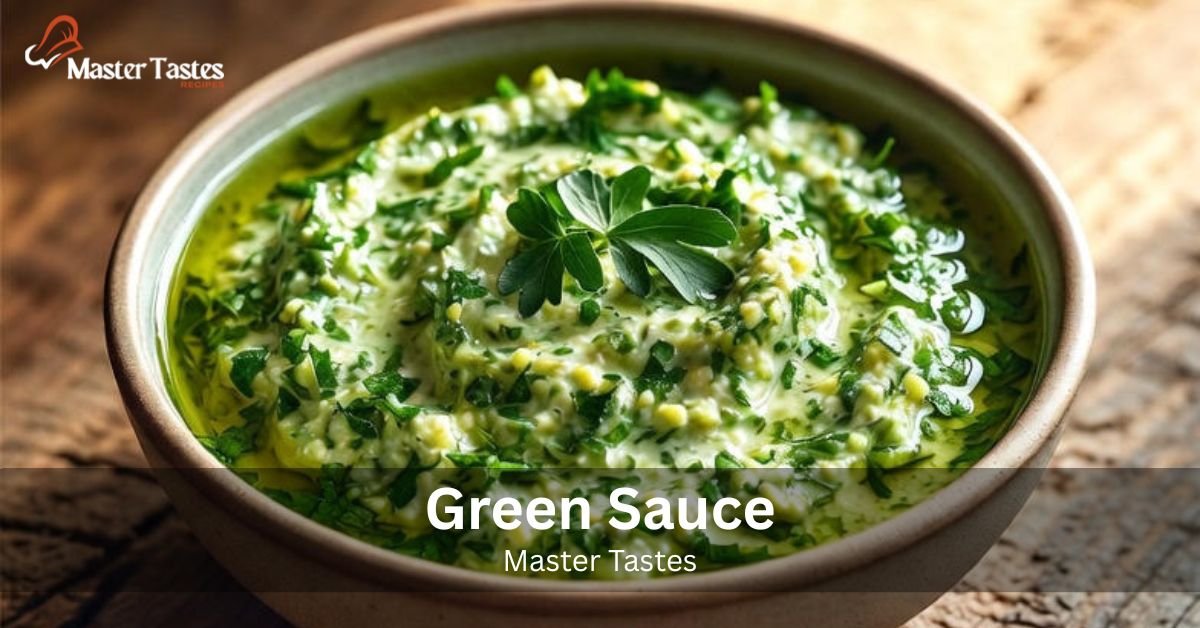
Cucumber Sauce

Cucumber sauce is a cool and easy dip you can serve with lots of different foods. You prepare it by grating fresh cucumbers then blending them with yogurt garlic and some herbs. It goes really well next to grilled meat or vegetables and tastes nice spread on sandwiches too. Many people look for simple home versions because it comes together fast and only needs everyday kitchen stuff. When you have extra cucumbers sitting around this turns them into something useful and good to eat. The finished sauce feels smooth and creamy in your mouth with a little sour kick from lemon and a gentle sharpness from the garlic.
Feel free to tweak the tastes however you want perhaps throw in extra dill if you enjoy that. A few people keep it thick for scooping while others make it thinner to pour over plates. It keeps fine in the fridge for several days which means you can get it ready early. All in all it offers a basic way to bring bright fresh notes to whatever you are eating without any hassle.
Ingredients
| Ingredient | For 0.5 kg | For 1 kg | For 2 kg |
|---|---|---|---|
| Cucumbers (grated and drained) | 300 grams | 600 grams | 1200 grams |
| Greek yogurt | 200 grams | 400 grams | 800 grams |
| Garlic (minced) | 10 grams (about 2 cloves) | 20 grams (about 4 cloves) | 40 grams (about 8 cloves) |
| Fresh dill (chopped) | 5 grams | 10 grams | 20 grams |
| Lemon juice | 20 ml | 40 ml | 80 ml |
| Olive oil | 10 ml | 20 ml | 40 ml |
| Salt | 1 teaspoon | 2 teaspoons | 4 teaspoons |
| Black pepper (ground) | 0.5 teaspoon | 1 teaspoon | 2 teaspoons |

How to Make
- Start by washing the cucumbers well.
- Grate them using a box grater on the coarse side.
- Sprinkle salt over the grated cucumber and let it sit for fifteen minutes to draw out water.
- Squeeze the cucumber in a clean towel to remove as much liquid as possible.
- Mince the garlic finely.
- Chop the fresh dill into small pieces.
- Put the squeezed cucumber into a bowl with the yogurt and mix them well.
- Add the minced garlic chopped dill lemon juice olive oil salt and pepper.
- Stir everything together until combined.
- Taste and adjust seasoning if needed like more salt or lemon.
- Cover the bowl and chill in the fridge for at least thirty minutes before serving.
Tips
- Grate the cucumbers ahead of time and drain them thoroughly otherwise the sauce gets too watery.
- Use full fat Greek yogurt for a creamier texture low fat works but its thinner.
- If you dont have fresh dill dried dill is okay just use half the amount since its stronger.
- Add a pinch of cumin or mint for a different twist sometimes I do that for variety.
- Serve it cold with pita bread grilled chicken or as a topping for burgers.
- It lasts up to three days in the fridge stir it before using as it might separate a bit.
- For bigger batches double check the draining step it takes longer with more cucumber.
- You know if the garlic is too strong let it sit overnight to mellow out.
History of Cucumber Sauce
Cucumber sauce has roots in ancient culinary traditions blending simple ingredients into refreshing dips. Over time it became a staple in many kitchens around the world. This section looks at how it started and changed through different cultures. Originally from regions in West Asia and Southeastern Europe especially around what is now Turkey and Greece. Today people eat it commonly in Mediterranean countries like Greece Turkey and parts of the Middle East plus its popular globally in places with diverse food scenes such as the United States and Europe.
Origin of Cucumber Sauce
Cucumbers first grew wild in northern India thousands of years ago around 3000 BCE. People there started using them in cool mixtures to beat the heat. Early versions mixed cucumber with yogurt or similar dairy to make soothing sides. As trade routes opened cucumbers spread west to Persia by 500 BCE. There Persians called grating or chopping cucumber “zhazh” which later influenced names for the sauce. By the time of the ancient Greeks around 400 BCE records show cucumber in meals often with garlic and herbs for flavor.
The sauce likely began as a way to preserve yogurt and add freshness during hot summers. You can imagine early cooks squeezing water from grated cucumber to mix with thick yogurt creating that creamy base. Sensory wise it brought a crisp cool taste against spicy or heavy foods. This basic idea traveled with merchants and armies shaping what we know today.
Early References in Ancient Texts
Old cookbooks give clues about cucumber sauce. One of the earliest mentions comes from the Kitab al-Tabikh an Arabic text from the 10th century during the Abbasid Caliphate in Baghdad. It describes a dish with yogurt cucumber garlic and mint cooled for meals. This shows the sauce was already refined by then. In Persian writings from the same era poets talked about cool cucumber dips served at banquets to refresh palates.
The texture was key smooth yogurt with crunchy bits of cucumber offering contrast. Greek texts from Byzantine times around 500 CE note similar mixtures used in taverns. Cooks probably experimented in markets adding local spices. It smelled fresh like cut grass with a garlic edge. Such references highlight how the sauce fit into daily life helping with digestion after rich feasts.
Influence from Persian and Arabic Cuisines
Persia played a big role in shaping cucumber sauce. By the 7th century under the Sasanian Empire cucumbers were common in gardens. People mixed them with yogurt flavored with rose water or saffron for elegance. When Arabs conquered Persia they adopted these ideas blending them with their own. Arabic cooks added lemon for zest making the sauce brighter. The taste evolved to include more acidity cutting through fatty meats. In markets vendors sold versions with varying herbs like coriander.
The aroma was inviting a mix of citrus and earth. This exchange happened along Silk Road paths where travelers shared recipes. By the 12th century variations appeared in North Africa too. It felt light on the tongue with a subtle creaminess. Such influences made the sauce versatile suiting different climates. Cooks passed tips orally like salting cucumber to avoid sogginess.
Development in Ottoman Empire
The Ottoman Empire from the 14th to 20th centuries unified many versions of cucumber sauce. In Istanbul kitchens combined Greek Turkish and Persian styles. They called it cacık in Turkish often thinned as a soup. Chefs used strained yogurt for thickness adding olive oil for shine. The empire’s vast reach spread it to Balkans and Levant. During summer months it cooled down spicy kebabs. The sound of grating cucumbers echoed in busy households.
Textures varied some chunky others smooth based on preference. Sultans enjoyed fancier takes with nuts or fruits. It evolved with new ingredients like dill from Europe. The smell filled rooms fresh and garlicky drawing people to tables. This period solidified the sauce as a communal dish shared at gatherings. Recipes were adapted for feasts making larger batches.
Subtle Changes in Court Kitchens
In Ottoman palaces cooks refined the sauce for royalty. They used finer yogurt from special herds and imported lemons. Portions were small elegant with garnishes like mint leaves. This version was less garlicky more subtle to suit refined tastes.
Greek Version Tzatziki
Greece embraced cucumber sauce as tzatziki by the 19th century. After independence from Ottomans locals emphasized fresh dill and garlic. Island versions used local yogurt thick and tangy. It paired with souvlaki or meze platters. The crunch of cucumber against soft yogurt delighted eaters. In villages women made it weekly using homegrown produce. The evolution included more lemon for zing reflecting Mediterranean flavors. Tzatziki became a symbol of simple Greek fare. You could hear laughter over shared bowls at tavernas.
Modern Greeks keep it traditional but some add vinegar for extra tang. The scent is herbaceous with a yogurt undertone. This form spread with Greek diaspora to new lands.
Island Adaptations
On Greek islands like Crete they incorporate wild herbs or capers. This adds a briny note changing the flavor profile slightly. Portions are generous served with bread.
Turkish Cacık
In Turkey cacık remains close to its Ottoman roots. Often served as a cold soup thinned with water. Turks use mint more than dill for a cooler taste. Street vendors offer it with pide bread. The texture is lighter almost drinkable. During Ramadan it breaks fasts gently. Evolution saw additions like chili flakes for heat. The aroma is minty fresh with garlic hints. Families make big pots for picnics. It spread to neighboring countries through migration. You feel the coolness on hot days relieving thirst.
Variations in Anatolia
In eastern Turkey they add bulgur or chickpeas for heartiness. This turns it into a meal rather than dip. Flavors get earthier with these extras.
Regional Variations in Balkans
Balkans adopted cucumber sauce during Ottoman rule. In Bulgaria its called snezhanka with walnuts for crunch. Serbians make it spicier with paprika. Each area tweaks ingredients based on whats available. The base stays yogurt and cucumber but herbs vary. Textures range from thick to soupy. It appears at weddings and holidays. The taste adapts to local cuisines blending seamlessly. Sounds of mixing fill kitchens during prep. Evolution came with independence movements preserving unique twists.
Albanian Take
Albanians call it salcë kastraveci often with onions for bite. Served with grilled fish it adds freshness. Simple and quick to make.
Cultural Significance in Mediterranean
In Mediterranean life cucumber sauce holds a spot in social rituals. Greeks serve tzatziki at Easter feasts symbolizing renewal. Turks enjoy cacık during family iftars in Ramadan. It represents hospitality offered to guests first. Festivals feature it in meze spreads fostering community. The cool taste contrasts warm climates. Culturally it ties to health beliefs aiding digestion. You smell it at markets drawing crowds. Over time it became part of identity passed down generations.
Festival Roles
At Greek panigiria village fairs bowls of tzatziki accompany music and dance. It keeps energy up without heaviness.
How It Spread and Modern Use
With migration in the 20th century cucumber sauce went global. Greek and Turkish immigrants brought it to America in the 1920s. There it appeared in diners as gyro topping. Europeans took it to Australia post WWII. Modern twists include vegan versions with plant yogurt. In supermarkets ready made jars sell well. The flavor remains refreshing but now pairs with fusion foods like tacos. Evolution continues with health trends highlighting probiotics. You taste variations in food trucks worldwide. It adapts easily keeping core elements.
Global Fusion Examples
In the US some add avocado for creaminess. This blends Mexican and Greek styles. Popular in California cafes.
Influence on Health and Diet Trends
Recently cucumber sauce gained attention for health benefits. Yogurt provides probiotics cucumber adds hydration. Diets like keto use it for low carbs. In the 2000s Greek yogurt boom spotlighted tzatziki. People make it at home for wellness. The light feel suits summer meals. Sensory appeal lies in its cooling effect. Spread through social media recipes go viral.
Dietary Adaptations
For vegans coconut yogurt replaces dairy. This keeps the essence while fitting restrictions. Tastes similar with a tropical hint. Thats pretty much it I guess. It always turns out a bit different each time depending on the cucumbers you use.
FAQ’s
What is cucumber sauce made of?
Take a cucumber grate it fine and mix with yogurt. Put in some garlic dill lemon juice little olive oil salt and pepper. Thats it for the basic fresh taste.
How do you keep cucumber sauce from getting watery?
Salt the grated cucumber wait about fifteen minutes. Squeeze hard in a towel. That pulls the water out and sauce stays thick.
Can you make cucumber sauce without yogurt?
Yeah sour cream works good if you like thick. Or use any vegan yogurt no milk needed. Still comes out fine.
How long does homemade cucumber sauce last in the fridge?
Keeps three four days in a bowl with lid. Stir quick before eat it separates sometimes.
Is cucumber sauce the same as tzatziki?
Almost yes. Tzatziki Greek style more garlic dill usually. Other kinds maybe mint but same thing really.
Can you freeze cucumber sauce?
No freezer makes it bad. Yogurt goes watery lumpy. Just make small amount fresh.
What do you eat cucumber sauce with?
Good next to grilled chicken lamb veggie sticks pita. People put on sandwich wrap potato too.
How do you make cucumber sauce thicker?
Buy Greek yogurt squeeze cucumber dry good. Still thin add bit more yogurt chill longer.
Do you peel cucumbers for cucumber sauce?
No unless skin tough. Keep on for green look little crunch. Wash good grate.
Can you make cucumber sauce ahead of time?
Yes do it day before. Tastes better after fridge time garlic calm down flavors mix nice.
Follow our social media Accounts for updates: