Chicken Pan Fried Momos
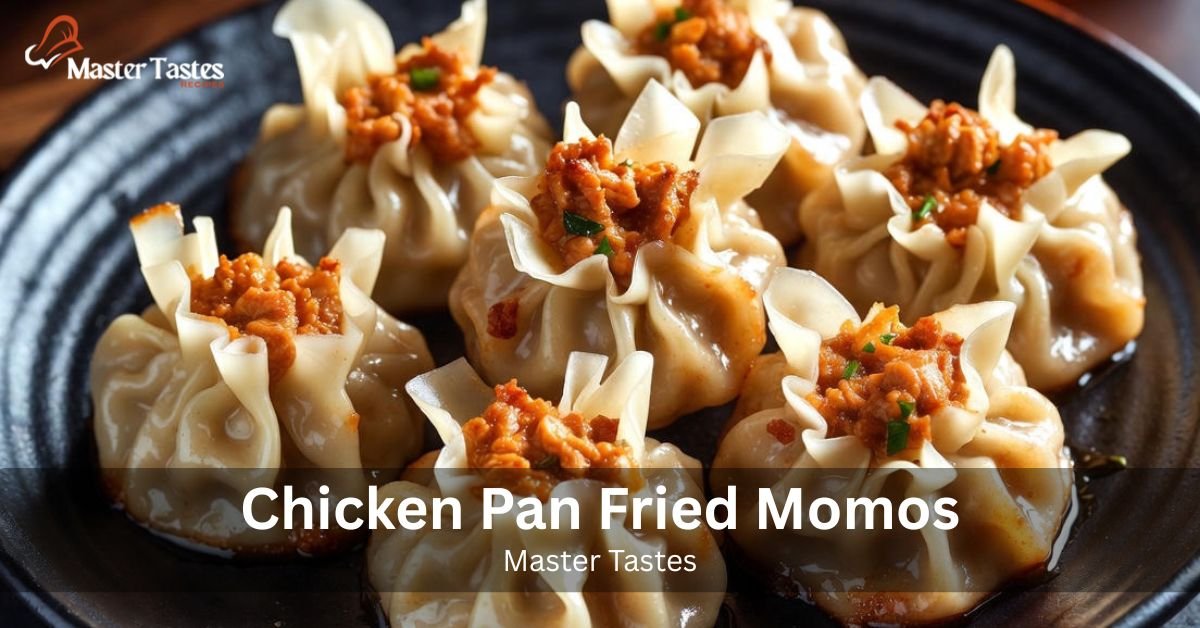
Chicken Pan Fried Momos are a tasty twist on the classic steamed dumplings. You get that juicy chicken filling wrapped in a thin dough then crisped up in a pan for extra texture. Its a quick snack or meal that many people enjoy at home or from street vendors. This recipe keeps things straightforward so you can make them without much hassle. Start with fresh ground chicken mixed with simple spices onions and garlic for flavor.
The pan frying gives a golden crunch on the outside while keeping the inside soft and flavorful. You might serve them with a spicy dipping sauce to add some kick. If youre new to making momos dont worry the steps are easy to follow and you can adjust the spice level to your taste. Sometimes I add a bit more ginger for that warm zing. These are great for parties or just a cozy dinner. They smell amazing while cooking filling the kitchen with savory aromas.
Ingredients
| Ingredients | 0.5 kg Chicken | 1 kg Chicken | 2 kg Chicken |
|---|---|---|---|
| All-purpose flour (for wrappers) | 250 grams | 500 grams | 1 kg |
| Water (for dough) | 125 ml | 250 ml | 500 ml |
| Ground chicken | 0.5 kg | 1 kg | 2 kg |
| Finely chopped onions | 100 grams (about 1 medium) | 200 grams (about 2 medium) | 400 grams (about 4 medium) |
| Minced garlic | 2 cloves | 4 cloves | 8 cloves |
| Grated ginger | 1 tablespoon | 2 tablespoons | 4 tablespoons |
| Soy sauce | 1 tablespoon | 2 tablespoons | 4 tablespoons |
| Salt | 1 teaspoon | 2 teaspoons | 4 teaspoons |
| Black pepper powder | 0.5 teaspoon | 1 teaspoon | 2 teaspoons |
| Chopped green onions | 2 tablespoons | 4 tablespoons | 8 tablespoons |
| Vegetable oil (for filling) | 1 tablespoon | 2 tablespoons | 4 tablespoons |
| Vegetable oil (for pan frying) | 2 tablespoons | 4 tablespoons | 8 tablespoons |

How to Make
- Mix flour and water in a bowl to form a smooth dough. Knead for five minutes until elastic.
- Cover the dough with a clean damp cloth and leave it to rest for about thirty minutes.
- Combine ground chicken onions garlic ginger soy sauce salt pepper green onions and one tablespoon oil in a large bowl.
- Mix everything well by hand until the filling is even and sticky.
- Split the dough into small pieces, each about the size of a walnut.
- Roll each ball into a thin circle around four inches wide using a rolling pin.
- Put a spoonful of filling right in the middle of each dough circle.
- Fold the edges together to seal pinching pleats along the top to make a half-moon shape.
- Put a little oil in a non-stick pan and heat it over medium flame.
- Place momos in the pan without crowding them.
- Fry for two to three minutes until the bottom turns golden brown.
- Add a splash of water about a quarter cup and cover the pan quickly.
- Let them steam for five to seven minutes until cooked through.
- Remove the lid and let any extra water evaporate for a crisp finish.
- Serve hot with your favorite sauce.
Tips
- If the dough feels too dry add water a teaspoon at a time while kneading some flours absorb more.
- For the filling taste a small bit raw or cook a tiny patty to check seasoning before wrapping you know just to make sure.
- When sealing the momos wet the edges with a little water it helps them stick better and avoids breaks during cooking.
- Pan fry in batches if you have lots so they dont stick together and cook evenly.
- Serve with a mix of chili sauce vinegar and soy for dipping it brings out the flavors nicely.
- You can freeze uncooked momos on a tray then bag them they last a month or so and cook straight from frozen adding a minute or two.
- If you want them less oily use a good non-stick pan and maybe skip extra oil after the initial fry.
- Prep the filling a day ahead the flavors meld better overnight in the fridge.
- For kids or milder taste cut back on pepper and add some finely chopped cabbage for extra crunch.
Bihari Chicken | Best Homemade Kebab Recipe
History of Chicken Pan Fried Momo
Chicken pan fried momo originally comes from Tibet where the basic momo started as a simple dumpling. Today its commonly eaten in Nepal Bhutan and parts of India like the Northeast regions and even in urban areas across the country. People there enjoy it as street food or at home during gatherings. The dish has roots in high-altitude living where hearty portable meals were key. Over time it spread through trade routes and migrations blending with local tastes.
In Tibet early versions used yak or mutton but chicken became popular later especially in lower regions for its milder flavor and availability. Pan frying added a crispy element thats loved now making it different from just steamed ones. This method likely evolved in kitchens where people experimented with limited tools. You can imagine the sizzle and aroma filling small homes during cold evenings drawing families together.
Origin of Chicken Pan Fried Momo
The story begins in Tibet around the 14th century or earlier when nomads and monks needed easy food. Momos were stuffed with whatever meat was around often wrapped in barley dough. Chicken wasnt the first choice yak or goat filled that role in harsh mountains. But as people moved south to Nepal and Bhutan chicken took over because its easier to raise in warmer valleys. Pan frying probably started as a way to cook without much water in dry areas. Traders carried the idea along the Silk Road mixing it with Chinese dumpling styles.
In India it hit big in the 1960s with Tibetan refugees settling in places like Dharamsala and Delhi. They adapted recipes using local chicken and spices. The crunch from pan frying made it stand out from boiled versions appealing to folks who like texture. It feels like biting into a warm pocket of comfort with that golden base. Some say the name momo comes from a Tibetan word for steamed bun but the fried twist is a modern nod to variety.
Traditional Ingredients and Methods
Classically momos use minced meat onions garlic and ginger for a fresh punch. In Tibet they might add fermented herbs or butter for richness. Dough is plain flour and water rolled thin to not overpower the filling. For chicken versions soy sauce sneaks in from neighboring influences adding umami. Methods involve hand-pleating the wrappers a skill passed down in families. Steaming is original using bamboo baskets over boiling water for that soft bite. Pan frying came later heat oil drop in momos sear the bottom then add water to steam under a lid.
This creates a dual texture crispy outside juicy inside. Cooks often use iron pans for even heat. The smell of ginger and garlic frying draws you in like nothing else. In old times they cooked over wood fires which gave a smoky hint. Now gas stoves make it quicker but some still swear by traditional ways for authentic taste. You might see elders teaching kids the pleat technique during festivals.
Regional Variations
In Tibet momos are often larger and steamed with mutton filling sometimes with cheese for a creamy twist. Nepal loves smaller spicy chicken ones pan fried and served with tomato achar a tangy sauce. There the dough might include a pinch of baking powder for fluff. Bhutan adds red rice flour to wrappers and uses more chilies for heat reflecting their love for spice. In India Northeast states like Sikkim mix in local greens or bamboo shoots for earthiness. Delhi street versions are tiny and extra crispy with fusion dips like mayo-chili.
Some places in Ladakh use barley flour still keeping it close to roots. Variations depend on whats fresh chicken in valleys lamb higher up. The pan fry method varies too some add butter for richer crust others keep it light with just oil. Each spot has its spin making you taste the place in every bite. I tried one in Kathmandu with extra coriander it was fresh and zingy.
Chicken Momo in Urban India
In big cities like Mumbai or Bangalore chicken pan fried momos have gone fusion. Vendors add cheese or schezwan sauce inside for a spicy kick drawing young crowds. The basic recipe stays but wrappers get thinner for quicker cooking. Its sold from carts at night markets sizzling hot off the pan.
Cultural Significance
Momos tie into festivals and daily life in Himalayan regions. In Tibet theyre part of Losar the New Year where families make batches symbolizing unity. Each pleat represents good luck some believe. In Nepal during Dashain people share momos after animal sacrifices using fresh meat though chicken is milder for everyday. Bhutanese eat them at Tshechu festivals with dances and masks the food fueling long celebrations. In India Tibetan communities serve them at monastery events honoring the Dalai Lama. Its more than food its a link to heritage for refugees.
Sharing a plate builds bonds like chatting over tea. The steam rising carries stories of home. Even in modern times momos appear at weddings or birthdays as appetizers. Kids learn to make them young keeping traditions alive. The crispy pan fried ones add fun to gatherings with that satisfying crunch. You feel the warmth not just from heat but from shared moments.
Momo in Family Rituals
Families often gather to stuff momos together turning it into a ritual. In cold winters it warms the kitchen and hearts. Some add prayers before eating tying it to spiritual practices.
How It Spread and Modern Use
Trade routes first carried momos from Tibet to Nepal in the 1700s as merchants sought portable meals. British colonial times in India brought more exposure but the big wave came post-1959 with Tibetan exiles. They opened eateries in hill stations introducing chicken versions to suit Indian palates less gamey than yak. From there it hit cities via food trucks in the 1980s booming with street food culture. Now its global in diaspora spots like New York or London Tibetan cafes serve pan fried chicken momos to diverse crowds. Modern twists include vegan fillings or air-fried for health.
Social media sped it up with videos showing quick recipes. Chefs experiment like adding truffle or fusion spices. Yet home cooks stick to basics for that nostalgic taste. The sizzle in the pan echoes its journey from mountains to metros. It adapts but keeps core simplicity. Sometimes I make them with friends and we tweak the filling a bit each time.
Spread Through Migration
When Tibetans fled to India they brought recipes adapting to local chicken farms. This migration in the mid-20th century planted momos in new soils. Nepali workers in Gulf countries took it further serving pan fried versions at gatherings.
Modern Adaptations and Popularity
Today apps deliver momos fast with options like gluten-free wrappers. Health trends push baked or steamed but pan fried remains favorite for crunch. Festivals worldwide celebrate it now like Momo Fest in Delhi drawing thousands. Its evolved into comfort food for many.
Evolution of Cooking Techniques
Early momos were steamed in multi-tiered pots over fires efficient for large groups. Pan frying emerged in the 1900s perhaps in urban Nepal where stoves allowed quick meals. It uses less water ideal for dry areas. Techniques refined with better mincing tools making fillings finer. In India electric grinders sped prep. The water-steam trick in frying prevents drying creating that perfect balance. Sensory wise the golden bottom adds visual appeal and crackle sound.
Over time oils changed from animal fats to vegetable for lighter taste. Some regions use woks for even heat. Modern kitchens add timers but feel is key dough should spring back. This evolution mirrors tech advances yet hands-on feel stays. You hear the pop when adding water thats the magic moment. It turned a basic dumpling into a versatile dish.
From Steam to Fry Shift
Steaming dominated until fuel shortages pushed frying as alternative. In Bhutan wood scarcity led to pan methods. This shift added variety without losing essence.
Tools and Innovations
Old stone grinders gave way to blenders for smoother chicken mix. Non-stick pans reduced oil needs making it healthier. Apps now share technique videos helping newbies.
Influence on Other Cuisines
Momos inspired similar dumplings elsewhere. In India they blended with Chinese wontons creating Indo-Chinese fusion like schezwan momos pan fried with extra spice. Nepali versions influenced Thai snacks adding lemongrass. In the West Tibetan restaurants pair them with salads. The chicken filling echoes Polish pierogi but crispier. Trade with Mongolia shared stuffing ideas though theirs are bigger. This cross-pollination enriched flavors.
Imagine the ginger scent mixing with new herbs. It shows food travels like people adapting along the way. In fusion spots they stuff with cheese and bacon for American twists. Yet the pan fry keeps it unique that sear sets it apart. Some Indian curries even incorporate momo bits. Its a quiet influencer in global street food scenes.
Fusion in Global Kitchens
In Australia migrant chefs mix momos with local lamb but chicken stays popular. Pan fried with Aussie BBQ sauce? Thats a new take. It blends seamlessly.
Nutritional Aspects Over Time
Originally momos provided calories for tough lives protein from meat carbs from dough. Chicken made it leaner than red meats aiding digestion in high altitudes. Veggies like onions added vitamins. Pan frying adds fats but in moderation. Over centuries as diets changed less nomadic people lightened recipes. Modern versions track macros with apps. The steam-fry method retains juices keeping nutrients in. Think of the ginger aiding gut health.
In old times fermentation sometimes boosted probiotics. Now with awareness some add superfoods like quinoa to dough. It evolved from survival food to balanced snack. The aroma hints at wholesomeness steam carrying herbal notes. Families value it for quick nutrition. It always turns out a bit different each time depending on fresh ingredients.
Health Benefits in Tradition
Tibetan medicine saw momos as warming food for cold climates. Chicken provides easy protein without heaviness. Pan frying seals in flavors and nutrients.
Contemporary Nutritional Views
Today dietitians note low-cal options if steamed but fried adds indulgence. Veggie mixes lower carbs. Its versatile for diets.
Role in Economy and Livelihoods
Momos support many livelihoods from farmers raising chickens to street vendors. In Nepal momo shops dot streets employing youth. Tibetan settlements in India rely on eateries selling pan fried varieties. Trade in spices like ginger boosts markets. Festivals amp sales creating seasonal jobs. Over time it grew from home cooking to industry with packaged frozen momos. Exports to diaspora bring revenue. The sizzle draws customers like a call.
Women often run these businesses empowering communities. In Bhutan tourism features momo-making classes. This economic thread weaves through history. You taste the effort in each bite. It sustains families across borders.
Vendor Culture Growth
Street carts started small in the 1970s exploding in cities. Pan fried momos sell fast hot and ready. Vendors innovate with dips to stand out.
Economic Impact Today
Frozen momo brands export globally. Chicken farms supply steady creating jobs. Its a simple dish fueling big economies.
Preservation of Traditions
Efforts keep momo authentic amid changes. In Tibet monasteries teach traditional pleating. Nepal hosts workshops for youth. India Tibetan groups document recipes online. Pan frying is taught as variation not replacement. Festivals reenact old methods. Sensory memories like dough feel preserve it. Some resist fusions to honor origins. Books and films share stories. It lives through hands passing skills. The crunch reminds of evolution yet roots stay firm. Thats pretty much it I guess for how it endures.
Community Efforts
Groups organize momo contests judging on tradition. This keeps techniques alive. Pan fried entries highlight creativity within bounds.
Digital Preservation
YouTube channels show grandma recipes. It connects young to past ensuring chicken pan fried momo thrives.
Spicy Pepper Chicken Gravy | Quick Homemade Recipe
FAQ’s
What are chicken pan fried momos?
Just little dough balls stuffed with chicken and spices. You fry them in a pan till the bottom goes all crispy but the chicken inside stays juicy. They started as steamed ones from Tibet but people love this fried version for the crunch.
How many momos does 500 grams of chicken make?
You can make twenty to thirty easy. If you keep the stuffing small you get more. Put lots in and you have bigger ones but fewer.
Can I bake chicken momos instead of pan frying?
Yes sure. Oven at two hundred degrees. Brush oil on them and bake fifteen twenty minutes. Turn halfway. They get nice crisp with less oil.
What can I use if I dont have soy sauce in the filling?
No worry add little more salt and extra garlic. Or Maggi seasoning works good. Taste changes bit but still yummy.
How do I know when pan fried momos are fully cooked?
Chicken should be seventy five degrees inside if you got thermometer. Or cut one see no pink. The steam after fry cooks them proper.
Are chicken pan fried momos spicy?
Nah this one mild only pepper. Want spicy put green chilli or sauce in chicken.
Can I make the dough ahead of time?
Yes make it wrap plastic keep fridge one day. Let it come room temp then roll.
What is the best pan for frying momos?
Thick non stick or cast iron good. Heat even brown nice not stick much.
How do I fold momos if I am a beginner?
Easy way half moon. Press edges tight pinch one side little. Try few you get it fast.
Do pan fried momos taste different from steamed ones?
Yes fried got crunch bottom more taste oil. Steamed soft light all over. Most like fried for that crunch juicy mix.
Follow our social media Accounts for updates: