

Mango Sauce
01
BBQ Sauce
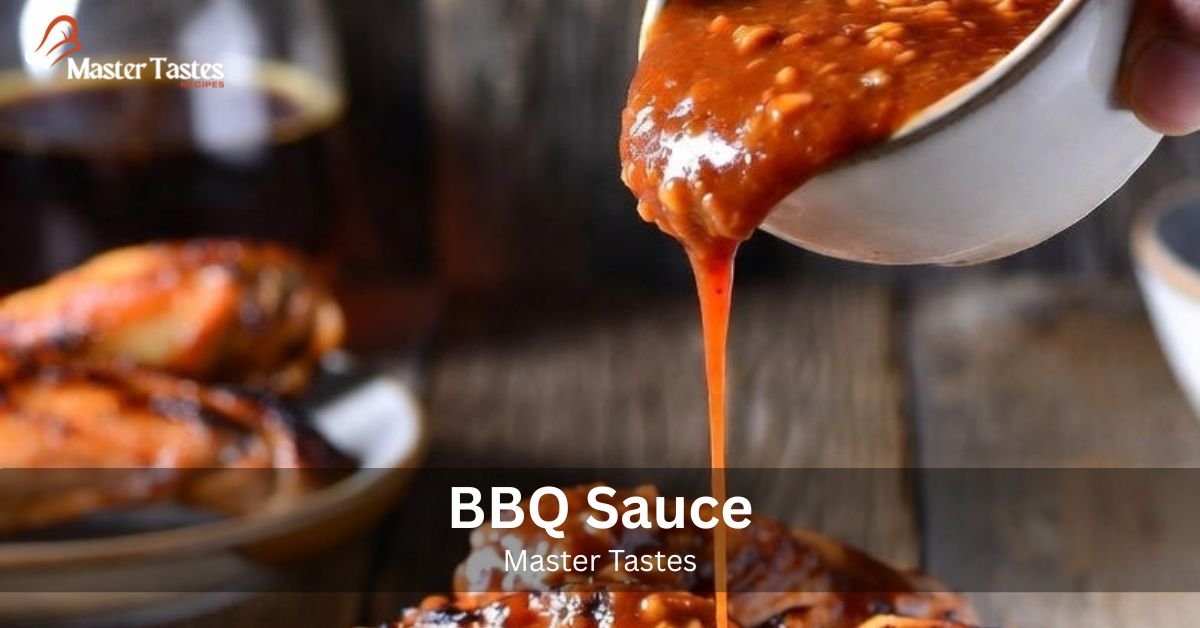
BBQ Sauce brings that smoky tangy flavor to ribs burgers and grilled veggies. This recipe shows you how to make a classic version at home with basic pantry items. You get a balance of sweet heat and acidity that beats store bought stuff. It simmers on the stove for depth and you can tweak spices to your taste. Making your own means no weird additives just pure ingredients. Perfect for summer cookouts or weeknight meals.
Adjust the batch size based on what you need whether its a small jar or enough for a party. The process is straightforward mix everything and cook down until thick. Youll smell the garlic and paprika filling the kitchen. Once done it stores well in the fridge for weeks. It pairs great with chicken or pork. Simple and satisfying thats the goal here.
Ingredients
| Ingredient | 0.5 kg batch | 1 kg batch | 2 kg batch |
|---|---|---|---|
| Ketchup | 300 g | 600 g | 1200 g |
| Apple cider vinegar | 100 ml | 200 ml | 400 ml |
| Brown sugar | 75 g | 150 g | 300 g |
| Worcestershire sauce | 25 ml | 50 ml | 100 ml |
| Yellow mustard | 25 g | 50 g | 100 g |
| Garlic powder | 5 g | 10 g | 20 g |
| Onion powder | 5 g | 10 g | 20 g |
| Smoked paprika | 5 g | 10 g | 20 g |
| Salt | 3 g | 5 g | 10 g |
| Black pepper | 3 g | 5 g | 10 g |
| Water (to adjust thickness) | 50 ml | 100 ml | 200 ml |

How to Make
- Gather all ingredients on the counter so nothing gets missed.
- Pour the ketchup into a medium saucepan over low heat.
- Add the apple cider vinegar and stir until blended.
- Stir in the brown sugar and keep mixing until it fully melts into the sauce.
- Stir in Worcestershire sauce and yellow mustard next.
- Sprinkle garlic powder onion powder and smoked paprika.
- Add salt and black pepper to taste.
- Pour in water if the mix seems too thick at this point.
- Bring to a gentle simmer stirring often.
- Let it simmer gently for 20 to 30 minutes, stirring now and then, until the sauce gets nice and thick.
- Taste and adjust seasoning maybe more sugar for sweetness.
- Remove from heat and let cool a bit.
- Transfer to jars or bottles for storage.
- Refrigerate once fully cooled.
Tips
- Prep your ingredients ahead chopping garlic if using fresh instead of powder saves time later.
- Simmer low and slow to build flavors without burning the sugar.
- If it gets too thick splash in more water or vinegar.
- Store in glass jars they keep the flavor better than plastic.
- This sauce lasts two to three weeks in the fridge sometimes longer if sealed tight.
- Try brushing it on meat during the last few minutes of grilling for a nice glaze.
- For a smokier taste add liquid smoke but just a drop or two.
- Pair with coleslaw or baked beans for a full meal.
- Kids might like it sweeter so up the sugar a touch.
- Freeze extras in ice cube trays for easy portions later.
- Some folks skip the mustard for a milder version you know whatever works.
History of BBQ Sauce
BBQ Sauce comes originally from the United States mainly the southern regions where slow cooked meats became a staple. It draws from indigenous cooking ways mixed with European and African influences. Today its commonly eaten across the US at backyard gatherings and restaurants and has spread globally to places like Europe Asia and Australia where people adapt it to local tastes. You find it on shelves everywhere from grocery stores to street food stalls. The story starts way back and evolves through time with different twists in flavors and uses.
Origin of BBQ Sauce
The beginnings of BBQ sauce go back to the 1600s in the American colonies. Early settlers in the South learned from Native American tribes who slow roasted meat over pits. They used simple bastes like vinegar and peppers to tenderize game. When Spanish explorers brought pigs the focus shifted to pork. In Virginia and the Carolinas folks started making tangy mixes to mop on during cooks. The first commercial sauce hit shelves in 1909 from a Georgia company but homemade versions were around much earlier.
African slaves added their spices and techniques bringing depth with molasses and herbs. It was practical stuff to preserve meat and add zip. You can imagine the smoky aroma wafting through plantations and community feasts. This base set the stage for what we slather on ribs now. Over time it turned from a basic mop to a thick condiment.
Early Development in the Colonies
As colonies grew BBQ became a social event. In the 1700s political rallies and church picnics featured whole hogs cooked low over coals. Sauces were vinegar heavy to cut the fat. Recipes passed orally no fancy books back then. By the 1800s tomato based versions appeared thanks to ketchup’s rise. Heinz popularized ketchup in 1876 which influenced sweeter sauces. Railroads helped spread ideas as people moved west.
In Texas cowboys mixed chili powders for heat. It wasnt just food it tied communities together. Families guarded their secret blends adding a personal touch. The evolution felt organic like trial and error over generations. Smell of vinegar mingling with wood smoke thats the essence.
Traditional Ingredients and Methods
Classic BBQ sauce relies on a few key items. Vinegar provides tang brown sugar sweetness and spices like paprika for smokiness. Mustard adds bite in some areas. Methods involve simmering on stovetops or blending raw for fresh use. Traditionally it was brushed on meat mid cook to caramelize. In pits folks used mops long brushes dipped in buckets.
No fancy equipment just pots over fires. Ingredients varied by whats available like using sorghum instead of sugar in rural spots. The goal was balance not overpowering the meat. You taste the layers acid sweet heat. Cooking low prevents scorching. Some regions smoke the sauce itself for extra depth. It keeps traditions alive in modern kitchens too.
Role of Vinegar in Early Recipes
Vinegar was the star in old school sauces. It tenderized tough cuts and preserved them before fridges. Apple cider vinegar brought fruity notes common in the South. Methods included reducing it with peppers for a sharp kick. Folks mixed it cold or heated depending on the dish. The tang cuts through fatty pork perfectly. In some places they fermented it for complexity. Thats how it stayed simple yet effective.
Sweeteners Through the Ages
Sweet elements like molasses came from trade routes. Brown sugar replaced it later for easier dissolving. Honey was used in wild areas. These balanced the acid creating that addictive profile. Methods evolved from stirring over open flames to modern blenders. The sweetness caramelizes under heat giving a glossy finish.
Regional Variations
BBQ sauce changes by location showing local pride. In the Carolinas its thin and vinegar based sometimes with mustard for gold color. Kansas City goes thick and sweet with tomatoes. Texas prefers spicy bold flavors. Each spot claims the best. These differences stem from history and whats grown nearby. You notice the texture too some pour others stick. Tasting them side by side highlights the diversity.
Carolina Styles
Eastern Carolina uses vinegar and peppers no tomatoes for a clear sharp sauce. Western adds a bit of ketchup for mild sweetness. Mustard defines South Carolina’s golden version tangy and unique. These are mopping sauces applied during cooking. They soak into the meat deeply. Pulled pork shines with them. The simplicity harks back to early days.
Kansas City Influence
This style dominates stores thick red and molasses heavy. It started in the 1920s with meat markets. Tomatoes form the base sweetened with sugar. Spices like garlic round it out. Used as a finishing glaze it clings well. Ribs and brisket pair best. The sweetness appeals broadly making it popular nationwide.
Texas Twists
Texas sauce is thinner with chili powder and cumin for heat. Some versions skip sweet altogether focusing on savory. Beef brisket demands this boldness. Influences from Mexican cuisine add layers. Its often served on the side letting meat stand out. The spice lingers nicely.
Memphis and Alabama Oddities
Memphis offers dry rubs but wet sauce is tomato based with vinegar balance. Alabama stands out with white sauce mayo and vinegar for poultry. These lesser known gems show creativity. White sauce cools spicy meats. Memphis mixes sweet and tangy.
Cultural Significance
BBQ sauce ties into American holidays like Fourth of July where grills fire up nationwide. In the South its at family reunions and church suppers fostering bonds. During slavery era it was a way to make tough meats palatable adding dignity to meals. Today festivals celebrate it with competitions judging best sauces. It represents resilience and sharing. The aroma draws people together creating memories. In pop culture movies show BBQ scenes as quintessential American. Globally immigrants adapt it blending with home flavors. Its more than food its a connector.
Ties to Holidays and Gatherings
On Memorial Day or Labor Day sauce covered meats star at picnics. Families pass recipes down like heirlooms. The sizzle and smell build anticipation. In Black communities it honors traditions from hard times. Sharing a plate strengthens ties.
Role in Competitions and Festivals
Events like Memphis in May draw crowds tasting entries. Judges score on flavor originality. Winners gain fame bottling their creations. It boosts local economies. Amateurs join for fun learning tricks. The energy is electric with music and smoke.
How It Spread
BBQ sauce left the South via migration after Civil War. Railroads carried recipes westward. In the 1900s bottling made it accessible everywhere. World Wars exposed soldiers to it spreading globally. Immigrants in cities like Chicago adapted it. Media like cookbooks and TV boosted popularity. Now its in fast food and gourmet spots. The evolution continues with health twists like low sugar versions.
Migration and Railroad Impact
As people moved for jobs sauces tagged along. Southerners in the North recreated home tastes. Railroads shipped ingredients widening access. New blends emerged from mixes. It unified diverse groups through food.
Commercialization in the 20th Century
Kraft and others mass produced in the 1950s. Ads touted convenience. Bottles hit international markets via trade. Recipes standardized but variety persisted. Home cooks still prefer custom.
Global Adaptations Today
In Europe they add herbs like thyme. Asia incorporates soy for umami. Australia pairs with seafood. Fusion keeps it fresh. Vegan versions use alternatives. Its everywhere from street carts to fine dining.
Modern Use and Innovations
Today BBQ sauce goes beyond meat on pizzas or in dips. Health trends swap sugar for fruits. Artisans craft small batches with unique smokes. Tech like pressure cookers speed prep. Sustainability focuses on local sourcing. It adapts while honoring roots. You see it in snacks like chips flavored with it. The versatility surprises.
Health Conscious Changes
Low carb options use stevia. Organic ingredients appeal to many. Recipes cut sodium for better balance. Still tastes great just lighter. People experiment at home easily.
Fusion with Other Cuisines
Korean BBQ sauce mixes gochujang for spice. Indian versions add curry. These hybrids excite palates. Restaurants feature them drawing crowds. It shows foods boundary crossing nature.
Artisanal and Craft Movements
Small makers smoke peppers themselves. Farmers markets sell fresh batches. Labels tell stories of origins. Collectors seek rare flavors. It elevates sauce to gourmet status. That’s pretty much it I guess. Each batch comes out a touch different depending on your stove or ingredients. Enjoy experimenting a bit.
FAQ’s
How long can I keep homemade BBQ sauce in the fridge?
Three to four weeks easy if the jar is clean and lid is tight. Mine sometimes sits a whole month when I cook it down hard. Just smell it first. If it smells funny or has fuzzy bits throw it out.
Can I make BBQ sauce without ketchup?
Yes no problem. Use same amount of plain tomato puree or paste and add little extra vinegar and sugar. Tastes more fresh actually.
Why is my homemade BBQ sauce too thin?
You took it off the gas too soon or added too much water. Put it back on low flame stir and cook 10-15 minutes more. It becomes thick once cold.
How do I make BBQ sauce spicy?
Put little red chilli powder or any chilli sauce while cooking. Start with half spoon only and keep tasting. Spicy keeps getting stronger.
Can I bottle homemade BBQ sauce for long time?
Yes super easy. Take clean glass bottles leave half inch space on top and boil the bottles in water 20 minutes. Stays good one full year outside.
What can I use instead of brown sugar in BBQ sauce?
Honey jaggery normal sugar with little gud or maple syrup anything works. Honey gives nice smell.
How do I fix BBQ sauce that is too sweet?
Add more vinegar or lemon juice one spoon by one spoon. Heat two minutes again and taste fixes fast.
Is BBQ sauce gluten free?
Homemade yes if you take Worcestershire sauce without gluten or just don’t put it. Check bottle always.
Can I make BBQ sauce in slow cooker?
Yes just put everything inside close lid keep on low 4-6 hours. Stir once or twice. Taste becomes awesome and no need to stand.
How do you make BBQ sauce without cooking?
Take bowl mix ketchup vinegar mustard garlic onion powder sugar little smoked paprika. Keep in fridge whole night. Ready to use fast though not super thick.
Follow our social media Accounts for updates:




One thought on “BBQ Sauce”