
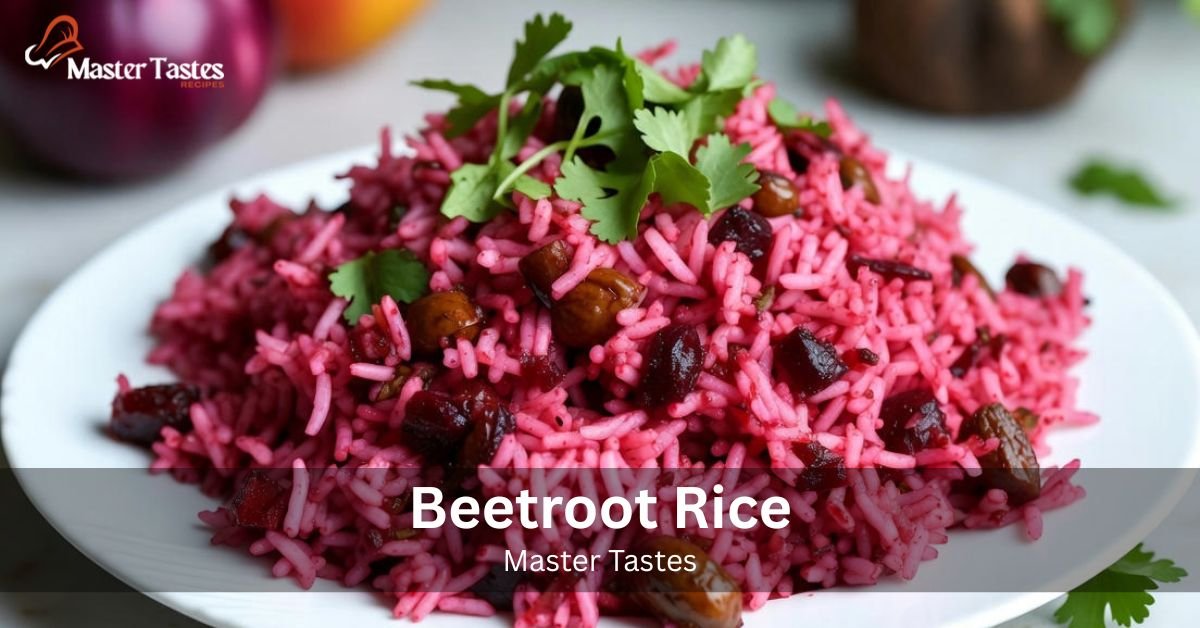
Beetroot rice is a bright and easy dish that combines cooked rice with grated beets and some simple spices. It turns out pink and full of flavor with a gentle sweetness from the beets that goes well with the savory bits. You can make this for lunch or dinner and it matches nicely with yogurt or a basic salad. The beets bring in vitamins and fiber while staying light on the stomach. Lots of people prepare it to finish leftover rice or to bring something new to the table.
It comes together fast in around 30 minutes once your ingredients are set. This works great for new cooks because it only needs basic chopping and stirring no special tricks. Most enjoy it warm but it holds up fine cold as well sometimes. All in all it is a solid choice for eating healthy without too much work.
Ingredients
| Ingredient | For 0.5 kg rice | For 1 kg rice | For 2 kg rice |
|---|---|---|---|
| Basmati rice | 0.5 kg | 1 kg | 2 kg |
| Beetroot (grated) | 250 g | 500 g | 1 kg |
| Onion (chopped) | 1 medium | 2 medium | 4 medium |
| Green chilies (slit) | 2 | 4 | 8 |
| Ginger (grated) | 1 tsp | 2 tsp | 4 tsp |
| Garlic (minced) | 2 cloves | 4 cloves | 8 cloves |
| Mustard seeds | 0.5 tsp | 1 tsp | 2 tsp |
| Cumin seeds | 0.5 tsp | 1 tsp | 2 tsp |
| Curry leaves | 10 | 20 | 40 |
| Turmeric powder | 0.25 tsp | 0.5 tsp | 1 tsp |
| Salt | to taste | to taste | to taste |
| Oil | 1 tbsp | 2 tbsp | 4 tbsp |
| Lemon juice | 1 tsp | 2 tsp | 4 tsp |
| Coriander leaves (chopped) | a handful | two handfuls | four handfuls |
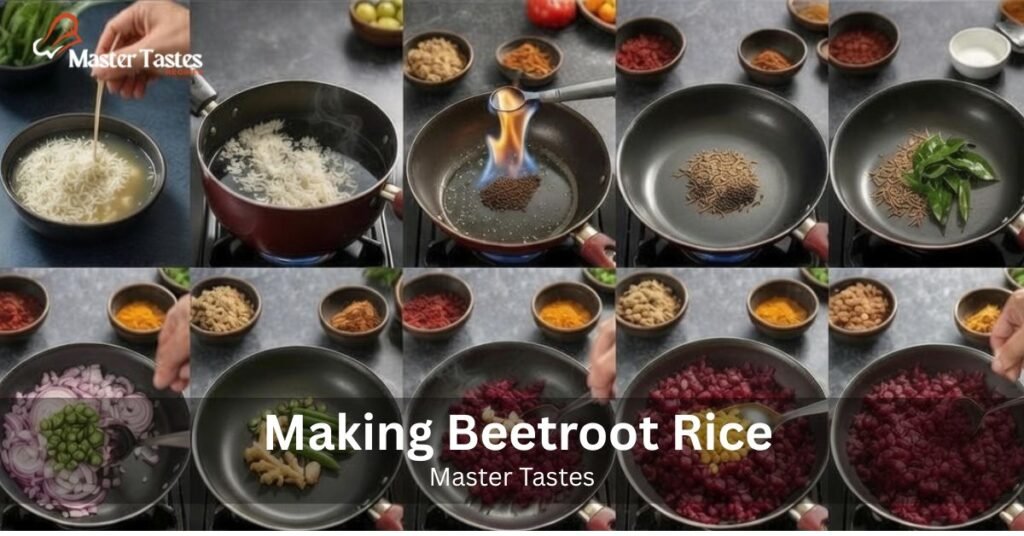
How to Make
- Wash the rice well and soak it in water for 20 minutes.
- Drain the rice and cook it in a pot with double the water until soft then set aside.
- Heat oil in a pan over medium flame.
- Add mustard seeds and let them pop.
- Toss in cumin seeds and curry leaves next.
- Stir in chopped onions and cook until they turn soft.
- Add green chilies ginger and garlic then saute for a minute.
- Mix in grated beetroot and turmeric powder.
- Cook the mixture for five to seven minutes until beets soften a bit.
- Add salt and stir everything together.
- Fold in the cooked rice gently to combine.
- Squeeze lemon juice over the top and mix lightly.
- Garnish with chopped coriander leaves before serving.
Tips
- Grate the beets fresh right before cooking so they dont lose color or get watery.
- If you want more flavor try adding a pinch of garam masala at the end but not too much.
- Cook on low heat after mixing rice to avoid breaking the grains.
- Serve with plain curd or raita to cool down the spices.
- Leftovers keep well in the fridge for a day just reheat with a splash of water.
- Some people skip soaking the rice but I find it makes the texture fluffier.
- Adjust chilies based on how spicy you like things maybe start with less.
History of Beetroot Rice
This dish comes originally from India particularly the southern regions like Tamil Nadu and Karnataka. Today its commonly eaten across India and in Indian communities worldwide from the US to the UK. Folks there make it at home for everyday meals or pack it for work lunches. The pink hue makes it stand out and its often shared during casual gatherings.
Origin of Beetroot Rice
Beetroot rice started in South India around the 19th century when beets became more available through British colonial trade. Beets were not native they came from Europe and the Middle East but locals quickly mixed them into rice dishes. Rice was already a staple so adding grated beets with spices seemed natural. Early versions were simple home cooks grated beets and stirred them into leftover rice for a quick meal. This happened in rural areas where families grew beets in small gardens.
The dish spread through word of mouth as people shared recipes at markets or temples. You could smell the earthy beets cooking with mustard seeds wafting from kitchens. It wasnt fancy just a way to make meals colorful and filling. Over time it became a go to for busy days. Thats how it began nothing grand but practical.
Traditional Ingredients and Methods
In the old days cooks used long grain rice like basmati soaked briefly then boiled soft. Beets were hand grated fresh for that vibrant pink color and sweet earthiness. Spices included mustard seeds popped in hot oil cumin for warmth and curry leaves for a fresh aroma. Onions ginger and garlic added base flavors while green chilies brought heat. Salt was key and sometimes turmeric for a golden touch. Methods were straightforward heat oil in a iron pan add seeds and leaves then onions and spices.
Stir in beets cook until tender then mix with rice. No fancy tools just a wooden spoon and open flame. The texture came out soft with beets clinging to grains. Lemon juice squeezed at the end brightened it up. Families passed this down teaching kids by showing not writing. It always had that homemade feel a bit uneven but tasty.
Regional Variations in South India
In Tamil Nadu beetroot rice often includes coconut gratings for a nutty twist making it richer. They might add urad dal for crunch fried in the oil first. Kerala versions use more curry leaves and sometimes black pepper instead of chilies for a milder spice. The rice there is shorter grain sticking together more. In Karnataka people add peanuts or cashews roasted for extra bite.
Some areas grate carrots with beets for mixed colors. Coastal spots might include a dash of asafoetida for that pungent kick. Each place tweaks based on whats local like using red chilies in drier regions. The core stays rice and beets but these changes make it fit the land. You taste the difference eating it in different homes the air carries unique scents from each variation.
Variations Outside South India
North India adapts beetroot rice with cumin heavy spices and sometimes yogurt mixed in for creaminess. They use basmati more and add cloves or cardamom for aroma. In Punjab it might come with paneer cubes for protein. Eastern states like Bengal sweeten it a touch with sugar balancing the beets natural taste. Western India in Gujarat adds sesame seeds and makes it drier.
These shifts happened as people moved taking the recipe along. Fusion spots now mix in quinoa instead of rice for health reasons. The texture varies from fluffy in the north to sticky in the east. Smells differ too more floral up north earthy down south. Its fun seeing how one dish changes across borders.
Cultural Significance in Festivals
Beetroot rice holds a spot in South Indian festivals like Pongal where its made as an offering. The color symbolizes prosperity and joy shared among family. During Diwali some prepare it as a light meal after sweets. In temples its sometimes prasadam distributed to visitors. Weddings include it in buffets for its appealing look drawing guests.
Everyday its tied to health customs Ayurveda praises beets for blood building so mothers make it for kids. Customs involve cooking it on auspicious days with prayers. The crunch of spices and soft rice create a comforting sound while eating. Gatherings buzz with chatter over bowls of this pink dish. It ties people to roots reminding of home even far away. Thats its quiet role in culture not flashy but meaningful.
Role in Daily Life and Customs
Beyond festivals beetroot rice fits into daily routines like school lunches packed in boxes. The stain from beets on fingers is a common sight after prep. In villages its made in large pots for community meals shared under trees. Customs include adding it to postpartum diets for nutrition. Some families have traditions of making it on Fridays for luck.
The aroma fills homes signaling meal time pulling everyone together. Textures mix soft rice with beet chunks for satisfaction. It represents simplicity in a busy world easy yet nourishing. People chat about tweaks over tea like adding more ginger for colds. This everyday tie makes it more than food its part of life flow.
How It Spread Through Trade
Trade routes helped beetroot rice move beyond India starting with British times when recipes traveled to colonies. Indian workers in Africa adapted it with local spices spreading flavors. In the 20th century migration to Europe and America brought it along in suitcases. Cookbooks from the 1950s mentioned variations helping popularity. Ships carried beets and ideas mixing cultures. Now online videos show global twists like adding cheese in the West. The spread changed it from regional to worldwide. You hear sizzles in distant kitchens echoing origins. Tastes evolved sweeter in some places spicier in others. From there it became a fusion base inspiring new dishes.
Migration and Global Adaptations
Indian diaspora in the 1960s and 70s took beetroot rice to new lands like Canada where they used frozen beets. In Australia it mixed with barbecues sometimes grilled first. Southeast Asia added lemongrass for a citrus note. These changes came from necessity lacking ingredients led to swaps. Communities formed clubs sharing recipes keeping ties. Modern apps now list versions with calories tracked. The pink color draws curiosity at potlucks. Sounds of chopping beets unite groups far from home. It adapted smoothly becoming comfort food abroad. Each adaptation tells a story of movement and blend.
Evolution in Cooking Techniques
Early cooking used wood fires giving a smoky hint to beetroot rice. Then gas stoves sped things up in the mid 20th century. Pressure cookers in the 1980s made rice quicker preserving colors. Microwaves now zap it for busy folks though some say it loses soul. Electric graters eased prep from hand work. Techniques shifted to one pot methods for ease. The evolution made it accessible to all. Smells stayed similar but times shortened. Textures improved with better tools less mushy. People experiment more now like baking it. This change reflects life speeding up yet keeping essence.
Modern Twists and Innovations
Today chefs add quinoa or brown rice for health in beetroot rice. Vegan versions skip ghee using oils. Air fryers crisp beets first for texture. Social media shows stuffed versions in peppers. Innovations include adding proteins like tofu for balance. Some blend beets into puree for even color. These twists attract younger cooks. The dish now appears in cafes as salads. Tastes mix global like with feta cheese. Sounds of blenders join traditional stirs. It keeps evolving staying relevant. Thats pretty much how it grew from simple to varied.
Influence on Other Cuisines
Beetroot rice inspired similar dishes in Middle Eastern pilafs with beets added for color. In European homes Indians introduced it leading to beet risottos. African adaptations use local yams with rice. These influences show cross pollination. Mexican versions wrap it in tortillas with spices. The pink appeals universally drawing tries. Aromas blend creating hybrids. Textures inspire crunchy tops in bakes. It quietly shaped menus abroad. People discover it through friends trying new bites.
Nutritional Aspects Through History
Historically beets in rice added iron and vitamins lacking in plain meals. Ayurveda noted it for digestion from spices. Over time studies backed this making it popular for diets. Folks added nuts for fats evolving nutrition. Modern views see it as antioxidant rich. The focus shifted from filling to healthy. Tastes stayed sweet earthy but awareness grew. This aspect drew more eaters globally.
Preservation of Traditions
Efforts now preserve original beetroot rice through festivals and classes. Elders teach kids avoiding loss. Books document variations keeping history. Communities host contests for best versions. This keeps the dish alive. Smells from old recipes evoke memories. It ensures future generations know roots.
Future of the Dish
Looking ahead beetroot rice might go sustainable with organic beets. Tech could app guide cooking. Global warming might change ingredients but core stays. It will adapt as always. Tastes might fuse more. Thats it I guess always changing a bit each time.
FAQ’s
Is beetroot rice good for health?
Yeah it gives you lots of vitamins and fiber plus iron from those beets. Keeps things light on your tummy and feels good to eat with simple spices.
What can I serve with beetroot rice?
Try some plain curd or raita it cools everything down nicely. A quick cucumber tomato salad goes perfect too. Or just grab some crispy papad on the side.
Can I make beetroot rice with old rice?
For sure old cooked rice works best here. Saves you time and it soaks up all the beet flavors without getting mushy.
How to cook beetroot rice in pressure cooker?
First fry the spices onions and grated beets a little. Then put in the rice some water and salt. Give it two whistles and done super fast.
What other veggies can go in beetroot rice?
Peas or small carrot pieces fit right in. Even potatoes cut tiny add something nice. Just dont put too much or the beet taste gets lost.
Is beetroot rice okay for kids tiffin?
Kids love the bright pink color and if you keep chilies low its mild enough. Stays fresh till lunch time and easy to pack.
How to reduce sweetness in beetroot rice?
Just squeeze extra lemon at the end or throw in one more green chili. That balances the sweet beet taste real quick.
What makes beetroot rice different from beetroot pulao?
Both are pretty similar with rice and beets. Pulao usually cooks rice and veggies together in one go while this rice often mixes into ready rice.
Is beetroot rice already vegan?
Yes totally if you cook with oil. No need for ghee and skip curd on the side then its all plant stuff.
How many days beetroot rice stays good?
Keeps fine in fridge one or two days. Warm it up with few drops water so grains loosen. Even eating cold tastes alright sometimes.
Follow our social media Accounts for updates:


One thought on “Beetroot Rice”