
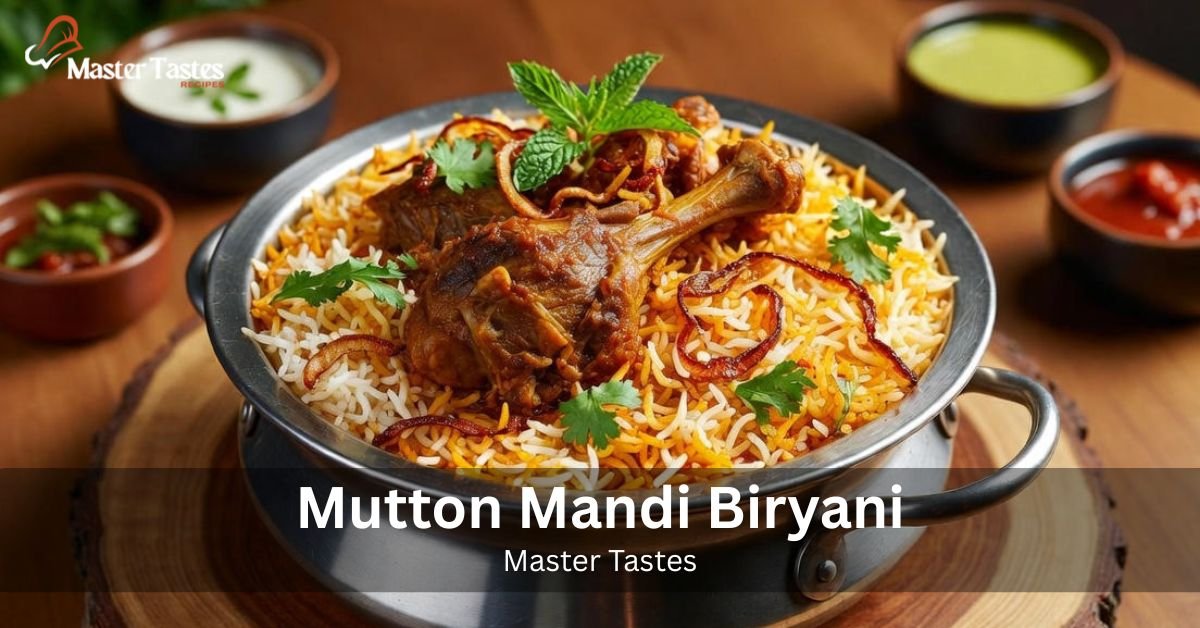
Mutton Mandi Biryani mixes tender meat with fragrant rice in a style lots of folks look for when they want a real Arabian type meal. This one really shines because of its smoky taste from slow cooking and spices that add nice depth without being too strong. You begin with mutton pieces marinated easy then layer them over basmati rice you parboiled first. At the finish it all gets a light smoke which makes it different from usual biryanis. It fits great for family get togethers or times you want to cook something from Middle Eastern homes.
If you search how to prepare Mutton Mandi Biryani this way keeps it simple so you nail it right away. Portions go for various amounts from half kilo to two kilos mutton with everything else scaled to fit. So no matter if for few people or many the tastes stay even. Look forward to meat juicy on the inside and some crisp bits up top.
Ingredients
| Ingredients | For 0.5 kg Mutton | For 1 kg Mutton | For 2 kg Mutton |
|---|---|---|---|
| Mutton (bone-in pieces) | 0.5 kg | 1 kg | 2 kg |
| Basmati rice | 0.5 kg | 1 kg | 2 kg |
| Onions (sliced) | 2 medium | 4 medium | 8 medium |
| Tomatoes (chopped) | 1 large | 2 large | 4 large |
| Ginger garlic paste | 1 tablespoon | 2 tablespoons | 4 tablespoons |
| Yogurt (plain) | 100 grams | 200 grams | 400 grams |
| Green chilies (slit) | 2 | 4 | 8 |
| Mandi spice mix (cumin, coriander, black pepper, cardamom, cloves, cinnamon – ground) | 1 tablespoon | 2 tablespoons | 4 tablespoons |
| Saffron strands (soaked in warm milk) | A pinch | 1/2 teaspoon | 1 teaspoon |
| Bay leaves | 2 | 4 | 8 |
| Cinnamon stick | 1 inch | 2 inches | 4 inches |
| Cloves | 4 | 8 | 16 |
| Cardamom pods | 4 | 8 | 16 |
| Salt | To taste | To taste | To taste |
| Oil or ghee | 50 ml | 100 ml | 200 ml |
| Coal (for smoking) | 1 small piece | 1 small piece | 1 small piece |
| Water (for boiling) | As needed | As needed | As needed |
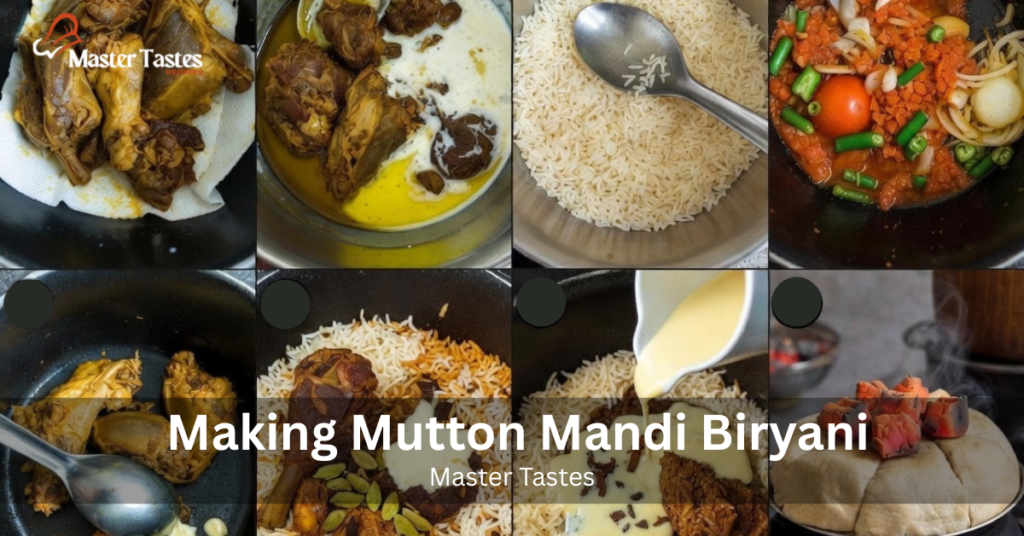
How to Make
- Wash mutton pieces good under running water then pat dry with a clean cloth.
- Mix yogurt ginger garlic paste mandi spice mix salt and a little oil in a bowl.
- Rub this all over the mutton well and leave it for at least two hours or keep overnight in the fridge for much better taste.
- Soak basmati rice in water for thirty minutes then drain fully.
- Heat oil in a big pot and fry sliced onions till they get nice golden brown.
- Add chopped tomatoes green chilies and whole spices like bay leaves cinnamon cloves and cardamom.
- Cook till tomatoes turn soft and you see oil coming out from the sides.
- Add marinated mutton and stir on high flame for five minutes to lock in the juices.
- Pour water just enough to cover the meat bring to boil then lower heat cover and cook till mutton gets tender usually takes about one hour.
- In separate pot boil water with some salt and pinch of saffron add drained rice and cook only till half done.
- Drain rice carefully and spread it over the cooked mutton in the first pot.
- Pour saffron soaked in warm milk over the top and cover pot tight.
- Keep on very low heat for twenty minutes so steam finishes cooking the rice.
- Heat small piece of coal till red hot place in small foil bowl in middle of pot and drop teaspoon ghee on it for smoke.
- Cover fast and leave for five minutes so smoky flavor goes in everywhere.
- Switch off flame and let rest ten minutes before you mix and serve.
Tips
- Try to marinate mutton longer if possible even full day because meat takes in spices better and stays really juicy.
- While frying onions stir often so they brown same all over and dont burn or dish might taste bitter.
- For rice stop boiling when about seventy percent cooked that way it soaks up flavors later and stays fluffy not mushy.
- If you use pressure cooker for meat it gets done faster maybe half the time but still check if tender before layering rice.
- Serve with easy salad of cucumber tomato and lemon or plain yogurt beside to cut through the spices.
- Sometimes I sprinkle few raisins or nuts on top for little crunch but keep plain if you like it simple.
- When reheating leftovers add splash of water and warm slowly so nothing dries out.
- This goes perfect with cup of hot tea afterwards you know to finish the meal nice.
History of Mutton Mandi Biryani
This recipe comes originally from Yemen, specifically the Hadhramaut area, and it’s most famous today in Saudi Arabia along with other parts of the Arabian Peninsula. People there eat it often during gatherings, and it has spread to places like India through workers and trade.
Origin of Mutton Mandi Biryani
Back in the old days, around the Hadhramaut valleys in Yemen, nomads needed food that lasted long without much gear. They dug pits in the sand, lined them with hot stones, and buried meat with rice and spices to cook slowly underground. This method kept moisture in and added a natural smoky taste from the earth. The word “mandi” comes from Arabic for “dewy” or something moist, fitting how the dish turns out juicy. Early versions used lamb or goat, whatever was around from herding. Spices like cumin and coriander grew locally, so they became key.
Over time, this simple survival meal turned into a shared tradition at camps. You can imagine the aroma rising as they uncovered the pit after hours, drawing everyone together. It started as practical cooking for travelers crossing deserts, but soon families adopted it for home. That earthy flavor, tender meat falling off the bone, and fluffy rice made it memorable. Even now, thinking about it brings back that sense of ancient resourcefulness.
Traditional Ingredients and Methods
Classically, mandi calls for large cuts of mutton or lamb, bone-in for richness. Rice is always long-grain basmati to stay separate and absorb juices. Spices include a blend of cumin seeds, black pepper, cardamom pods, cloves, cinnamon sticks, and bay leaves, toasted lightly first. Sometimes dried limes or lemons add a tangy note. No heavy sauces, just a light marinade of yogurt or simple salt rub. The cooking happens in a tandoor-like pit, but homes use ovens or pots today. Meat goes at the bottom, rice on top, sealed to steam. A hot coal with ghee creates the signature smoke at the end, infusing everything with that charred essence.
Water is minimal, relying on meat’s own liquids. Preparation starts with cleaning meat thoroughly, then resting it spiced. Boiling rice halfway prevents sogginess. The whole process takes patience, about three to four hours, but the wait builds anticipation. Sensory wise, you get tender bites with spice warmth, and the smoke lingers like a faint barbecue hint. Families pass down exact spice ratios, making each version unique yet true to roots.
Adjusting Spices for Balance
If spices feel too strong, cut back on cloves since they dominate easily. Some add saffron for color, but traditionally it’s subtle. Taste the mix before using, maybe grind fresh for brighter flavor.
Regional Variations
In Yemen, mandi stays basic with goat meat and minimal greens, focusing on pit cooking for authenticity. Saudi versions often use chicken instead of mutton, adding more saffron for a golden hue, and serve with tomato sauce on the side. UAE adaptations include fish mandi near coasts, swapping meat for seafood while keeping the spice base. In India, where it arrived via Gulf workers, people mix in biryani elements like fried onions or nuts, making it richer. Pakistani takes might add potatoes or extra chilies for heat. Each place tweaks based on local produce, like using camel in remote Arabian areas.
The core remains rice and meat layered, but sides vary, from yogurt in cooler spots to fresh salads elsewhere. Textures differ too, with some preferring crispier rice edges. Smell wise, Yemeni is earthier, while Gulf ones carry more cinnamon sweetness. These changes show how the dish adapts without losing its essence, fitting new tastes while honoring origins. You might try a variation next time for fun.
Coastal Twists in the Gulf
Along UAE shores, mandi with prawns brings a sea salt tang, cooked faster to keep shellfish tender. Spices lighten up, maybe more cardamom to match the briny flavor.
Cultural Significance
Mandi holds a spot in Yemeni life as food for celebrations, like weddings or Eid feasts, where large pits feed crowds. It symbolizes hospitality, with hosts offering the best cuts to guests first. In Saudi culture, it’s everyday fare but shines at iftars during Ramadan, breaking fast with its nourishing warmth. The shared eating from one big platter builds community bonds, hands dipping in together. Stories say it fed traders on caravan routes, fostering deals over meals. Today, it ties expats to home, cooked in foreign lands to recall family. The aroma evokes nostalgia, that mix of smoke and spices signaling togetherness.
During festivals, women prepare spices while men handle pits, dividing tasks traditionally. It’s not just eating, but a ritual passing knowledge to kids. Texture of soft meat against fluffy rice comforts, and the sound of laughter around it strengthens ties. In essence, mandi represents endurance and sharing in Arabian societies, a dish that nourishes body and spirit alike.
Role in Modern Gatherings
Now, at urban parties, mandi appears in buffet style, but the communal feel stays. Some families add music or stories while it cooks, turning preparation into fun.
How it Spread and Modern Use
Trade routes from Yemen carried mandi to Saudi Arabia centuries ago, where pilgrims on Hajj tasted and took recipes home. Ottoman influences blended in new spices during rule. By the 20th century, oil booms brought Yemeni workers to Gulf states, spreading it further. Indian subcontinent got it through returned migrants, adapting to local palates with more heat. Today, restaurants worldwide serve it, from London to New York, often oven-baked for ease. Home cooks use pressure cookers to speed things, but purists stick to traditional methods. Social media shares videos, inspiring global tries.
Evolution includes vegetarian versions with veggies or paneer, broadening appeal. The smoky taste remains key, though electric smokers replace coals sometimes. In daily life, it’s weekend special or quick weeknight meal with shortcuts. You know, it adapts well, keeping that comforting feel. Modern twists add fusion, like mandi tacos, but core stays. From desert pits to city kitchens, it shows food’s journey through people.
Influence of Migration on Popularity
Workers moving to India brought mandi in the 1970s, mixing with biryani for hybrid dishes. This cross-cultural exchange made it street food in Hyderabad, evolving flavors naturally.
Global Adaptations Today
In the US, mandi food trucks offer halal options, using lamb for authenticity. Chefs experiment with organic spices, appealing to health-conscious eaters while preserving tradition.
Evolution Through Centuries
Over time, mandi shifted from nomadic necessity to refined cuisine. Early Bedouins used wild herbs, but settled farms added consistent spices. Colonial eras introduced tomatoes in some variants, though purists avoid them. Industrialization brought basmati imports, improving rice quality. Post-war migrations accelerated spread, with recipes printed in books. Now, apps guide steps, making it accessible. Yet, the pit method endures in villages, teaching patience.
Sensory changes include milder versions for kids, or spicier for adults. Sound of digging pits echoes history, while modern ovens hum quietly. Taste wise, it’s less gamey with farmed meat. This progression mirrors society’s changes, from survival to enjoyment. Some say it lost a bit of wildness, but gained variety. I usually think about how each era adds layers, like the dish itself.
Impact of Technology on Preparation
Electric tandoors simplify smoking, reducing time from hours to minutes. Apps track spice ratios, helping beginners match traditional tastes without guesswork.
Symbolism in Daily Life
Beyond meals, mandi stands for resilience in Yemeni folklore, surviving harsh climates. In Saudi homes, it’s comfort food after long days, scent filling houses warmly. During conflicts, it united communities sharing scarce resources. Today, it promotes cultural pride at festivals abroad. The act of uncovering the dish mirrors revealing hidden treasures, a metaphor for life’s surprises. Textures symbolize balance, soft and crisp together. Families bond over it, chatting while eating. In weddings, large servings wish abundance. It’s more than food, a thread connecting past to present. You might notice how it calms with its familiar aroma, like a hug from history.
Mandi in Folklore and Stories
Old tales describe mandi feeding heroes on journeys, granting strength. Kids hear these, imagining smoky pits under stars, blending myth with reality.
Preservation Efforts
Groups in Yemen teach traditional pit digging to youth, keeping skills alive amid modernization. Saudi chefs host workshops, blending old with new. Cookbooks document variations, archiving knowledge. Online forums discuss authentic recipes, debating spice tweaks. This ensures mandi doesn’t fade, adapting yet rooted. Sensory details help, like describing the coal’s glow. Efforts focus on sustainability, using local meats. It’s about honoring origins while evolving. Sometimes, festivals recreate ancient methods, drawing crowds curious about heritage.
Community Workshops and Classes
In cities, classes show hands-on marinating and layering, with participants tasting results. This builds appreciation, passing tips casually. That’s pretty much it for the history, though it always turns out a bit different depending on who’s telling it.
FAQ’s
What is the main difference between mandi and biryani?
Mandi is from Yemen and its big thing is the slow cooked meat with real smoky flavor. Biryani mixes the spices deep into meat and rice for strong bold taste. Mandi comes out lighter and has that earthy feel you know.
Where did mutton mandi originate?
It got started in Yemen back in the Hadhramaut part where people would dig pits in the ground and cook meat with rice slow to make everything super tender.
Can I make mutton mandi without smoking it with coal?
Yeah totally you can skip the coal if you dont feel like doing it. Just the smoky part wont be there and thats what most people love about it.
What spices go into mandi spice mix?
You got cumin coriander black pepper cardamom cloves and cinnamon mostly ground together. Sometimes folks add a bit of dried lime or bay leaf for sour kick.
Is mandi spicier than regular biryani?
Nah mandi is pretty mild with nice warm spices. Biryani usually has more chili punch.
How long should I marinate the mutton for mandi?
Two hours is fine but if you leave it overnight in the fridge the meat gets crazy tender and picks up all the flavor.
Can I use chicken instead of mutton in this recipe?
For sure chicken tastes awesome too and it cooks much faster. Just watch the time so it stays soft and juicy.
What sides go well with mutton mandi?
I always go for fresh chopped cucumber tomato onion with lemon squeezed over. Or cold yogurt works great to cool the spices down.
Why is the rice in mandi sometimes drier than biryani?
In mandi the rice soaks up some meat juice but grains stay loose and fluffy. Dum biryani gets steamed tight so its more wet.
How do I get the authentic smoky flavor at home without a pit?
Hot coal with little ghee dropped on it inside a covered pot gives you that old school smoke taste easy enough.
Follow our social media Accounts for updates:


One thought on “Mutton Mandi Biryani”