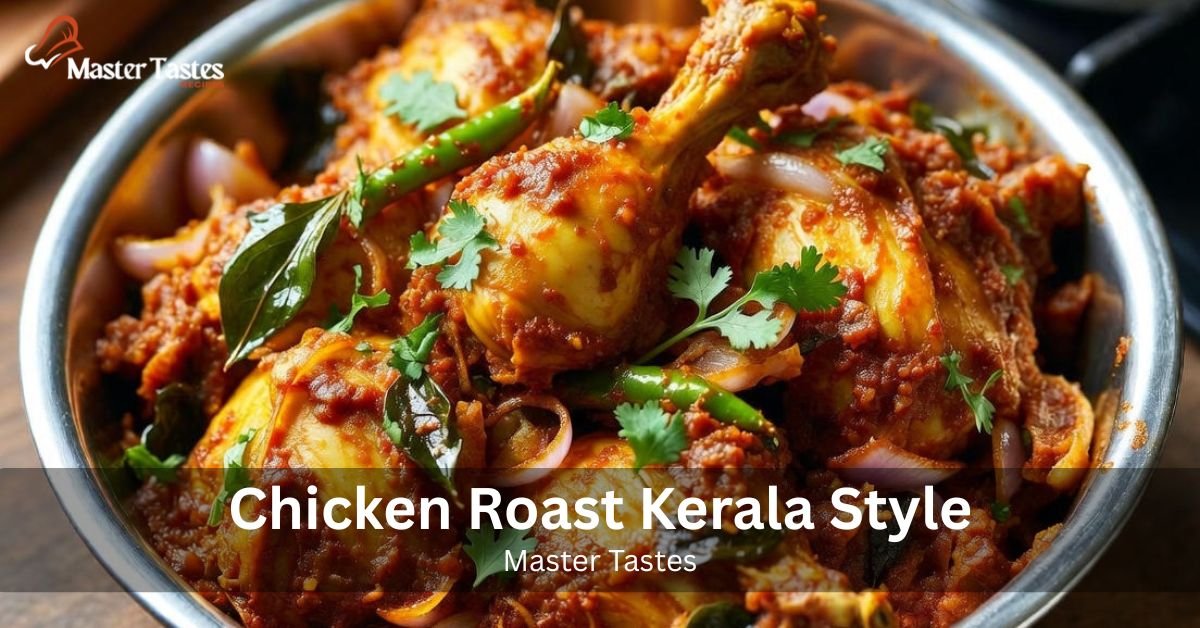
Chicken Roast Kerala Style is a straightforward dish from South India full of strong flavors from spices and slow cooking. You take chicken pieces and marinate them in everyday masalas then roast everything dry with onions tomatoes and plenty of curry leaves. The heat comes from chilies and pepper while caramelized onions add a touch of sweetness. Folks love making it at home for regular meals or when family gets together since it comes together easily and goes well with rice appam or any flatbread.
Coconut oil is what gives it that real Kerala smell drifting through the whole kitchen. If Kerala food is new to you this way of making it stays simple with no complicated moves just tasty results. I cook it often and it never fails especially over weekends when theres more time. Feel free to play with the spice level add extra green chilies if you enjoy things hot. That flexibility works great for everyone at the table. In the end it is one of those reliable dishes for getting a true taste of Kerala without any extra effort.
Ingredients
| Ingredients | 0.5 kg Chicken | 1 kg Chicken | 2 kg Chicken |
|---|---|---|---|
| Chicken (bone in pieces) | 0.5 kg | 1 kg | 2 kg |
| Onions (sliced) | 2 medium | 4 medium | 8 medium |
| Tomatoes (sliced) | 1 medium | 2 medium | 4 medium |
| Ginger (crushed) | 0.5 tbsp | 1 tbsp | 2 tbsp |
| Garlic (crushed) | 0.5 tbsp | 1 tbsp | 2 tbsp |
| Green chilies (slit) | 2 | 4 | 8 |
| Curry leaves | 1 sprig | 2 sprigs | 4 sprigs |
| Coconut oil | 2 tbsp | 4 tbsp | 8 tbsp |
| Turmeric powder | 0.25 tsp | 0.5 tsp | 1 tsp |
| Red chili powder | 1 tsp | 2 tsp | 4 tsp |
| Coriander powder | 1 tsp | 2 tsp | 4 tsp |
| Garam masala | 0.5 tsp | 1 tsp | 2 tsp |
| Fennel powder | 0.5 tsp | 1 tsp | 2 tsp |
| Black pepper powder | 0.5 tsp | 1 tsp | 2 tsp |
| Salt | To taste | To taste | To taste |
| Lemon juice | 0.5 tbsp | 1 tbsp | 2 tbsp |
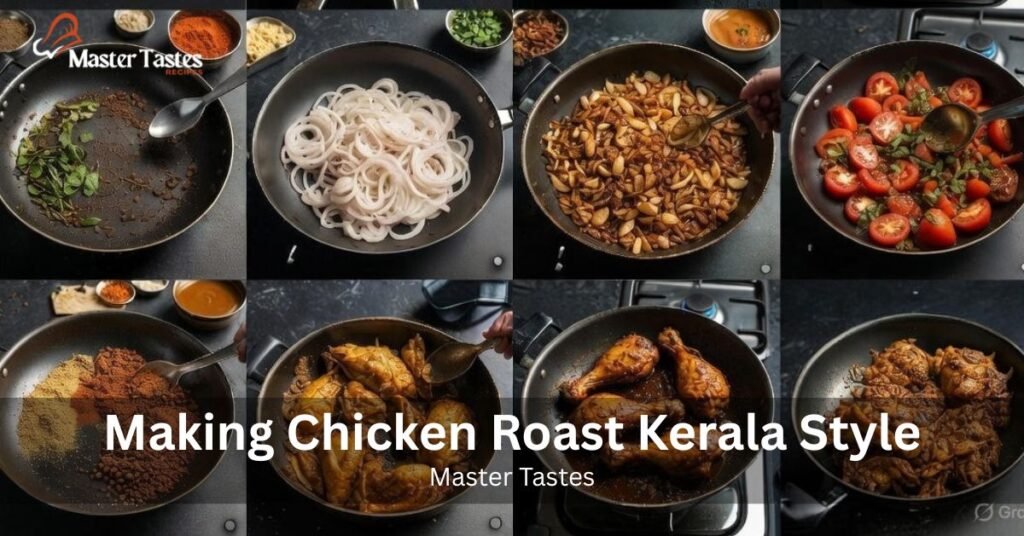
How to Make
- Clean the chicken pieces well and pat them dry with a towel.
- Mix turmeric powder red chili powder salt lemon juice half the ginger and half the garlic in a bowl.
- Add the chicken to this mix rub it in and let it sit for thirty minutes or so.
- Heat coconut oil in a wide pan over medium flame.
- Toss in the curry leaves and let them splutter for a few seconds.
- Throw in the sliced onions and keep stirring them over medium heat until they go nice and golden brown.
- Put in the remaining ginger garlic and slit green chilies stir for two minutes.
- Add sliced tomatoes and cook until they soften and mash up.
- Sprinkle coriander powder fennel powder garam masala and black pepper powder mix everything.
- Now add the marinated chicken pieces to the pan along with whatever marinade is left in the bowl.
- Stir to coat the chicken with the masala and cover the pan.
- Cook on low flame for fifteen to twenty minutes stirring now and then until chicken is tender.
- Remove the lid increase the heat a bit and roast until the gravy dries up and chicken gets a nice coating.
- Turn off the stove and give it five minutes to rest before you serve.
Tips
- Marinate the chicken longer if you have time maybe an hour or overnight in the fridge for deeper flavors.
- Use fresh curry leaves they make a big difference in the smell and taste some people skip them but I wouldnt.
- If the dish gets too dry while roasting add a splash of water but not too much you want it semi dry.
- Serve hot with steamed rice or Kerala porotta it pairs well with a side of yogurt to cool the spice.
- Adjust green chilies based on how hot you want it I usually go mild for kids.
- Leftover chicken roast tastes even better the next day just reheat in a pan with a little oil.
- Try bone in pieces for more juice boneless works if youre in a hurry but the flavor isnt the same.
History of Chicken Roast Kerala Style
This dish comes originally from Kerala a state in southern India along the Malabar Coast. Today its commonly eaten in Kerala homes and restaurants and also popular among Malayali communities around the world like in the Middle East or the US where people moved for work. Kerala food has always mixed local spices with ideas from traders who came long ago.
Origin of Chicken Roast Kerala Style
Back in ancient times Kerala was known as the spice garden of India trading black pepper cardamom and other goods with places like Rome and Arabia as early as 3000 BCE. Chicken roast or nadan chicken ularthiyathu as locals call it likely started in rural Kerala kitchens where folks used what grew around them. The word ularthiyathu means slow roasted in Malayalam the language there. It probably came from simple ways to cook meat without wasting anything using fire pits or clay stoves. Influences from Arab traders who brought ideas of dry roasting meats mixed with native coconut and pepper.
By the medieval period when Portuguese arrived in the 1500s they added chilies from the New World which spiced it up more. Christian communities in Kerala especially Saint Thomas Christians who trace back to early apostles played a role in making non veg dishes common since they ate meat unlike some Hindu groups. You can imagine the smoky aroma from wood fires in old thatched homes where families gathered to eat this after a days work in paddy fields.
Traditional Ingredients and Methods
In the old days people used fresh chicken from backyard coops not store bought. Key items were black pepper for heat turmeric for color and health coconut oil for cooking and curry leaves for that fresh pop. Ginger garlic and onions formed the base sauteed slow to build flavor. No fancy powders everything ground fresh on stone. The method was straightforward marinate with spices cook covered to let juices flow then roast dry on low heat stirring with a wooden spoon. This way the chicken absorbed all the tastes getting tender inside with a crispy outside.
Sometimes they added coconut slivers for texture. Cooking happened over wood or charcoal fires which gave a unique smoky taste you dont get on gas stoves now. Families passed recipes mouth to mouth each adding a twist like more fennel for sweetness. It was everyday food but also for special days like after church on Sundays. The texture was key not too saucy but coated in masala with a bit of oil shining through.
Variations in Spices Over Time
As trade grew folks tried new spices like cloves or cinnamon in small amounts but kept pepper dominant. In some homes they used vinegar from toddy for tang instead of lemon.
Regional Variations
Kerala isnt uniform the north Malabar area has a version with more coconut milk making it creamier while central Travancore keeps it drier and spicier. In coastal spots like Kochi they might add seafood flavors but for chicken its basic. Syrian Christians in Kottayam do a roast with potatoes mixed in for bulk. Up in Wayanad hills tribal groups use wild herbs or bamboo shoots in their take giving an earthy twist. Muslim communities in Thalassery blend it with biryani spices for a fusion feel.
Each place adjusts based on whats local like more green chilies in humid areas for freshness. I think the variations show how adaptable the dish is fitting different tastes yet staying true to Kerala roots. Sometimes in cities now they grill it instead of pan roast for a modern touch but traditional is always pan based.
Differences in Coastal vs Inland Versions
Coastal ones often have a fishy hint from shared pots while inland add more veggies like carrots for color.
Cultural Significance
Chicken roast ties into Keralas festivals and daily life. During Christmas in Christian homes its a staple alongside appam the soft pancake. For Easter too after fasting periods. In Muslim families it might appear during Eid feasts adapted without alcohol pairings. Hindus who eat non veg make it for Onam but milder. Its linked to toddy shops or kallu shappu where men gather for drinks and spicy bites the roast cuts through the sweet toddy taste. Weddings in Kerala often feature it in non veg spreads showing hospitality.
The dish represents community sharing big pots cooked for groups. Sensory wise the sizzle of curry leaves and pepper smell signals homecoming for many. It reflects Keralas matrilineal past where women led kitchens passing secrets to daughters. Even today in diaspora events like church picnics it brings nostalgia. Some say it boosts health with spices like turmeric fighting colds in rainy seasons.
Role in Family Gatherings
Families use it for birthdays or when relatives visit cooking together strengthens bonds with laughs over chopping onions.
How It Spread and Modern Use
With migration in the 1970s many Malayalis went to Gulf countries taking recipes along. There chicken roast became popular in worker camps adapted with available ingredients like using olive oil sometimes. Back home tourism boomed in the 1990s so resorts serve it to visitors wanting authentic tastes. Now in cities like Bangalore or Mumbai Kerala cafes offer it drawing office crowds for lunch. Modern twists include oven baking for less oil or adding cheese for kids but purists stick to pan. Social media helped spread with videos showing steps reaching global audiences.
In the US or UK diaspora tweak it for supermarkets using pre cut chicken. It evolved from rural staple to urban favorite. You know sometimes I make it with veggies for a lighter version. The spread shows Keralas influence through people not just trade.
Adaptations in Global Kitchens
Abroad they pair it with bread instead of rice or add soy sauce for fusion but the core spices remain.
Influences from Trade and Migration
Keralas position on trade routes brought Arabs Portuguese Dutch and British each leaving marks. Arabs introduced dry roasting techniques similar to their kebabs. Portuguese chilies changed the heat level from just pepper. Migration to Southeast Asia brought back ideas like using lemongrass in some versions. Jewish communities in Kochi added subtle flavors before leaving post independence. The British tea estates in hills influenced by adding potatoes. All these layered over native Dravidian cooking styles. Today with globalization frozen masalas make it quicker but lose some freshness. Still the dish endures symbolizing resilience.
Impact of Colonial Eras
During British rule non veg gained in Christian areas as missions encouraged it differing from vegetarian norms elsewhere.
Health and Nutritional Aspects in Tradition
Traditionally spices were chosen for benefits pepper for digestion turmeric for healing. Chicken provided protein in rice heavy diets. Coconut oil was seen as energizing for laborers. Folks ate it balanced with veggies avoiding excess. In rainy Kerala it warmed bodies. Modern nutrition sees it as high in antioxidants but watch the oil. Some now use air fryers for healthier takes.
Modern Health Twists
People reduce salt or use skinless chicken to cut fat while keeping taste.
Preservation of Recipes Through Generations
Recipes live through oral traditions grandmas teaching grandkids over stoves. Cookbooks in Malayalam from the 1900s documented versions. Now apps and blogs preserve them. Families have secret tweaks like extra garlic. This keeps the dish alive evolving slightly each time.
Digital Age Preservation
YouTube channels show old methods helping young ones far from home recreate it. Thats pretty much it I guess. It always turns out a bit different each time depending on the spices you have on hand.
How is Kerala chicken roast different from chicken curry?
This roast is dry or almost dry with the masala clinging to the chicken pieces after you roast it slow. Curry has more liquid and usually coconut milk to make it runny.
Does boneless chicken work okay in Kerala roast?
Yeah it does and it gets ready faster. Still bone in tastes better and stays softer inside so thats what most folks use.
Do you have to put coconut in Kerala chicken roast?
No not really. Some folks add little coconut bits or milk to make it tastier but many old recipes just go with spices onions and tomatoes.
How much time should I give for marinating?
About half hour is fine but if you wait one hour or keep it in fridge all night the chicken picks up way more flavor.
What do people eat with this chicken roast?
Appam or porotta tastes great with it or just chapati and rice. Little curd or some pickle on side makes the spice feel good.
Is Kerala chicken roast too hot to eat?
It has good spice from chili and pepper. But you can make it less hot just put fewer chilies thats all.
Can I make it one day before eating?
Yes go ahead. Next day it tastes even nicer after everything mixes well and you only heat it little bit.
What oil should I use for proper taste?
Coconut oil gives that real Kerala feel and smell. If you use other oil its okay but taste changes some.
How to keep the leftover roast?
Put in a box with lid and keep in fridge two three days. When heating add drop of water if its dry.
Can we add potatoes in the roast?
Sure many people put potatoes in their home version. It makes the dish fuller and potatoes take in the masala good.
Follow our social media Accounts for updates: