
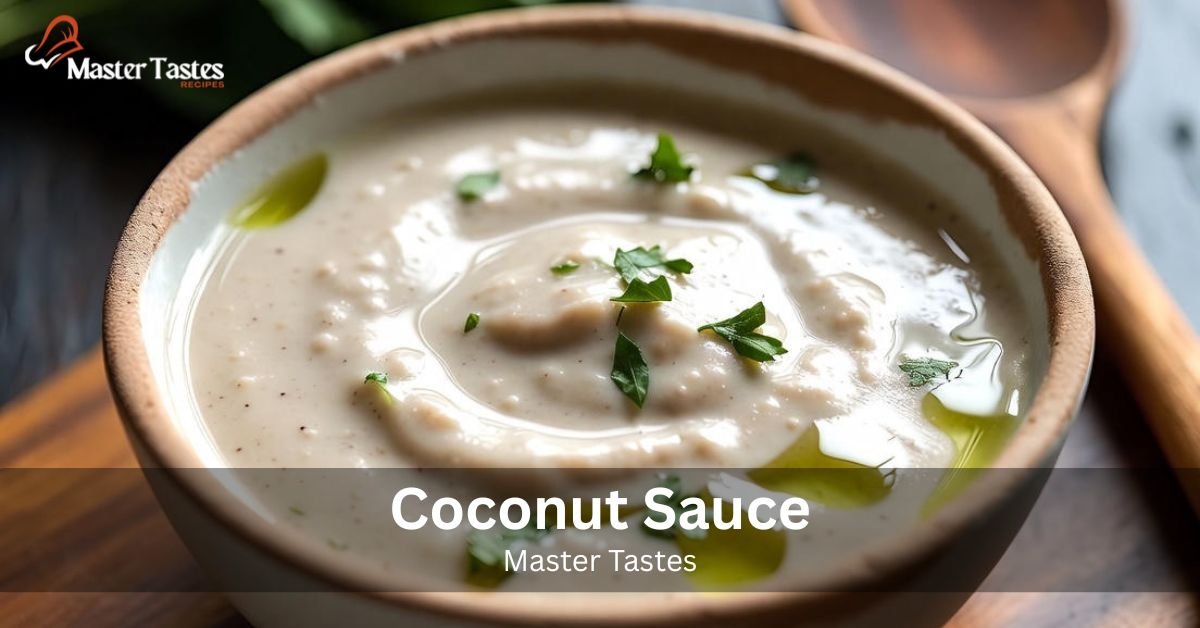
Coconut sauce brings a smooth creamy flavor to lots of dishes. You make it mainly from coconut milk with some garlic ginger and lime for a bit of zing. People often pour it over grilled chicken rice or vegetables. It works well in quick weeknight meals or when you want something tropical tasting. This recipe keeps things basic so anyone can try it at home. Start with fresh ingredients if you can though canned coconut milk does the job just fine. Adjust the spice level to what you like maybe add a chili or two for heat.
The sauce comes together in about fifteen minutes on the stove. Stir it often to keep it from splitting. Once done it has this rich nutty taste with a hint of sweetness. Serve it warm right away. You might find yourself making it often because it’s so versatile. Some folks use it as a dip too. That’s how easy and handy this coconut sauce can be.
Ingredients
| Ingredient | For 0.5 kg | For 1 kg | For 2 kg |
|---|---|---|---|
| Coconut milk (full fat) | 400 ml | 800 ml | 1600 ml |
| Vegetable stock | 100 ml | 200 ml | 400 ml |
| Garlic cloves minced | 1 clove | 2 cloves | 4 cloves |
| Fresh ginger grated | 0.5 inch piece | 1 inch piece | 2 inch piece |
| Lime juice fresh | 1 tablespoon | 2 tablespoons | 4 tablespoons |
| Fish sauce or soy sauce | 0.5 tablespoon | 1 tablespoon | 2 tablespoons |
| Brown sugar | 0.5 teaspoon | 1 teaspoon | 2 teaspoons |
| Vegetable oil for sauteing | 0.5 tablespoon | 1 tablespoon | 2 tablespoons |
| Salt | To taste | To taste | To taste |
| Optional red chili finely chopped | 0.5 chili | 1 chili | 2 chilis |
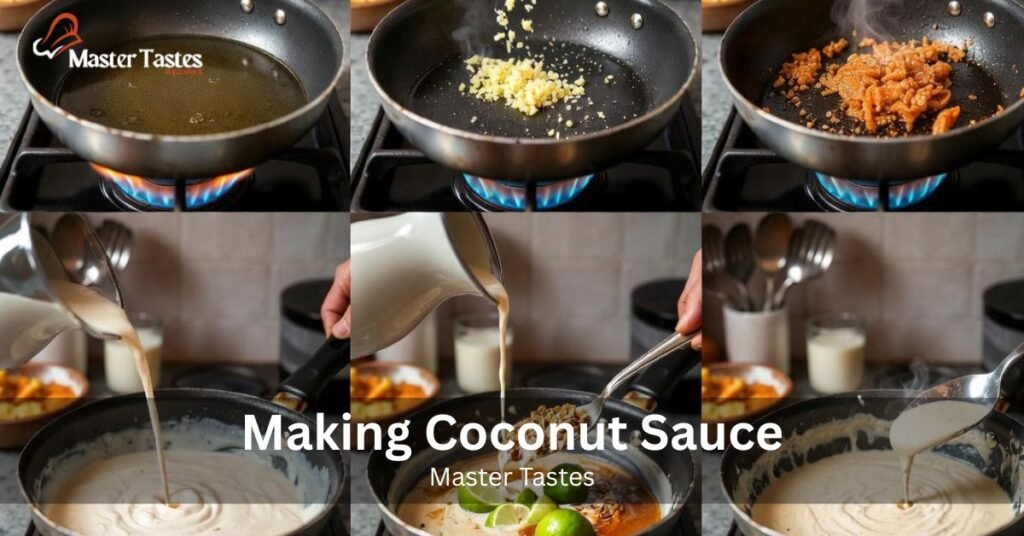
How to Make
- Heat the oil in a pan over medium flame.
- Add minced garlic and grated ginger then saute for one to two minutes until fragrant.
- Pour in the coconut milk and vegetable stock.
- Stir in the lime juice fish sauce brown sugar and salt.
- Bring the mix to a gentle simmer.
- Cook for five to ten minutes stirring now and then until it thickens a little.
- Taste it and add extra salt or lime if you think it needs it.
- Take it off the stove and let it sit for a minute to cool down a bit before serving.
Tips
- Shake the coconut milk can well before opening sometimes the cream separates.
- If the sauce gets too thick just add a splash of water or more stock.
- You can make it ahead and store in the fridge for up to three days reheat gently.
- For a vegan version stick with soy sauce instead of fish sauce.
- Pair it with steamed rice and fresh herbs like cilantro for extra freshness.
- Watch the heat low and slow keeps the coconut from curdling.
- Some people add a bit of cornstarch slurry if they want it thicker I usually skip that step.
- Serve over grilled fish or tofu it soaks in nicely.
History of Coconut Sauce
This dish comes originally from Southeast Asia especially places like Thailand and Indonesia where coconuts grow everywhere. Today people eat it commonly in many tropical spots around the world and even in western kitchens as fusion food.
Origin of Coconut Sauce
Coconut sauce started in the warm coastal areas of Southeast Asia way back maybe thousands of years ago. Folks there had plenty of coconuts from palm trees that thrive in sandy soil and salty air. Early cooks figured out how to grate the white flesh inside the nut and squeeze it with water to get milky liquid. They mixed this with local spices and herbs to flavor their meals. Think about ancient fishermen coming home with fresh catch needing something quick to go with it. Coconut sauce became that go to addition creamy and full of natural sweetness.
Over time as people traded goods along sea routes this way of cooking spread a bit but stayed mostly local at first. The sauce carried the scent of the tropics nutty and fresh like a breeze off the ocean. You know how smells can take you back that’s what this does reminding of simple village life. Back then no fancy tools just hands and fire. It evolved from basic survival food to something families shared daily.
Traditional Ingredients and Methods
In old times coconut sauce used fresh coconut milk made by hand. People cracked open mature coconuts grated the meat and soaked it in warm water then squeezed through cloth to get the thick cream. They added garlic ginger and lemongrass from their gardens for aroma. Sometimes wild lime leaves or galangal root went in for that sharp tang. Cooking happened over open flames in clay pots stirring with wooden spoons to blend flavors slowly. The heat was kept low so the milk wouldn’t split into oil and water. Salt came from sea evaporation or fermented fish paste for umami kick.
No measurements really just by feel and taste passed down through generations. Moms taught kids by showing not writing. The result was a velvety sauce with layers of taste sweet from coconut spicy from roots and sour from citrus. Steam rising carried hints of earth and sea. This method kept nutrients in and made the dish hearty for hot climates. Folks ate it fresh same day because no fridges back then.
Role in Southeast Asian Cuisine
Coconut sauce plays a big part in everyday meals across Southeast Asia. In Thailand it’s the base for curries like massaman or green mixing with pastes of chili and shallots. Indonesians use it in rendang slow cooked with beef until thick and dark. Vietnamese add it to sweet treats topping sticky rice or puddings. It’s like the glue that holds flavors together creamy and mild balancing hot spices. Kitchens smell of it bubbling away a comfort sound like rain on leaves. Families gather around tables with rice and veggies dipped in the sauce chatting about the day.
Street vendors scoop it over grilled meats drawing crowds with the aroma. In Malaysia it’s in laksa noodle soups rich and filling. The sauce adapts to what’s available fish in coastal areas tofu inland. It makes simple ingredients shine turning a basic meal into something special. You might see it at markets steaming in big pots ready for take away. That’s how it fits into daily life practical and tasty.
Cultural Significance in Daily Life
Beyond food coconut sauce ties into how people live in Southeast Asia. Coconuts are called the tree of life providing everything from roofs to fuel so the sauce honors that gift. In homes it’s a sign of hospitality offered to guests first thing. Kids learn to make it young building family bonds. Women often handle the grating and squeezing a rhythmic task done while singing or talking. The sauce appears in healing remedies too mixed with herbs for upset stomachs or skin soothers. Its creaminess stands for abundance in lean times.
Markets buzz with sellers haggling over fresh nuts key to good sauce. In villages harvest times celebrate with big pots of it shared among neighbors. The taste brings comfort like a warm hug after work. Even in cities folks crave it for that home feel. It connects past and present a thread in cultural fabric. Sensory wise the smooth texture soothes while flavors wake the palate. That’s its quiet role in shaping days.
Use in Festivals and Rituals
During festivals coconut sauce shows up in special ways. In Thailand Songkran water festival includes dishes with it for cooling relief. Indonesian Eid feasts feature it in opor ayam chicken stew symbolizing unity. Vietnamese Tet holiday sweets use the sweet version for luck and prosperity. Rituals often start with breaking a coconut its milk poured out as offering to gods. Then the flesh goes into sauce for communal meals. Temples serve it during ceremonies the aroma mingling with incense. In Bali offerings include small bowls of sauce for spirits.
Harvest festivals in rural areas cook huge batches over fires dancing around. The sauce’s white color means purity in many beliefs. Families prepare it together laughing and sharing stories. It marks passages like weddings or births added to feast tables. The sound of stirring pots mixes with music and chants. Even in modern times these traditions hold bringing people close. That’s how it weaves into joyful moments.
Modern Twists on Festival Uses
Today some add new spins like coconut sauce in fusion desserts at urban festivals. Think ice cream topped with it or mixed into cocktails. Still keeps the core meaning though.
Regional Variations in Asia
Across Asia coconut sauce changes with local tastes. In South India it’s in chutneys ground with chilies and tamarind tangy and spicy for idlis. Sri Lankan versions add cinnamon and cloves for warmth in fish curries. Filipino ginataan mixes it with fruits and tubers for sweet savory stews. Japanese influenced areas might lighten it with miso. In Burma it’s fermented a bit for deeper flavor in salads. Each spot uses what’s nearby pandan leaves in Malaysia for grassy notes or curry leaves in Kerala for earthiness.
Textures vary too some thin for dipping others thick like gravy. Colors shift with additions turmeric yellow or beet red. The smell differs chili heavy in one place herb focused in another. People adapt based on seasons using young coconuts for fresher milk in summer. This variety shows creativity within traditions. You can taste the region’s story in each bite from coastal zests to inland spices. It unites yet diversifies Asian plates.
Variations in Island Nations
On islands like the Philippines sauce often includes seafood bits for briny depth. Indonesian islands spice it hotter with more peppers.
Spread to Other Regions
As people moved coconut sauce traveled too. Traders took it to Africa blending with peanuts in sauces like mafé. In the Caribbean slaves from India brought recipes mixing with local yams and peppers for callaloo. Europeans in colonies learned it adding to their roasts. Now in America it’s in vegan bowls or taco drizzles. Migration waves after wars spread it to Europe in Thai restaurants. Aussies mix it with barbie meats. The nut itself floated oceans naturally helping the sauce follow. Books and TV shows share recipes globally.
Online folks tweak it with avocado or cheese. The creamy base stays the same but accents change Italian herbs maybe. Smells now fill kitchens worldwide a tropical whisper in cold places. This spread shows food’s power to connect cultures. From boats to planes it hopped borders evolving yet keeping roots. That’s the journey simple yet far reaching.
Influence in African Cuisines
In West Africa it merged with groundnuts for nutty sauces over greens. East Africa adds tomatoes for acidity.
Modern Adaptations
These days coconut sauce gets new looks. Health folks use low fat versions or add superfoods like turmeric. Chefs fuse it with Mexican moles or Italian pestos. Canned milk makes it easy for busy cooks. Vegan trends boost it as dairy swap in mac and cheese. Bottled varieties line store shelves flavored with mango or garlic. Home cooks experiment on social media sharing twists. In fine dining it’s foams or gels fancy presentations.
Yet backyard grills still simmer traditional pots. The taste adapts to diets gluten free or keto. Aromas now include coffee or chocolate in desserts. It fits fast life microwave ready. But some stick to old ways valuing the slow stir. This mix keeps it alive relevant and fun. You know it always turns out a bit different each time depending on mood. That’s pretty much it I guess for how it changed.
Health Focused Changes
Now with wellness in mind people blend in greens or nuts for extra boost. Keeps the core creamy feel though.
Health Aspects and Evolution
Over years views on coconut sauce shifted with science. Once seen as fatty now praised for medium chain triglycerides good for energy. In tropics it provided hydration and electrolytes naturally. Traditional eaters knew it aided digestion with its fiber. Modern studies link it to heart health in moderation. Evolution came with processing fresh to canned preserving nutrients longer. Organic farms grow coconuts without chemicals. Recipes lighten up with broth instead of full cream. Sensory wise the satin texture pleases without heaviness. Flavors balance meals adding satisfaction.
In diets it’s versatile low carb options. Cultural evolution ties it to sustainability fair trade nuts. People appreciate its plant based roots more now. The sauce’s story reflects broader food trends from ancient staple to global superfood. Tasting it connects to that history a bite of time. Simple yet profound in its staying power.
Future Trends
Looking ahead maybe lab grown coconut milk or eco friendly packs. Still the handmade charm endures.
FAQ’s
How do you thicken coconut sauce?
I mix a teaspoon cornstarch with cold water and pour it in the pot. Stir on low heat for a minute and it thickens up nice. My aunt uses tapioca when she wants.
What can I substitute for fish sauce in coconut sauce?
I put soy sauce most times. Or coconut aminos and a bit more lime with salt to get the taste right.
Does coconut sauce curdle easily?
It can if heat is too much but low flame and stirring keeps it good. Full fat can milk doesnt split for me.
How long does homemade coconut sauce last in the fridge?
Three four days if I cover it tight. Heat slow and stir when I use again.
Can I make coconut sauce vegan?
Yes just no fish sauce. Soy sauce or more salt does it. Rest is okay.
What proteins go well with coconut sauce?
Shrimp or fish I like. Tofu fine or chicken bits.
How can I make coconut sauce spicier?
I add chopped chili early. Or flakes little by little and taste.
Is coconut sauce good for meal prep?
Yes I cook extra and eat few days. Good with rice veggies.
Can I freeze coconut sauce?
Freezes for month or two. Thaw fridge and mix well.
What sides pair best with coconut sauce dishes?
Rice or noodles simple. Veggies or cucumber side.
Follow our social media Accounts for updates:


2 thoughts on “Coconut Sauce”