
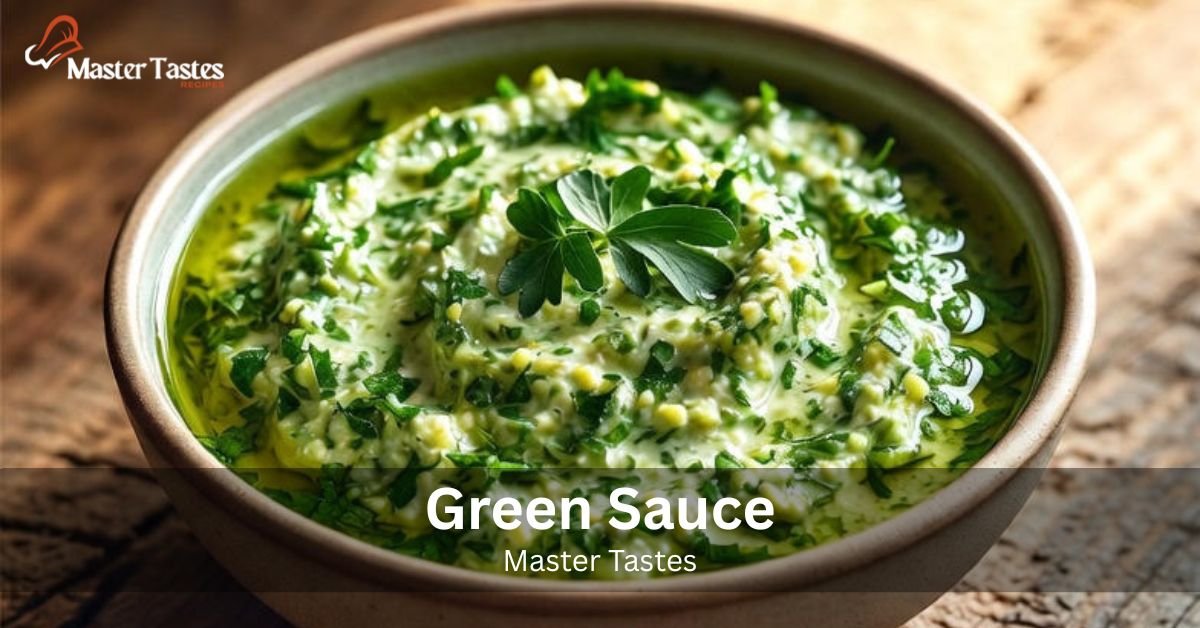
Green Sauce
Green sauce is a fresh herb mix that brings a bright tangy flavor to meals. You make it with a bunch of herbs chopped up and blended into a creamy base. It pairs well with boiled potatoes and hard boiled eggs for a simple spring dish. This recipe focuses on the classic version from Frankfurt where its known as Grüne Soße. Its cold and refreshing with a bit of sharpness from vinegar and mustard. People love it because its easy to put together and uses whats growing in the garden. If youre looking for something light and herby this is a good one to try.
You can serve it as a dip or over meat too but traditionally its with veggies. The herbs give it that vibrant green color and a smell thats like fresh cut grass mixed with lemon. It takes about twenty minutes once you have everything ready. Some folks add more yogurt for creaminess others keep it simple. Thats what makes it fun you can tweak it a bit each time.
Ingredients
| Ingredients | 0.5 kg | 1 kg | 2 kg |
|---|---|---|---|
| Fresh parsley | 25 grams | 50 grams | 100 grams |
| Fresh chives | 25 grams | 50 grams | 100 grams |
| Fresh chervil | 25 grams | 50 grams | 100 grams |
| Fresh garden cress | 25 grams | 50 grams | 100 grams |
| Fresh sorrel | 25 grams | 50 grams | 100 grams |
| Fresh salad burnet | 25 grams | 50 grams | 100 grams |
| Fresh borage | 25 grams | 50 grams | 100 grams |
| Sour cream | 150 grams | 300 grams | 600 grams |
| Plain yogurt | 100 grams | 200 grams | 400 grams |
| Hard boiled eggs | 3 | 6 | 12 |
| Vegetable oil | 2 tablespoons | 4 tablespoons | 8 tablespoons |
| White vinegar | 1 tablespoon | 2 tablespoons | 4 tablespoons |
| Mustard | 1 teaspoon | 2 teaspoons | 4 teaspoons |
| Salt | To taste | To taste | To taste |
| Pepper | To taste | To taste | To taste |

How to Make
- Start by boiling the eggs in water for ten minutes then cool them in ice water peel and set aside.
- Wash all the herbs under cold water pat them dry with a towel.
- Chop the herbs finely you want small pieces so the sauce isnt chunky.
- Chop the peeled eggs into small bits too.
- In a bowl mix the sour cream yogurt oil vinegar mustard salt and pepper until smooth.
- Add the chopped herbs and eggs to the bowl.
- Stir everything together gently so it combines well.
- Give it a taste and add a bit more salt or vinegar if you think it needs it.
- Let it sit in the fridge for thirty minutes to let flavors mix.
- Serve cold with boiled potatoes or bread.
Tips
- Pick herbs that are bright and fresh wilted ones make the sauce taste flat.
- If you cant find all seven herbs swap sorrel with a bit more parsley and lemon juice it wont be exact but close.
- Boil potatoes with skins on then peel after they cool keeps them firm.
- Serve this on a warm day it cools you down with that herby zing.
- Leftovers keep in the fridge for two days stir before using.
- Some people mash the eggs finer for smoother texture I usually leave a few chunks for bite.
- Add a splash of water if its too thick after chilling.
- Try it with fish sometimes the tang cuts through richness well.
- Chop herbs just before mixing keeps the color bright.
History of Green Sauce
This green sauce comes originally from the Frankfurt area in Germany. Thats where it started and its still most popular in the Hesse region today. People there eat it a lot in spring and summer with local meals.
Origin of Green Sauce
Folks argue about where green sauce really began. Some say it came from way back with the Romans over two thousand years ago. They think soldiers brought herb mixes from the East through Italy up to Germany. Others point to French Huguenots who fled to the area in the sixteen hundreds bringing their own green herb sauces. That fits because similar sauces show up in old French and Italian cooking. The first written recipe pops up in eighteen sixty in a German cookbook but people probably made it at home long before that.
In Frankfurt it became a thing with local herbs growing along the Main River. You can imagine cooks picking fresh greens in spring mixing them into something cool and tangy for hot days. It smells sharp like lemon and earth when you chop the leaves. No one knows the exact start but its tied to migrants and trade routes you know how food travels with people. Families adjusted what they had turning it into a local favorite over generations.
Traditional Ingredients and Methods
The classic mix uses seven specific herbs parsley chives chervil garden cress sorrel salad burnet and borage. Each adds its own kick parsley is mild sorrel tangy borage like cucumber. You chop them fine by hand no blenders back then. Hard boiled eggs get diced in for creaminess and bite. Sour cream or quark yogurt oil vinegar mustard salt pepper tie it all. Mix in a bowl let it sit. Its always served cold never cooked. Families passed down their ways some chop coarser for texture others finer like paste.
The smell fills the kitchen herby and fresh with a sour note from vinegar. Taste is bright green sharp but smooth from dairy. They made it in spring when herbs sprout after winter. Simple tools just knife and bowl thats it. The eggs add a soft richness that balances the bite from herbs.
Regional Variations
In Frankfurt its strict with the seven herbs but up north in Kassel they might skip borage or burnet use more cress. The chop is rougher there sauce chunkier. Across Europe its like Italian salsa verde with capers anchovies no dairy. French sauce verte is lighter maybe with tarragon. In Germany outside Hesse you see mixes with mayo instead of sour cream for easier making. Some add garlic or lemon for extra zip. Textures vary from creamy to oily tastes shift from tangy to mild.
You notice the difference when eating the Frankfurt one is balanced herby others might be sharper or richer. Its fun trying versions each place has its twist based on whats local. The core stays fresh herbs but the feel changes a bit.
Variations in Neighboring Countries
Over in France they call it sauce verte often with shallots no eggs more oil based. Italy salsa verde has pine nuts sometimes bread soaked in vinegar. These are cousins to the German one but adapted to local pantries. In Spain theres a green mojo with cilantro garlic thats spicier. Each keeps the green herb core but changes with available stuff. The feel is similar cool fresh but flavors wander. Some are thinner for drizzling others thick for spreading.
Cultural Significance
Green sauce ties to spring in Frankfurt especially Maundy Thursday called Green Thursday. No meat that day so its with eggs potatoes perfect for Lent. Goethe the writer loved it said to be his moms recipe though thats a story. Theres a festival now with sauce contests people dress up celebrate the herbs. Its a sign of local pride herbs must come from certain fields for real deal. Families gather to make it sharing secrets.
The taste brings back memories of picnics tangy creamy on warm spuds. Smell of chopped herbs means seasons changing. In customs its for weddings or Easter too symbol of fresh starts. You feel connected to the land when eating it all local greens. It brings people together simple food but full of meaning.
Role in Festivals and Customs
They have a Green Sauce Festival in Frankfurt every May with tastings music. People vote on best recipes. Its like a community thing kids learn to pick herbs. In homes its for special occasions or just Thursday dinners. Ties to farming heritage celebrating the harvest. Everyone has their family way slight differences but same spirit.
How It Spread and Modern Use
It didnt go far at first stayed in Hesse because herbs are local hard to get elsewhere. With trains and trade in nineteen hundreds it showed up in other German cities restaurants. Now you find it in bottles but fresh is better. Modern twists use vegan yogurt no eggs for plant eaters. Some add avocado for cream or spinach if herbs scarce. In fancy spots they pair with fish or steak not just potatoes. Spread through cookbooks and TV shows people try it at home.
Today its in Europe spots with German influence. The flavor adapts well maybe with less sour more sweet in some places. You see it evolving but core stays herby green. Home cooks experiment keeping it alive.
Modern Adaptations in Cooking
Chefs mix it into salads or as dip for veggies. Vegan versions swap dairy with cashew cream tastes similar creamy. Some freeze herbs to make year round. In fusion food it tops tacos or burgers adding zing. Keeps the tradition alive but fits new diets. You can thin it for dressing or keep thick for spreading.
Influence on German Cuisine
Green sauce shaped how Germans use herbs in cold dishes. It inspired other sauces like yogurt dips with dill or mustard. In Hesse its a staple like apple wine. Cooks learn it early emphasizes fresh local. The texture creamy yet chunky influenced mayo based salads. Smell of it in markets draws people reminds of home cooking. Over time it became a symbol of simple healthy eating no fancy stuff just greens and dairy. You find echoes in beer garden menus light sides. It encourages using whats in season.
Impact on Everyday Meals
In homes its quick for weeknights boil potatoes pour sauce done. Kids like the color green fun. For gatherings big batches everyone helps chop. Keeps family bonds through food. Sometimes its the side that makes the meal special.
Preservation and Protection
They protected it with rules herbs from Frankfurt area at least seventy percent local for official label. Helps farmers grow the seven types. Groups teach planting to keep tradition. Monuments in town honor it. Efforts stop fake versions keep authentic. Taste stays true tangy fresh.Farmers markets sell bundles ready to go.
Stories and Myths Around Green Sauce
Lots of tales like Goethes mom inventing it but probably not. Another says Italian traders brought it in medieval times. Some think name from Green Thursday. Myths add charm make it fun to talk about over dinner. The sauce crackles with stories each bite. People share them passing down more than just recipe.
Famous People and Green Sauce
Goethe wrote about loving it ate it often. Modern folks in Germany mention it in interviews ties to roots. Adds personality to the dish you know.
Green Sauce in Literature and Art
Shows up in books about Frankfurt life described as vibrant tasty. Paintings of markets have herb bundles. Songs praise it local bands. In art its symbol of the city green and lively. Reading about it you smell the herbs through words. It captures everyday joy.
Future of Green Sauce
With climate changes herbs might shift but farmers adapt. More people try it recipes spread. Could go global like pesto. Keeps evolving but stays true. New generations add their touch.
FAQ’s
What are the seven herbs in traditional Frankfurt green sauce?
The classic version uses exactly seven herbs parsley chives chervil garden cress sorrel salad burnet and borage. Each one brings something different like tang from sorrel or a cucumber note from borage. That is what gives the sauce its balanced fresh taste.
What can I serve with green sauce?
Most people pair it with boiled potatoes and hard boiled eggs that is the simple traditional way. It also goes well with boiled beef like tafelspitz or grilled fish. Sometimes folks use it on schnitzel or just as a dip with bread.
Can I make green sauce if I cannot find all the herbs?
Yes you can swap some out. For borage try a bit of cucumber or spinach. Sorrel adds tang so use extra lemon juice if missing. Chervil is mild like parsley so double up on that. It will not be exact but still tastes good and herby.
Is Frankfurt green sauce the same as salsa verde?
No they are different. Italian salsa verde has oil vinegar capers anchovies sometimes no dairy. The Frankfurt one is creamy with sour cream yogurt and eggs always cold and smoother. Both use herbs but the German version feels richer.
Why is it called green sauce and eaten in spring?
The name comes from the bright green color of fresh chopped herbs. In Hesse it is big in spring when those herbs first grow. Folks eat it a lot around Easter especially on Maundy Thursday sometimes called Green Thursday.
How long does homemade green sauce keep in the fridge?
It stays fresh for two to three days covered in the fridge. Stir it before using because it might separate a bit. The color can darken slightly but the flavor holds up fine.
Can I make a vegan version of green sauce?
Sure swap the sour cream and yogurt for plant based versions and skip the eggs or use tofu for creaminess. Add a bit more oil or lemon to keep it tangy. It works well and keeps that herby feel.
What is the difference between Frankfurt and Kassel green sauce?
In Frankfurt it is finer often blended with all seven herbs. Up in Kassel around northern Hesse they chop coarser use fewer herbs sometimes. The Frankfurt one tends to be brighter and creamier.
Does green sauce have eggs in it always?
Most traditional recipes mix in chopped hard boiled eggs for texture and richness. Some skip them or just serve eggs on the side. It depends on the family way but eggs are common.
Where did Frankfurt green sauce come from?
People think it might go back to old herb mixes from France or Italy brought by migrants centuries ago. It became a Hesse thing especially Frankfurt with local herbs. No one knows for sure but it has been around a long time.

4 thoughts on “Green Sauce”