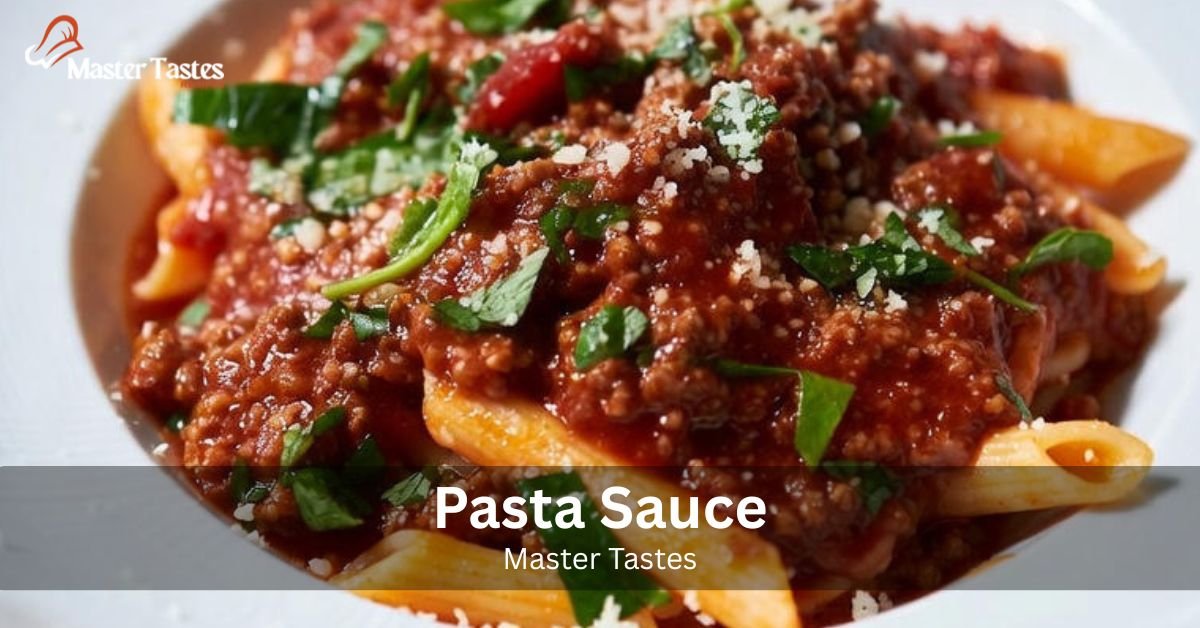
Pasta Sauce

Pasta Sauce by Mastertastes

Pasta Sauce is a fast way to make pasta taste good. You can cook it at home with fresh things and it is ready quick on the stove. Most people use tomatoes because they give that nice tangy taste we all like. Add some garlic onion and herbs and you have sauce for spaghetti fettuccine or even to dip bread in. It is great for normal week days or when friends come over. I like to put extra veggies in to make it more filling. This recipe is a simple tomato one you can change with what you have. It is yummy with cheese on top or in baked dishes. When you make it yourself you choose how much salt and spice you want. A big batch stays good in the fridge few days. It is easy fun and tastes way better than jar sauce. The kitchen smells so good when it cooks you know.

Ingredients

IngredientFor 0.5 kg tomatoesFor 1 kg tomatoesFor 2 kg tomatoes
Tomatoes (fresh or canned, chopped)0.5 kg1 kg2 kg
Onion (finely chopped)1 small1 medium2 medium
Garlic cloves (minced)236
Olive oil1 tablespoon2 tablespoons4 tablespoons
Fresh basil leaves (chopped)5 to 610 to 1220 to 24
Dried oregano0.5 teaspoon1 teaspoon2 teaspoons
Salt0.5 teaspoon1 teaspoon2 teaspoons
Black pepper (ground)0.25 teaspoon0.5 teaspoon1 teaspoon
Carrot (finely chopped, optional for sweetness)0.5 small1 small2 small
Celery stalk (finely chopped, optional)0.512
Red pepper flakes (optional for heat)Pinch0.25 teaspoon0.5 teaspoon
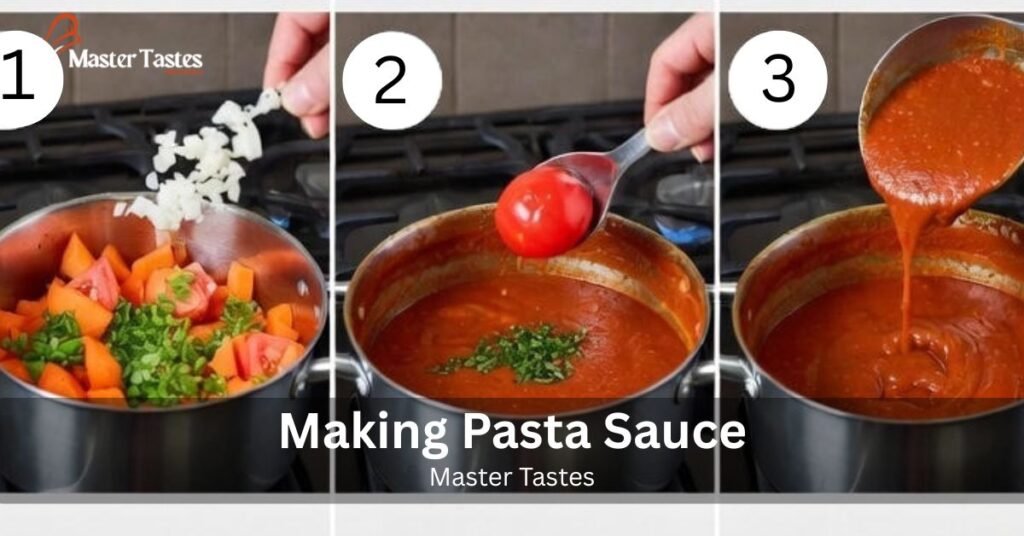
Making Pasta Sauce by Mastertastes

How to Make

  • Warm some olive oil in a big pot on medium flame.
  • Add chopped onion and saute until soft about five minutes.
  • Add the chopped garlic and let it cook about a minute till it smells amazing.
  • Toss in the chopped carrot and celery if you have them and cook for three minutes until they start to get soft.
  • Pour in chopped tomatoes with their juice.
  • Sprinkle oregano salt pepper and red pepper flakes if you want some spice.
  • Let it come to a soft bubble then turn the heat down low.
  • Simmer uncovered for twenty to thirty minutes stirring now and then.
  • Taste and adjust seasoning as needed.
  • Remove from heat and stir in chopped basil.
  • Blend with an immersion blender if you prefer smooth texture or leave chunky.
  • Let cool a bit before serving over pasta.

Tips

  • Peel tomatoes first by blanching them in hot water for easier chopping some people skip this but it makes the sauce smoother.
  • Use fresh herbs at the end to keep their flavor bright dried ones work fine earlier in cooking.
  • Simmer longer for thicker sauce maybe up to an hour if you have time it deepens the taste.
  • Store leftovers in airtight jars in the fridge for up to four days or freeze portions for later.
  • Pair with grated parmesan on top for extra richness or add cooked meat for a heartier version.
  • Start with less salt and add more later since tomatoes can vary in flavor.
  • I usually make a double batch because it reheats well for quick meals.
  • Serve hot over al dente pasta and toss right away so the sauce sticks better.

History of Pasta Sauce

Pasta sauce like we love it started in Italy as basic toppings for pasta. You find it most famous in the south around Naples and Sicily where people first went big on tomatoes. These days everyone eats it everywhere from quiet dinners in Europe to busy spots in America and way beyond. The whole thing really comes down to how food moves around with people and shifts a little along the way.

Origin of Pasta Sauce

Early forms showed up in ancient Rome around the first century. Cooks used garum a fermented fish sauce mixed with herbs spices and olive oil to flavor basic pasta shapes. This gave a salty umami taste that set the base for later ideas. By the Middle Ages around the 13th century recipes mentioned butter and cheese as common toppings in Italian books. These were simple and used what was local like pecorino from sheep milk. Tomatoes changed everything when they arrived from the Americas in the 1500s via Spanish ships. At first Italians thought they were toxic and grew them as pretty plants not food.

It took until the late 1700s for people in southern Italy to try them in cooking. The first written tomato sauce recipe appeared in a Naples cookbook in 1790 using tomatoes garlic and basil. This shift happened because of hunger times when cheap tomatoes helped feed the poor. From there it grew into a daily staple. Sensory wise imagine the sharp garlic smell mixing with sweet tomato steam rising from pots in narrow streets.

Traditional Ingredients and Methods

Classic pasta sauce relies on fresh basic items that highlight natural flavors. Tomatoes form the heart especially San Marzano types from volcanic soil near Naples known for low seeds and sweet taste. Garlic onion and olive oil start the base often with a soffritto of carrot and celery chopped fine and cooked slow in oil until soft. Herbs like basil oregano and parsley add aroma with basil stirred in last to keep its green freshness. Methods focus on simmering gently in heavy pots for thirty minutes to an hour letting acids mellow and flavors blend.

In old ways cooks crushed tomatoes by hand or used wooden spoons to stir avoiding metal that could react. For meat versions like ragu ground beef or pork simmers long with wine and milk to tenderize. No rushing here the slow cook brings out deep earthy notes. You can smell the transformation from raw sharpness to warm richness. Some families pass down tricks like adding a splash of pasta water at the end for better coating. This approach keeps things simple yet full of depth like talking over a meal with friends.

Cheese Based Traditions

Before tomatoes cheese sauces ruled in central Italy. Pecorino or parmesan grated fine mixed with butter or egg for creamy texture. Carbonara uses eggs pecorino guanciale pork and pepper beaten together off heat to avoid scrambling. The method needs quick hands to emulsify into silkiness.

Herb and Oil Simplicity

In Liguria pesto pounds basil pine nuts garlic cheese and oil in a mortar. This raw method preserves bright green color and nutty crunch without cooking just tossed with hot pasta.

Regional Variations

Italy’s regions shape sauce styles based on land and weather. South like Campania and Sicily leans on tomatoes olive oil garlic and herbs for light fresh sauces. Marinara from Naples uses quick simmers with oregano for tangy punch perfect over spaghetti. North in Emilia Romagna ragu Bolognese cooks slow with minced meats tomato paste wine and milk for thick hearty coating on wide noodles like tagliatelle. Central areas around Rome favor guanciale pork egg and cheese in carbonara or amatriciana adding chili for spice. Sicily mixes in eggplant capers or anchovies for puttanesca drawing from sea and fields.

Variations come from what’s grown nearby warmer south has more veggies while cooler north adds dairy and meat. Each place guards its way like Bologna registered official ragu in 1982 to keep it authentic. Taste differs too southern bright and acidic northern rich and comforting. Sometimes borders blur as cooks borrow ideas but roots stay strong.

Northern Meat Focus

In Lombardy or Piedmont sauces often include veal or sausage simmered with cream and mushrooms for earthy depth suited to cold winters.

Southern Sea Influences

Calabria adds spicy nduja sausage or seafood to tomato bases reflecting coastal life with briny notes.

Cultural Significance

Pasta sauce ties into Italian life like family gatherings and festivals. In Naples it started as quick food for sailors hence marinara linking to sea culture. Families simmer big pots on Sundays sharing stories while stirring a ritual passed down generations. During holidays like Christmas Eve in south Italy tomato sauce with seafood honors no meat tradition smelling of ocean and herbs. It shows resilience too in tough times poor folks in 1800s Naples ate pasta with simple sauce as main meal. Art and books capture this Boccaccio wrote of cheese topped pasta in 1300s tales.

Today it represents comfort and identity Italians abroad keep recipes to feel home. Festivals celebrate it like Sagra del Pomodoro in tomato towns with tastings and dances. Sensory side the sizzle of garlic or bubble of simmer evokes warmth. You know it brings people together over plates no fancy needed just good talk and seconds.

Festival Ties

In summer villages hold sauce contests judging best family recipes under lights with music fostering community pride.

Family Bonds

Grandmothers teach kids to stir avoiding lumps a quiet way to share history and love through food.

How it Spread and Modern Use

Pasta sauce spread with Italian migrants in the late 1800s and early 1900s to America Australia and beyond. In the US immigrants adapted with more meat and garlic creating Sunday gravy simmered all day with meatballs and sausage. This version became popular in New York and beyond influencing global tastes. Trade helped too as canned tomatoes exported made it easy worldwide. Modern use mixes traditions with new twists like adding miso for umami or veggies for health. Quick versions cut simmer time but keep core flavors. In Asia some blend with soy or chili for fusion.

Restaurants worldwide serve it from street carts in Italy to fine dining. Home cooks experiment maybe with gluten free pasta or plant based meats. It evolved from elite treat to everyday food now in jars at stores but homemade still beats it. The smell of simmering sauce anywhere feels familiar a bridge from past to now. Thats pretty much it I guess it always turns out a bit different each time depending on the tomatoes.

FAQ’s

How long should I cook homemade pasta sauce?

Cook it twenty minutes at least so everything tastes good together. Want it thick and yummy? Leave it on low forty to sixty minutes. Stir here and there so it does not burn.

Can I make pasta sauce without fresh tomatoes?

Yes canned ones are awesome. Take whole or crushed tomatoes in juice not paste. Super easy and tasty any season.

How do I stop my pasta sauce from being too sour?

Put in one small grated carrot while it cooks. Carrot makes it sweet and fixes the sour taste. Little sugar works too.

Is it okay to freeze homemade pasta sauce?

Yes totally. Cool it down then put in bags or jars. Good for three months. Take out night before and heat on stove.

What herbs are best in tomato pasta sauce?

Fresh basil at the end is magic. Oregano and little parsley at start give real Italian taste. Dried is fine when no fresh.

How do I make pasta sauce thick fast?

Smash some with spoon or blend half and mix back. One spoon tomato paste early makes it thick quick.

Can I put meat in this sauce?

Yes. Fry mince or sausage first then add tomatoes. Cook longer and it tastes so good.

Why my sauce taste boring?

Add more salt or cook longer. Keep tasting. Garlic and herbs need time to come alive.

How much sauce for one person?

Half cup to three quarter cup is enough. I always make extra because everyone wants more.

Can I make sauce one day before?

Yes it tastes even better next day. Keep in fridge four days. Warm slow before putting on pasta.

Follow our social media Accounts for updates:

4 thoughts on “Pasta Sauce

Leave a Reply

Your email address will not be published. Required fields are marked *