Hot Sauce
Hot sauce gives that little kick you sometimes need with food. This recipe lets you make it at home using fresh stuff so the taste fits exactly what you like. You begin with chili peppers because they bring the heat and then you add vinegar and salt plus a bit of garlic for extra flavor. Everything stays simple and you can decide how spicy you want it. Mild or super hot this sauce goes great on tacos fried eggs or even plain popcorn. When you make it yourself there are no weird preservatives just clean honest taste. All you do is chop cook a little and blend so you can finish in one afternoon. You get a sauce that feels tangy and bright and you can use it right away or keep it for weeks. Homemade always wins over the bottles from the store in my opinion. It makes basic food taste way better.
Ingredients
| Ingredient | 0.5 kg Peppers | 1 kg Peppers | 2 kg Peppers |
|---|---|---|---|
| Fresh chili peppers | 0.5 kg | 1 kg | 2 kg |
| White vinegar | 250 ml | 500 ml | 1 liter |
| Salt | 1 tbsp | 2 tbsp | 4 tbsp |
| Garlic cloves | 2 | 4 | 8 |
| Onion | 1 small | 1 medium | 2 medium |
| Water | 100 ml | 200 ml | 400 ml |
| Sugar (optional) | 1 tsp | 2 tsp | 4 tsp |
How to Make
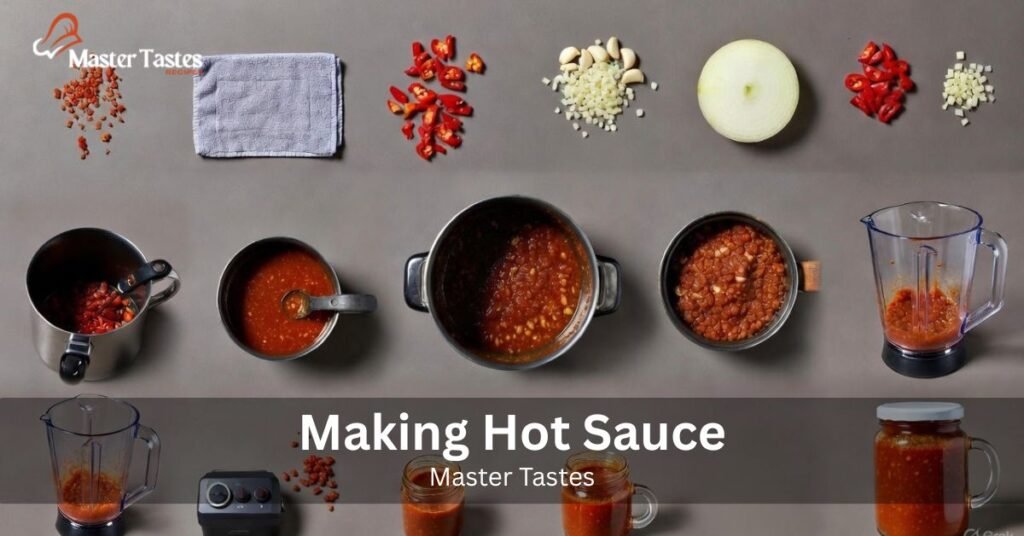
- Run the chili peppers under cold water and dry them with a clean towel
- Cut off the stems and chop the peppers into rough pieces leave the seeds in if you want more heat
- Peel the garlic cloves and dice the onion small
- Throw the peppers garlic onion water and salt into a pot
- Turn the heat to medium bring it to a boil then drop it down and let it simmer ten to fifteen minutes until everything softens
- Pull the pot off the stove and give it a few minutes to cool
- Dump the whole thing into a blender and pour in the vinegar
- Blend it smooth you may have to work in batches when you make a big amount
- Give it a taste and stir in a little sugar if the vinegar feels too sharp
- Push the sauce through a fine sieve to catch the bits if you like it silky
- Pour it into clean bottles or jars and cap them tight
- Leave the bottles on the counter for one day so the flavor settles then move them to the fridge
Tips
- Wear gloves when chopping peppers to avoid burning your skin later it happens more than you think.
- If you want a fermented version mash the peppers with salt first and let them sit in a jar for a week before blending that adds a deeper tangy note.
- Adjust the vinegar amount if the sauce seems too thick sometimes I add a splash more for pourability.
- Serve it with grilled meats or stir into soups for an instant flavor boost.
- It keeps in the fridge for up to two months but shake well before using as it might separate.
- For milder heat remove some seeds beforehand or mix in milder peppers like bells.
- Cook in a well ventilated kitchen because the fumes can be strong and make your eyes water.
History of Hot Sauce
Hot sauce comes originally from Mexico where chili peppers were first domesticated. Today its commonly eaten around the world especially in places like the United States Mexico and parts of Asia where spicy foods are a staple. People use it daily on everything from street food to home cooking. The story goes back thousands of years tied to ancient cultures that valued the peppers bite.
Origin of Hot Sauce
Chili peppers started in Mexico around six thousand years before common era. Indigenous groups like the Aztecs and Mayans grew them in gardens along the Gulf Coast and highlands. They didnt just eat them fresh they crushed peppers with water or vinegar to make early sauces. These mixes preserved the harvest and added zip to bland staples like corn tortillas. Archaeological finds show pepper seeds in old pots from Tehuacan Valley dating back far. The heat from capsaicin the compound in peppers made food exciting and helped with digestion in hot climates.
Back then sauces were simple maybe just peppers salt and herbs ground on stone. Spanish explorers in the fifteen hundreds tasted these and noted how locals couldnt eat without the fiery addition. It was part of daily life not a luxury. The smell of roasting peppers over fires must have filled villages drawing people together for meals. This origin set the stage for what we know now a sauce born from necessity and flavor.
Traditional Ingredients and Methods
In early Mexico traditional hot sauce used wild or cultivated chilies like serranos or habaneros for that sharp burn. Vinegar came later but originally they fermented peppers in clay jars with salt letting natural bacteria create tang over days or weeks. Garlic onions and tomatoes often joined in pounded together with a molcajete a stone mortar that released oils for better taste. Cooking was minimal sometimes just a quick boil to soften everything before mashing. The texture was chunky not smooth like todays bottled versions and it had a fresh vibrant red or green color depending on the peppers ripeness.
Methods passed down orally from elders to kids during family gatherings. You can imagine the steam rising from pots the spicy aroma mixing with earth and smoke. Some added fruits like mango for sweetness balancing the heat. These basics havent changed much in rural areas where people still make small batches at home. The focus was on local fresh items no fancy equipment needed just hands and time.
Fermentation in Tradition
Fermenting was key in old methods burying jars in the ground to control temperature. This gave a probiotic boost and complex flavors like sour notes under the spice. It lasted longer without spoiling important before fridges.
Regional Variations
Hot sauce changes by area reflecting local tastes and available peppers. In Mexico salsas vary from the smoky chipotle based ones in central regions to fresh green tomatillo mixes in the north. Yucatan adds habaneros with citrus for a bright punch. Moving to Louisiana in the US Tabasco sauce ferments tabasco peppers in oak barrels for years creating a vinegary thin liquid thats iconic. Texas favors thicker chunkier versions with jalapenos and cumin for barbecue.
In Southeast Asia like Thailand Sriracha blends garlic sugar and chilies into a sweet hot paste used on noodles. African peri peri sauce uses birds eye chilies with lemon for tang grilled on meats. Each spot tweaks the base the heat level or add ins like herbs. You know the way a sauce drips or clings can define a meal. These differences show how adaptable the concept is fitting into diverse kitchens. Sometimes variations come from migrants bringing recipes and adjusting to new ingredients.
Caribbean Twists
In islands like Jamaica scotch bonnet peppers star in fiery jerk sauces mixed with allspice and thyme. The tropical fruits add sweetness cutting the intense heat that makes your tongue tingle.
Asian Adaptations
Over in Korea gochujang ferments chilies with rice and soybeans for a thick umami rich paste not quite liquid sauce but close. Its spread on bibimbap bringing depth beyond just spice.
Cultural Significance
Hot sauce holds a spot in rituals and daily life especially in Mexico. During Day of the Dead families offer spicy sauces on altars believing the heat wakes spirits. In Aztec times peppers symbolized strength warriors ate them before battles for courage. Festivals like chili harvest celebrations involve sauce making contests where communities share recipes and stories. It ties to hospitality too a good host always has homemade sauce on the table welcoming guests with warmth and flavor. The shared burn creates bonds laughing over too spicy bites.
In modern times it appears in art and music think murals of pepper fields or songs about fiery love. Sensory wise the crunch of fresh peppers the sizzle in pans and that lingering warmth after eating make it memorable. Some cultures use it medicinally for colds or aches capsaicin easing pain. Its more than food its a cultural thread connecting generations. You might find elders teaching kids the family twist on a recipe keeping traditions alive.
Role in Festivals
At Mexican fiestas sauces flow freely drizzled on tamales or elotes. The colors red green black from different chilies decorate tables like edible art sparking conversations about whos is hottest.
Symbolic Meanings
Peppers represent vitality in many indigenous beliefs their fire like lifes energy. Offering sauce in ceremonies honors ancestors a simple act with deep roots.
How it Spread and Modern Use
Hot sauce spread through exploration and trade starting with Columbus bringing peppers to Europe in fourteen ninety two. From there sailors carried seeds to Asia and Africa where locals created their own versions. Colonization played a role Spanish introducing chilies to the Philippines leading to adobo sauces. In the nineteen hundreds bottling made it commercial like Frank’s RedHot in the US used for buffalo wings. Migration waves brought recipes to new lands immigrants opening shops selling familiar heats.
Today its global found in supermarkets everywhere from mild to extreme. Modern twists include gourmet infusions like truffle or fruit flavors appealing to foodies. Health trends highlight capsaicins benefits for metabolism so people add it to diets. You see it in fast food chains or craft breweries mixing into beers. The evolution from ancient mash to shelf stable bottles shows adaptability. Social media shares recipes videos of people trying ghost pepper sauces for fun. It unites diverse eaters one drop at a time.
Commercial Boom
In the twentieth century companies like McIlhenny started Tabasco exporting worldwide. Factories scaled up fermentation turning home craft into industry while keeping traditional essence.
Global Fusion Today
Now fusion sauces blend cultures like Korean Mexican kimchi salsas. Chefs experiment in restaurants creating unique heats for dishes drawing crowds eager for new tastes.
Health and Trends
People turn to hot sauce for natural spice avoiding salt. Studies show it aids weight loss so dieters splash it on salads. Vegan versions skip animal products broadening appeal. Hot sauce has come far from those early Mexican fields. Its journey mirrors human movement mixing flavors across borders. In kitchens today it remains a simple way to amp up meals whether sticking to classics or trying bold new combos. The beauty is in its versatility anyone can make it their own. Thats part of the fun you know. It always turns out tasty though even if not perfect.
FAQ’s
How long does homemade hot sauce last in the fridge?
Two or three months easy. Clean bottle lid tight vinegar keeps it good.
Can I make hot sauce without cooking the peppers?
Yes mate. Fresh peppers straight in blender with vinegar garlic salt. Leave jar few days. Raw tastes sharp and fresh.
Why is my homemade hot sauce separating?
Normal thing. Fresh sauce does that. Shake bottle hard and it fixes itself.
How do I make hot sauce less spicy after blending?
Add more vinegar or one tomato or carrot blend again. Heat goes down taste stays nice.
Can I use dried chilies instead of fresh ones?
Sure. Soak dried ones in hot water twenty minutes then use same water. Taste gets even bigger.
Is it safe to can homemade hot sauce for shelf storage?
Yes safe if lots of vinegar and proper hot water bath. I just put mine in fridge because lazy.
How can I make fermented hot sauce at home?
Chop peppers add two percent salt by weight stuff tight in jar leave on table one to four weeks wait for bubbles then add vinegar and blend.
What peppers are best for beginners making hot sauce?
Jalapeno or fresno. Nice heat not crazy easy to find. Cayenne also good start.
My hot sauce turned brown is it bad?
No problem. Some peppers go brown after blend especially with seeds. Still tastes perfect.
Can I freeze homemade hot sauce?
Yes pour in ice cube tray freeze then bag the cubes. Take one cube when you want quick heat.

3 thoughts on “Hot Sauce”